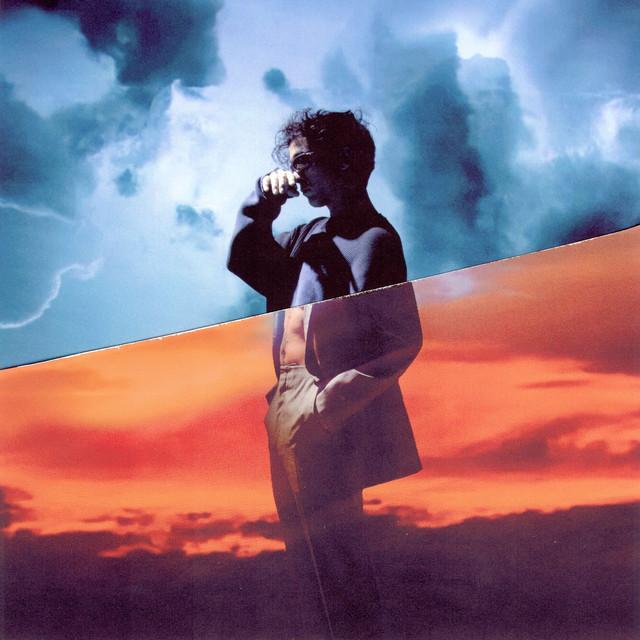
SESSO OCCASIONALE by Tananai
What happens when a party fling collides with a wish for something real? Tananai’s “SESSO OCCASIONALE” is a pop confessional that laughs, winces, and doubles back on itself—all in the space of three minutes. For U.S. listeners new to him, this track shows how Italian pop can be both glossy and emotionally messy at once.
"SESSO OCCASIONALE" - Tananai
Ok va bene che sono distratto, nemmeno tu sei perfetta
E quanto ti ho aspettata ma tu no, no
Loading lyrics...
Unable to load lyrics
We're unable to display the lyrics at this time. Please try again later.
A fling that wants to be a home
At its core, the meaning of SESSO OCCASIONALE Tananai is the tension between casual sex and the desire for commitment. The narrator chases connection but admits to chaos. They brag about heat—trentotto gradi in corpo
—yet their mind is lost at sea, la testa in alto mare
.
The chorus flips the script. Instead of celebrating hookups, it pleads to stop circling back to them and to build something stable.
E la testa in alto mare
Troviamoci una casa
E non finiamoci più
Nel sesso occasionale
Interpretation: the “home” is both literal and symbolic. It suggests safety and routine, the opposite of the confusion that follows all-night parties and jealous fights.

Watch the official SESSO OCCASIONALE
music video
Who’s talking, and who’s targeted
The song is in first person, a messy narrator addressing a partner. They confess to being forgetful and distracted, then deflect with humor. Lines like quell’altra non mi è mai piaciuta
sound like damage control after a flirtation in a club. It’s a classic “It meant nothing” defense.
Then comes the most alarming image: metti via quella pistola
. Interpretation: this reads as exaggeration—a cartoonish metaphor for jealousy, not a literal weapon. The point is emotional volatility. Their love story swings from club banter to high-stakes drama in seconds.
The mini-plot, beat by beat
- The night starts with chaos: the narrator can’t even find the car, proof of a scatterbrained, maybe tipsy state.
- At the club, they watch their partner dance with someone else, and jealousy flares. They posture, then bail early because they are “tired,” a passive-aggressive exit.
- Arguments explode and settle. The narrator promises change, then immediately makes excuses.
- The chorus returns to the same wish: find a home, not another hookup. Yet they admit they still won’t fully understand what the partner needs “in a year, a day.”
Interpretation: the timeline loops, suggesting a relationship stuck in rinse-and-repeat—fight, flirt, retreat, regret.
Symbols that do the heavy lifting
- Lost car: A comic emblem of a life out of control. If you can’t remember where you parked, can you maintain a relationship?
- Fever heat:
trentotto gradi in corpo
frames desire as sickness and urgency. It’s passion that burns rather than warms. - The sea-head image:
la testa in alto mare
captures mental drift—beautiful but dangerous, like treading water too far from shore. - The “pistol”:
metti via quella pistola
signals the way petty jealousy gets dramatized. It’s theatrical, which fits the song’s playful tone. - The “other girl”:
quell’altra non mi è mai piaciuta
is a stock excuse that shows immaturity more than innocence.
All of these motifs sharpen the main contrast: casual thrills versus the stability of a shared home.
How the sound sells the story
The production is bright and bouncy—dance-pop with crisp drums, rubbery bass, and shiny synths. The tempo keeps the floor moving even as the lyrics admit confusion. That cheerful surface is the point: the song invites listeners to dance through the discomfort.
Tananai’s vocal delivery leans into imperfection. He slides between a talky, conversational tone and tuneful hooks, selling the narrator as charming and unreliable. Small hesitations and playful phrasing underline the comedy of errors. When the chorus hits, stacked vocals make the plea feel communal, as if friends are shouting advice over the beat.
Interpretation: the sonic polish plays against the narrator’s mess. It’s the sound of someone grinning through a hangover while promising to do better tomorrow.
What the chorus really asks for
The hook returns to the same word—sesso occasionale
—but not as a boast. It’s a trap they want to escape. The request to “find us a home” reframes desire as responsibility. Interpretation: the song argues that intimacy without clarity becomes noise, no matter how fun the night is.
Alternate reads and why they work
- Satire of modern dating: The exaggerations, the jealousy-as-theater, and the bright club beat suggest a wink at hookup culture. The narrator might be mocking their own melodrama.
- Earnest confession: The repeated apology and the wish for a home imply a real longing to grow up, even if they keep slipping.
Both readings fit because the song keeps tension alive—humor versus hurt, heat versus steadiness.
Takeaway for U.S. listeners
“SESSO OCCASIONALE” is a catchy Italian pop track that pairs a danceable surface with the hangups of a messy young love. The meaning of SESSO OCCASIONALE Tananai lands here: wanting commitment while still addicted to the chaos of the chase. It’s relatable, funny, and a little painful—exactly the kind of song that sticks.
Disclaimer: This article offers one interpretation based on publicly available lyrics and context; listeners may reasonably read the song differently.







