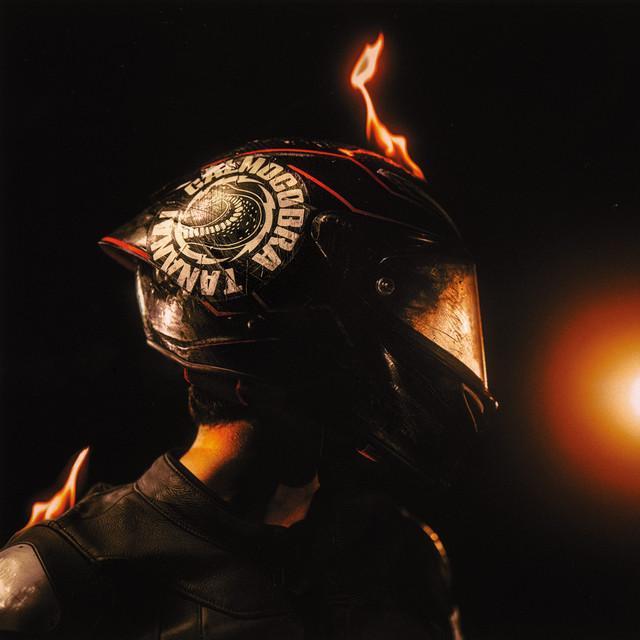
Why 'VANIGLIA' by Tananai Feels Sweet and Sad
The meaning of VANIGLIA Tananai comes through in its contrasts. The song sounds light at first, but its story is full of worry, delayed messages, hangover details, and the strange intimacy of caring for someone at their lowest. Tananai turns a messy relationship into something tender, funny, and a little bruised.
"VANIGLIA" - Tananai
Ti scriverei un biglietto con la biro
Vaniglia, due fragole e un mirtillo
Loading lyrics...
Unable to load lyrics
We're unable to display the lyrics at this time. Please try again later.
Italian singer-songwriter Tananai, the stage name of Alberto Cotta Ramusino, is known for pairing catchy pop writing with offbeat emotional detail, as noted in coverage around his rise in Italian pop and Sanremo appearances by RAI and Rockol. In "VANIGLIA," written by Alberto Cotta Ramusino, Andrea Bonomo, and Davide Simonetta, that mix is especially clear.
The Song's Real Center Is Care in the Middle of Chaos
At the heart of the song, they describe a relationship where affection does not look polished. Instead, it shows up in cluttered rooms, stomach aches, awkward jokes, and late replies. The sweetness of the title and opening imagery suggests comfort, but the verses quickly show that this comfort is fragile.
One reason the song feels so human is that it never turns pain into a grand speech. It stays close to little scenes: food, a radiator, crumbs in bed, clothes on the floor. These details make the emotion believable. Rather than saying "they are struggling," the song shows it.
Interpretation: the track is less about a perfect romance and more about surviving emotional instability together, even if that togetherness is imperfect and sometimes exhausting.
Small Images, Big Feelings
The opening uses everyday items to set the tone. A phrase like vaniglia
brings in softness and sweetness, while the shopping-list feel of the first lines makes the relationship seem ordinary. But that normality is quickly undercut by dark humor and emotional overload.
That pattern continues with the line about being beautiful but heavy, compared to serious art cinema. The point is not just that the couple is dramatic. It is that their love feels meaningful and burdensome at the same time. They are drawn to each other, yet weighed down by what they carry.
The image of flowers stored away and the odd plan to get a rabbit suggest a shared fantasy of becoming more stable. They talk as if domestic life might save them. But because these images are slightly absurd, the song hints that they know such fixes may not be enough.
The Rabbit and the Closet
Two motifs stand out:
- the hidden or cramped space of the closet or storage room
- the rabbit as a symbol of fake or hopeful responsibility
The first suggests emotional retreat. The second suggests a desire to "grow up" without fully knowing how. Together, they show two people acting like they can organize their lives while everything still feels unstable.
The Chorus Turns Observation Into Concern
The emotional peak comes when the song moves from surreal jokes to physical signs of distress. Tananai describes someone with occhi rossi
and voci in testa
, then places them in a room full of aftermath: drinking too much, sickness, and exhaustion.
This is where the meaning of VANIGLIA Tananai becomes clearest. The singer is not just remembering a wild night. They are watching someone suffer and asking if they are okay. The question stai meglio?
is simple, but it carries the whole song.
Triste, ma bello
È già passato l'inverno
Dimmi, stai meglio?
These lines summarize the track's emotional logic. Things are sad, yet still strangely beautiful. A hard season may have passed, but recovery is not guaranteed. The question remains open.
"Write Me" Is Not a Love Cliche Here
The repeated Scrivimi
matters because it sounds needy, but also resigned. They know the other person may not answer. They even admit the message might be read tomorrow, not now. That delay becomes part of the relationship's structure.
Instead of dramatic confrontation, the song shows emotional distance through communication habits. Someone reaches out. Someone disappears. Then both pretend the silence makes them even. That is painfully realistic.
Interpretation: the refrain may suggest that modern intimacy often survives through weak signals rather than clear conversations. A text message becomes proof that the connection is not completely dead.
How the Sound Supports the Lyrics
Though the lyric carries much of the story, the production style associated with Tananai and writer-producer Davide Simonetta often blends polished pop with a loose, conversational mood, a trait discussed in Italian music press like Billboard Italia and Rockol. That matters here.
"VANIGLIA" works because the music likely avoids making the pain feel too heavy-handed. A soft melodic flow and pop structure let the song hold irony and sadness at once. The vocal tone is key too: when Tananai sounds casual, the distress in the lyrics lands harder. He does not oversing the emotion; he lets the details do the work.
That contrast mirrors the writing itself. Sweet title, rough scenes. Catchy melody, uneasy content. This tension is what makes the song memorable.
A Few Strong Ways to Read the Song
There is more than one valid reading of "VANIGLIA":
- A relationship in burnout. Two people still care, but they are trapped in unhealthy routines.
- A portrait of anxiety and aftermath. The song may center one person's mental and physical crash, observed by someone who loves them.
- A modern love song about maintenance. Instead of passion, it focuses on cleanup, checking in, and waiting for replies.
All three fit because the lyrics never force one simple explanation.
Why the Song Sticks
What makes "VANIGLIA" special is its refusal to separate sweetness from damage. It understands that some relationships are held together not by big promises, but by tiny gestures, strange jokes, and one more message sent into the silence.
For listeners asking about the meaning of VANIGLIA Tananai, the best answer is this: it is a song about caring for someone when life looks messy, unromantic, and hard to fix. Its beauty comes from how honestly it stays there.
Disclaimer: This interpretation is based on the released lyrics, publicly available song credits, and Tananai's broader artistic style. As with any song, meanings can vary from listener to listener.








