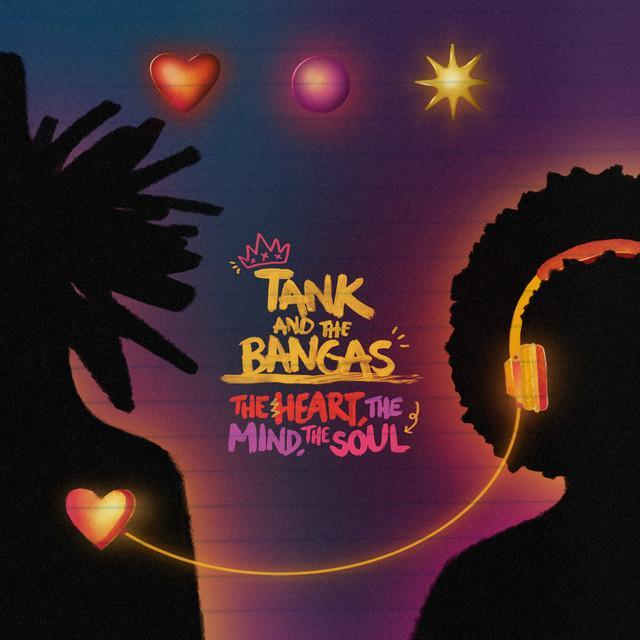
Open To Thyself by Tank and The Bangas
A poem that turns self-belief into shelter
The meaning of Open To Thyself Tank and The Bangas centers on self-trust. The song sounds like a pep talk, a prayer, and a love letter all at once. Instead of pushing confidence as pure willpower, it treats inner strength as something spiritual, inherited, and always available.
"Open To Thyself" - Tank and The Bangas
That you trust that you'll find the key
Even if it's hard to find you trust that it's in your possession that God gave it you
Loading lyrics...
Unable to load lyrics
We're unable to display the lyrics at this time. Please try again later.
That idea fits the group’s wider style. Tank and The Bangas are known for blending soul, jazz, hip-hop, and spoken word, and frontperson Tarriona “Tank” Ball has said poetry is her “first love” in an Under the Radar interview. That matters here, because this piece feels less like a standard verse-chorus pop song and more like a spoken meditation carried by music.
The heart of the message
At its core, the song tells a person to stay open to who they already are. It does not argue that they need to become someone new. Instead, it says the tools for survival, purpose, and return are already inside them.
Early lines make that plain. The speaker praises someone for opening all the doors
to themselves, then says they can trust they will find the key. In plain terms, the song frames self-knowledge as a process of discovery, not invention. The answer is hidden, maybe, but not absent.
The next major idea is home. When the lyric says you'll always make it home
, it is not talking only about a physical place. It redefines home as an inner condition tied to love, spirit, and identity. Even when life sends a person outward, they still carry home within them.
Who is speaking, and to whom?
One of the most moving things about the song is its shifting voice. Sometimes the speaker sounds like a friend. Sometimes like a parent. Sometimes like the self talking back to the self in a kinder tone.
That is why the repeated title phrase lands so strongly. Open to thyself
works as advice, but it also sounds like a ritual. It asks for honesty without shame.
Interpretation: the speaker may be addressing their younger self, present self, or anyone struggling with doubt. The broadness is part of the song’s power. It lets listeners step into the message personally.
How the verses build that meaning
The first verse is full of reassurance. It says a person is protected, guided, and worth more than applause. The warning against getting lost in performance is especially sharp. When the song mentions not getting lost in the page or stage glow, it pushes back on public validation.
That theme feels important for Tank and The Bangas, whose rise from the Tiny Desk Contest to Grammy recognition put them in bigger spotlights. The lyric does not reject art or ambition. It simply says fame cannot define the soul.
The middle section becomes more openly defiant. The speaker admits fear and low motivation, then answers it with memory, ancestry, and faith. The line about being a queen in the Serengeti turns self-worth into something regal and natural, not borrowed.
I got this
when my prayers have no words
I got this
and my knees don't feel like bending
This is the article’s clearest emotional pivot. The song does not deny exhaustion. It names it, then keeps moving. Even prayer can feel empty sometimes, yet the speaker insists endurance remains.
The chorus as unconditional love
The chorus is simple but crucial. It says love survives every phase, every mess, every stage of growth. When the speaker says I love you still
, they remove the usual conditions people place on healing.
That makes the chorus the song’s emotional center. The verses talk about purpose and struggle, but the refrain offers acceptance. A listener does not have to be polished before they deserve care.
Interpretation: this may be the deepest meaning of the song. Being open to oneself is not just self-examination. It is self-acceptance after disappointment, ambition, fear, and change.
Images of paradise, fame, and protection
The later images are vivid: parade, medallion, torch, ballerina, golden stage, sugar cane, rain. These pictures suggest a person who has imagined recognition but also sees its traps.
The phrase golden stage
shines in two directions. On one hand, it represents achievement. On the other, it hints at the danger of becoming trapped by image, spectacle, or what others want. The song’s “certain fame” feels less like a dream and more like something to escape.
Then there is paradise. The speaker says they have petitioned for paradise
, which makes peace sound earned, prayed for, and negotiated through pain. Paradise here is not luxury. It is inner freedom.
How the sound carries the poem
Because this piece comes from The Heart, The Mind, The Soul, a poetry-centered project that Ball described as one of her most personal works, the production supports the words rather than overpowering them. The arrangement feels spacious, giving the spoken rhythms room to breathe.
That restraint matters. Soft soul textures and gentle groove make the reassurance feel warm instead of preachy. The performance also keeps Tank’s voice front and center, where every pause and emphasis can land like spoken-word theater. The result is intimate. They are not just hearing a song; they are hearing someone think their way toward strength.
Why the song resonates
This song resonates because it speaks to common modern pressure: perform, succeed, stay motivated, stay visible. “Open To Thyself” answers with a different rule. Return inward. Trust what was given. Accept every phase.
For listeners, that makes the song both comforting and challenging. It comforts by offering protection. It challenges by asking for honesty.
Final takeaway
The meaning of Open To Thyself Tank and The Bangas is about coming back to the self with faith, mercy, and courage. It says identity is not something the world grants. It is something already alive, even in lonely moments.
That reading is an interpretation based on the lyrics, performance, and available artist context. Like all poetry-driven songs, its meaning can stay open to each listener.








