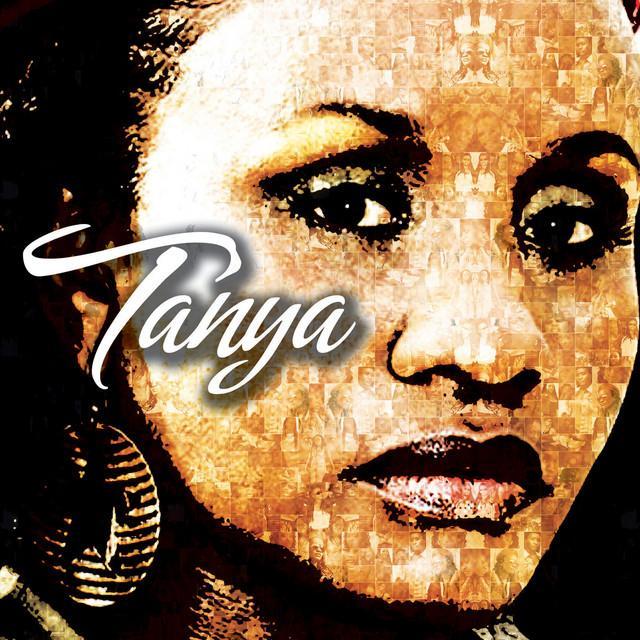
Why Tanya Stephens’ “Goggle” Still Bites
The meaning of Goggle Tanya Stephens starts with a simple idea: this is a dancehall song about calling bluff. Tanya Stephens takes aim at men who talk big about sex, masculinity, and control, then fall apart when tested. Instead of treating that failure as private, the song turns it into public comedy.
"Goggle" - Tanya Stephens
Some man say them a rider but them a slip saddle
An claim say them a dally but them a wiggle waggle
Loading lyrics...
Unable to load lyrics
We're unable to display the lyrics at this time. Please try again later.
Released in 1997, “Goggle” belongs to Stephens’ early breakout era, when she was becoming one of Jamaican dancehall’s sharpest voices. According to available discography summaries, the single appeared in that same period as other key late-1990s releases, and Stephens was already building a reputation for bold writing and hitmaking in reggae and dancehall. She is widely recognized as a Jamaican reggae singer and deejay whose career began in the 1990s, later expanding into more socially conscious material.
The Real Target of the Song
At its core, “Goggle” mocks male performance anxiety and false swagger. The chorus describes men who claim to be confident and experienced, yet cannot live up to that image. The phrase slip saddle
turns that failure into a visual joke: they say they can ride, but they cannot stay in control.
That makes the song less about sex itself and more about power. Stephens frames the woman as the one with clear vision, while the man becomes exposed by his own bragging. When the chorus says yea have the upper hand
, it spells out the real message. The woman does not need to comfort him, cover for him, or pretend he succeeded.

Watch the official Goggle
music video
How the Verses Build the Joke
Each verse raises the stakes by moving from private disappointment to public humiliation. First, Stephens describes a man who rushes in with hunger and ego, sure of himself. Then he fails. After that, she shows what happens next: shame, gossip, and loss of status.
A key line is him tail between him leg
. They use that image to compare the man to a beaten dog, embarrassed and stripped of authority. The point is not subtle. In dancehall, where masculine bravado often drives the performance, Stephens turns weakness into the story.
She also keeps returning to women speaking with other women. The chorus suggests they can laugh it off with friends instead of protecting a man’s reputation. That social angle matters. The song is not only one person’s complaint; it is a warning that empty boasting can be exposed in the community.
A Feminist Edge Inside a Dancehall Format
Interpretation: One strong reading is that “Goggle” works as a gender-power reversal. Dancehall in the 1990s often featured men rating women’s bodies and skills. Stephens flips that script and rates the man instead.
That reversal fits her larger artistic identity. Though some of her early material sat within typical dancehall themes, later commentary about her work often highlights her intelligence and willingness to challenge social norms. Over time, she became known for songs that tackled discrimination, objectification, and hypocrisy. Seen from that wider career arc, “Goggle” feels like an early sign of her instinct to challenge male-centered rules.
The song’s tone matters here. It is not solemn protest. It is ridicule. Stephens knows that laughter can cut deeper than anger, especially when the subject is male pride.
What the Hook Is Really Saying
The chorus is catchy because it sounds playful, but its advice is strategic. It tells women not to over-help a man who cannot deliver. The repeated warning around don’t help them out
turns refusal into power.
Just chat them wid yea fren gal
an giggle
That tiny moment sums up the song’s social force. The women do not need a big confrontation. Shared knowledge and laughter are enough.
Interpretation: The hook may also be read as anti-performance in a larger sense. It is about anyone who sells an image they cannot sustain. In that reading, the sexual setup is specific, but the song’s insult reaches farther.
Sound, Flow, and Why the Message Lands
“Goggle” works because the production leaves room for Stephens’ voice to do the heavy lifting. The track sits in a classic late-1990s dancehall lane: brisk rhythm, punchy repetition, and a hook built to stick after one listen. The genre itself thrives on wit, timing, and verbal attack, and Stephens uses all three.
Her delivery is teasing rather than tragic. She sounds amused, not wounded. That choice changes the song’s meaning. If she sounded heartbroken, the track would feel like complaint. Because she sounds entertained, it becomes judgment.
There is also a communal feel in the way the chorus repeats. It sounds built for call-and-response, almost like a crowd joining the mockery. That matters because the song’s threat is social embarrassment, not private sadness.
Why “Goggle” Endures
Part of the meaning of Goggle Tanya Stephens is timeless because bragging and underdelivering are timeless. The song still lands because it names a familiar mismatch between image and reality.
It also endures because Stephens was never just tossing out insults. She was shaping a persona: observant, fearless, funny, and unwilling to flatter men for comfort. That voice helped separate her from many peers and paved the way for the acclaimed work that followed later in her career.
Final Take on Tanya Stephens’ Message
“Goggle” is a comic takedown of male hype, but it is also a lesson in who gets to judge whom. Tanya Stephens gives women the last word, the better memory, and the stronger social position.
In that sense, the song is about more than one failed encounter. It is about confidence collapsing under truth.
Disclaimer: This article offers an interpretation of the song based on its lyrics, performance style, and Tanya Stephens’ broader career context. Meaning can vary from listener to listener.







