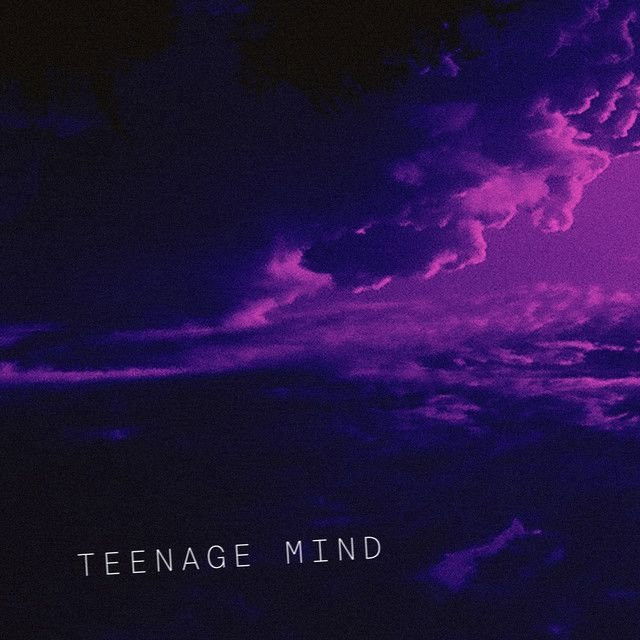
Teenage Mind by Tate McRae
Teen feelings swing hard and fast. Tate McRae’s “Teenage Mind” tries to catch that motion without shaming it. The track, written by McRae with Beau Laine Shiminsky, zooms in on group pressure, small betrayals, and the awkward pride of trying to be cool while falling apart. For readers searching the meaning of Teenage Mind Tate McRae, this guide breaks down how the lyrics, voice, and production all point to one idea: everyone is messy, and that’s normal.
"Teenage Mind" - Tate McRae
They attend every party, but it's taking them nowhere
Some think it's funny, say they don't even care
Loading lyrics...
Unable to load lyrics
We're unable to display the lyrics at this time. Please try again later.
Whiplash and Belonging: The Core Idea
At heart, the song is about the push-pull between fitting in and feeling lost. The hook describes quick flips from heartbreak to okay-ness, and the verses show how appearance, parties, and status feed the loop. McRae’s message lands as gentle solidarity. When she sings about a beautiful mess
, they frame teen chaos as universal, not a failure.

Watch the official Teenage Mind
music video
Who’s Talking, and to Whom?
The verses often read like an observer describing a hallway scene. Lines about trends and parties set the stage, as in Some girls get all done up
. But the chorus shifts to “we,” which brings the listener inside the circle. That switch matters: it turns commentary into community.
The quick asides—He called you back?
and Wait, wasn’t he mine?
—feel like texts between friends. They show how gossip and dating overlap create confusion, not villains. The narrator isn’t preaching; they’re admitting they’re in it, too.
The Story, in Simple Beats
- Verse 1 sketches pressure and comparison around looks and parties. People pretend not to care but still want to be included.
- Pre-chorus admits the group impulse to copy trends, then embraces the contradiction: everyone’s a
beautiful mess
. - Chorus flips moods fast, stressing how quickly feelings change and how mixed-up dating cues can be.
- Verse 2 mirrors verse 1 with boys and social roles, from troublemakers to laid‑back types.
- Bridge and outro accept that there’s no neat answer; the goal isn’t to solve the maze, but to see it clearly.
The Hook That Stings—and Comforts
One moment, we’re broken and then we’re fine
Lost in the puzzle of the teenage mind
Interpretation: The hook names the swing as part of being young. Calling it a puzzle of the teenage mind
suggests a picture that makes sense only later, when the pieces finally connect. It’s not a moral lesson; it’s perspective.
Symbols and Motifs, Decoded
- Beauty as armor: Makeup and parties hint at image as a shield. The point isn’t to mock it, but to show how effort to “fix” the outside rarely fixes the inside.
- The
beautiful mess
: This phrase reframes shame into shared humanity. It welcomes flaws. - Puzzle imagery: A “puzzle” signals that mixed signals (hellos without goodbyes, on‑off crushes) won’t always add up, yet they’re still part of the picture.
- Quick-fire dialogue: Short questions—
He called you back?
—mimic real group chat speed, where rumors travel faster than feelings can settle.
How The Sound Carries the Meaning
The arrangement stays intimate and light, often piano‑forward with restrained percussion. That choice keeps the spotlight on the words and McRae’s breathy phrasing. When the hook arrives, the dynamics lift slightly, mirroring the rush of feeling seen and overwhelmed at once. Interpretation: the uncluttered production reflects a diary entry—close, confessional, and more focused on truth than polish.
Context also matters. Released in 2018 on The One Day LP, an early project from a teenage McRae, the song fits her initial lane: clear melodies, emotional directness, and bedroom-pop intimacy. The minimal design makes the lyrics land like advice from a friend who refuses to judge.
Two Plausible Readings
- Interpretation 1: Social media commentary. The catalog of trends, parties, and couple talk points to feeds that never stop. The instability comes from living in comparison mode.
- Interpretation 2: A growing-up pledge. By naming the mood swings out loud, the song lowers the temperature. Acceptance becomes the first step toward self-knowledge.
Takeaway You Can Feel
The meaning of Teenage Mind Tate McRae isn’t that teens are dramatic—it’s that their world moves fast and keeps score in public. McRae flips that pressure into a bond: everyone is confused, so nobody has to pretend.
Disclaimer: Song meanings are interpretations based on lyrics, context, and public information. Your read may differ—and that’s part of the fun.









