What "I'll Always Love You" Really Promises
For anyone searching for the meaning of I'll Always Love You Taylor Dayne, the song is less complicated than many big pop ballads—and that is part of its power. It is a clear, open declaration of devotion. Rather than dwelling on heartbreak, doubt, or drama, Taylor Dayne’s hit presents love as a stabilizing force that makes life feel fuller, safer, and brighter.
"I'll Always Love You" - Taylor Dayne
You have won my heart and my soul with your sweet, sexy ways.
You gave me hope when I needed someone near.
Loading lyrics...
Unable to load lyrics
We're unable to display the lyrics at this time. Please try again later.
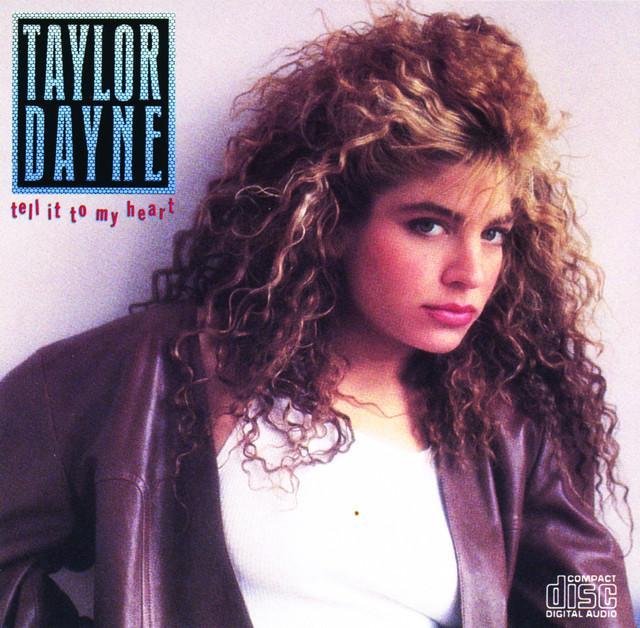
Released in 1988 as the third single from Tell It to My Heart, the song showed a different side of Dayne after two more dance-driven singles. According to widely cited chart and release information, it reached No. 3 on the Billboard Hot 100, No. 2 on Adult Contemporary, and was certified Gold in the United States. It was written by Jimmy George and produced by Ric Wake, with a notable saxophone part by Richie Cannata. These facts are commonly documented by major reference sources and industry archives.
A Love Song Built on Reassurance
At its core, the song is about emotional security. The speaker does not just say they are in love. They explain what that love has done: it has brought hope, happiness, and a sense of completion. That makes the song feel less like flirtation and more like a vow.
Short phrases such as rest of my days
and lucky star
help show that the feeling is both long-term and idealized. The partner is not described as a passing romance. They are framed as someone life-changing.
Interpretation: The song’s central idea is that love can feel like rescue. The partner arrives not only as a lover, but as a person who gives comfort and direction. That is why the lyrics keep returning to permanence instead of passion alone.

Watch the official I'll Always Love You
music video
Who Is Speaking—and Why It Feels So Direct
The narrator speaks in first person, but the emotional style is strikingly plainspoken. There is no mystery about who they are addressing. They are talking directly to a beloved partner and promising care, loyalty, and presence.
Phrases like my lover, my friend
matter because they widen the bond. This is not only about attraction. It is also about trust and companionship. In many love songs, romance and friendship get separated; here, they work together.
That directness gives the song a sincere tone. The speaker is not trying to impress the listener with clever imagery. They are trying to make the promise sound believable.
How the Lyrics Move from Gratitude to Commitment
One reason the song works so well is its simple emotional structure. It unfolds in a clear sequence:
- The speaker names what the partner has brought into their life.
- They describe the partner as deeply valuable and rare.
- They turn that gratitude into a promise of lasting love.
- They add a pledge of care and reliability.
This matters because the chorus does not come out of nowhere. It is earned. The speaker first explains why the relationship matters, then repeats the vow. When they say you can count on me
, the line sounds like more than a romantic slogan. It sounds like a practical promise.
The Chorus Turns Emotion into a Vow
The hook is powerful because it is repetitive in the best way. Each return to the title reinforces the idea that love here is stable, not fragile. In pop writing, repetition often creates intensity. In this song, repetition creates reassurance.
I'll always love you
till the end of time
Those lines summarize the song’s emotional world. The speaker wants the other person to feel secure, not uncertain. Even when the lyrics are highly romantic, they are grounded in constancy.
Interpretation: The chorus can be heard as a promise against change. Time moves, feelings can shift, and relationships can be tested—but the song pushes back against that fear by insisting on permanence.
Why the Sound Softens the Message
Production matters a lot to the meaning of "I'll Always Love You". Dayne first broke through with high-energy pop and dance records, but this single slowed the tempo and leaned into a softer R&B-pop ballad style. That change helped the song cross over to adult contemporary radio and highlighted a more tender side of her voice.
The arrangement supports the lyrics in three big ways:
- Slower pace: gives the words room to breathe.
- Warm saxophone touches: add sensuality and elegance.
- Strong but controlled vocal delivery: makes the promise feel heartfelt, not overstated.
Dayne’s voice is still powerful, but she is not attacking the song the way a dance anthem might demand. Instead, she sounds protective and assured. The result is a performance that sells devotion through control.
A Straightforward Song with a Slightly Bigger Fantasy
The most obvious reading is simple: this is a love song about lifelong commitment. That reading is well supported by nearly every major lyric idea.
But there is a second possible layer. The partner is described as the answer to longing, the source of hope, and almost the center of the speaker’s world. Phrases like my everything
hint at a romantic ideal so complete that it borders on fantasy.
Interpretation: That does not make the song unhealthy or cynical. It just means the song lives in the heightened language of pop devotion, where love feels total and transformative.
Why the Song Still Connects
The meaning of I'll Always Love You Taylor Dayne remains easy to feel because it does not hide behind ambiguity. It tells listeners exactly what it means: love can be grateful, loyal, sensual, and enduring all at once. The lyrics celebrate not just romance, but the comfort of being chosen and cherished.
That emotional clarity helped the song stand out in Dayne’s catalog. It proved she could deliver vulnerability as effectively as power, and it gave listeners a ballad built on warmth rather than heartbreak.
Disclaimer: This interpretation blends documented song facts with lyrical analysis. Meaning can vary by listener, and not every reading will be the same.








