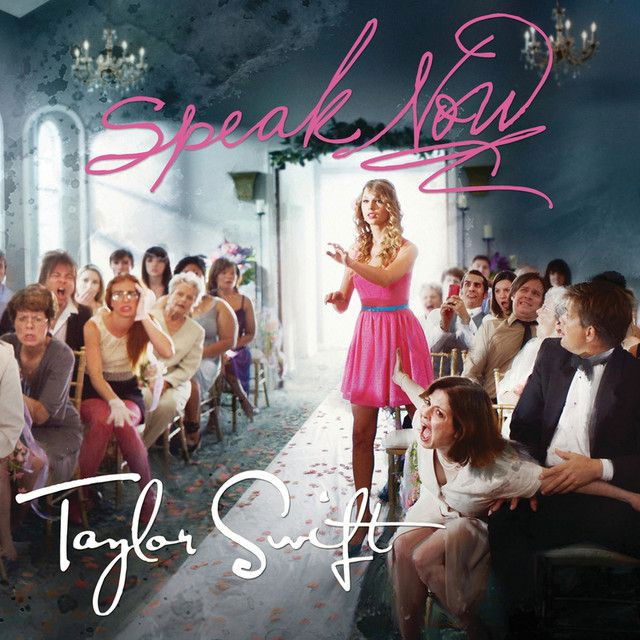
Back To December by Taylor Swift
Why This Apology Song Still Hits Hard
The meaning of Back To December Taylor Swift comes down to one rare thing in breakup music: a direct apology. Instead of blaming an ex, the song centers on someone who knows they caused the damage and cannot stop replaying it.
"Back To December" - Taylor Swift
How's life? Tell me, how's your family?
I haven't seen them in a while
Loading lyrics...
Unable to load lyrics
We're unable to display the lyrics at this time. Please try again later.
Released on Speak Now in 2010, the track was written solely by Taylor Swift, a key fact in understanding its personal tone. At the time, Speak Now was widely framed as an album of self-written songs, which Swift discussed in album-era press around its release. That context matters because this song sounds like a confession they needed to say out loud, not just a polished pop concept.

Watch the official Back To December
music video
The Heart of the Story: Regret, Not Revenge
At its core, the song follows a narrator meeting an ex and feeling the weight of what happened before. The opening is awkward and polite, with small talk covering a much deeper wound. Very quickly, the song reveals the real problem: the other person is guarded because they remember being hurt.
The emotional pivot comes when the narrator admits fault with swallowin' my pride
. That phrase matters because it shows how hard the apology is. This is not a song about winning someone back through charm. It is about accepting responsibility.
When the chorus returns to back to December
, it turns memory into punishment. They keep revisiting the same time and decision. The hook is catchy, but its meaning is painful: they cannot move forward because they still wish they had acted differently.
A Timeline Told Through Seasons
One of the song’s smartest choices is how it maps emotion onto time.
Summer, Fall, Winter, Regret
The narrator looks back on beautiful times
in summer, then realizes they loved this person in the fall. By winter, fear takes over. That seasonal movement gives the song a natural emotional arc:
- Warmth and ease in the relationship
- Late realization of real love
- Emotional withdrawal and breakup
- Ongoing guilt after the fact
This structure helps explain why the song feels so vivid. The memories are not random. They are organized around changing weather and changing feelings, which makes the regret feel lived-in.
What the Chorus Really Confesses
The chorus is the center of the song’s meaning. The narrator admits that the freedom they thought they wanted did not feel freeing at all. In one of the song’s sharpest ideas, independence turns into loneliness.
That is why missin' you
lands so strongly. The song suggests that leaving was not a brave act of self-discovery. It was a mistake they only understood after the loss became real.
Interpretation: This is also why the song resonates beyond celebrity gossip. Many listeners connect to the delayed realization that something valuable was only fully seen after it was gone.
Images That Carry the Pain
Swift fills the song with concrete details rather than abstract sadness. A missed birthday call, remembered car rides, and a door chain all make the apology feel specific.
The image of roses left behind is especially important. It turns a romantic gesture into a symbol of neglect. In plain terms, the song says the other person offered love openly, and the narrator did not know how to receive it.
There is also a striking contrast between warmth and cold. The loved one is remembered through comfort and tenderness, while the breakup is framed by dark days and emotional winter. That contrast keeps the song from sounding vague. It has texture.
I'd go back in time
but I can't
Those short lines sum up the whole emotional trap. The song is full of desire to repair the past, but it never pretends repair is guaranteed.
How the Sound Deepens the Meaning
Musically, “Back to December” sits between country and polished pop ballad, matching the song’s emotional balance. It uses a soft, steady arrangement that lets the apology stay front and center. Gentle acoustic textures, piano, and a gradual build create a reflective mood rather than a dramatic blowup.
That production choice matters. A louder or angrier arrangement would change the meaning. Here, the restrained sound suggests someone replaying old choices alone at night. The melody also rises emotionally in the chorus, which mirrors the rush of memory and regret.
Interpretation: The music does not try to overpower the words. Instead, it supports the feeling of looking backward, almost as if the song itself is walking through a memory.
Artist Context Without Overclaiming
Because Swift’s songwriting often draws from real-life relationships, listeners have long speculated about who inspired the song. Media coverage at the time frequently linked it to Taylor Lautner. Still, the song works even without attaching it to one confirmed person, and careful interpretation should not depend on gossip.
What can be said more safely is that the song stood out in Swift’s catalog because it reversed a common breakup-script. Rather than portraying herself as the injured party, they gave the narrator the harder role: the one who knows they were wrong.
Why the Song Endures
The meaning of Back To December Taylor Swift lasts because it captures a feeling many people know but rarely say plainly. It is about being too late to understand love, and about the humility it takes to admit that truth.
The song does not promise reunion. In fact, the line about understanding if the door is closed makes the apology feel more mature. They hope for another chance, but they know they may not deserve one.
That balance between longing and accountability is what gives the song its staying power. It is sad, but it is also honest.
Final Thought
“Back To December” is best understood as a breakup ballad built on remorse, memory, and emotional growth. Interpretation: Its real power comes from showing that sometimes the deepest heartbreak is not what someone did to them, but what they did and can no longer undo.
Disclaimer: This interpretation combines widely known release context with close reading of the lyrics and sound. As with any song, some meaning remains open to listener interpretation.