
The Meaning of 'gold rush' Taylor Swift, Explained
They don’t run toward a crush; they pull back from a frenzy. That’s the tension at the heart of Taylor Swift’s "gold rush," a fast, glittering daydream about desire, jealousy, and self-protection. If you’re searching for the meaning of gold rush Taylor Swift, it’s the story of wanting someone dazzling—and choosing not to compete for them.
"gold rush" - Taylor Swift
Twinkling
Eyes like sinking ships
Loading lyrics...
Unable to load lyrics
We're unable to display the lyrics at this time. Please try again later.
The Daydream You Wake From
Swift has described the song as taking place inside a single daydream, the kind you slip into and then snap out of. That explains the quick cuts: luminous images, domestic fantasies, and then a gray wash of reality. The narrator is pulled by beauty and status, but the crush’s aura feels like a stampede.
In simple terms, they want the person but refuse the chaos that comes with them. The refrain’s blunt stance—I don't like a gold rush
—is less denial than survival. It’s a boundary.
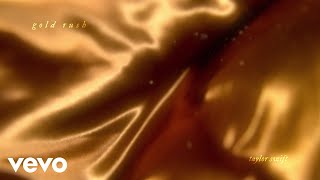
Watch the official gold rush
music video
Who’s Speaking, and Why They Pull Back
The voice is first-person, addressing someone universally desired. The tell is in the crowd effect: Everybody wants you
. That line is both awe and alarm. They’re aware that proximity to this person means constant comparison and competition.
Jealousy glints at the edges, but the song isn’t bitter. It’s cautious. They picture a relationship, then talk themselves out of it, accepting that infatuation can blur judgment—Falling feels like flying
—until the crash.
A Quick Timeline: From Spark to Stop
- The opening fixation:
eyes like sinking ships
. Beauty is magnetic, but also dangerous. - The fantasy flickers on: homey scenes, shared rooms, private jokes. It feels intimate and plausible.
- The narrator recognizes they’re mythologizing:
my mind turns your life into folklore
. - The spell breaks. The imagined romance dissolves, routine returns, and they choose not to chase what everyone else is chasing.
This arc mirrors the experience of a crush that thrives in imagination but wilts under public pressure.
Symbols That Turn Romance Into Risk
The title metaphor does most of the work. A "gold rush" promises fortune but triggers a stampede, making the prize less about love and more about winning. In that light, the narrator’s refusal becomes a self-preserving choice.
Physical details anchor the fantasy. The line about hair falling into place like dominoes
captures the effortless charm that starts the rush. Domestic props—a T‑shirt on a door, a coastal town—make the imagined relationship feel tactile. Then the color drains. Tea goes cold; life goes gray. The contrast shows how quickly infatuation can turn when the daydream ends.
The self-reference—my mind turns your life into folklore
—is a wink and a warning. They know they’re telling themselves a story, and stories can’t guarantee stability.
How The Sound Carries The Feeling
On Evermore (2020), "gold rush" stands out for its sleek, sprinting arrangement. It opens with soft, stacked vocals, almost choral, then snaps into a brisk beat that feels like a heart kicking up. The glittering synths and tight drums create motion, as if the song itself is running with the crowd.
Jack Antonoff’s co-writing fingerprints are in the glossy momentum and harmonic lift; the track uses shimmer and speed to mirror romantic adrenaline. Additional synth textures (notably contributed by Patrik Berger) give it a polished glow that contrasts with the narrator’s decision to keep distance. The production lets the listener feel the sweep of the crush, then hear the restraint in the quieter, fading moments.
Alternate Readings That Still Fit
Interpretation: The song may be a commentary on celebrity desirability—how people project fantasies onto public figures. In that reading, the narrator resists being another admirer in a line.
Interpretation: It could also be about personal boundaries. The narrator recognizes patterns of jealousy and competition, and chooses calm over drama. Both readings rely on the same evidence: rapid-fire idealization, public attention, and the firm refusal embedded in I don't like a gold rush
.
Some fans connect "gold" to recurring imagery in Swift’s catalog, suggesting continuity rather than a specific subject. Whether aimed at a real person or an archetype, the song’s power is how it captures the instant a dreamer chooses peace.
Why It Resonates Now
The meaning of gold rush Taylor Swift resonates because it admits a hard truth: sometimes the healthiest love story is the one you don’t start. The song validates people who step back from alluring chaos, who won’t fight a crowd for something that should feel private.
It’s a graceful kind of no—romantic, honest, and kind to the self. That’s why the glittering rush is unforgettable, even as the narrator decides not to run.
Takeaway
"gold rush" is less a takedown of desire than a portrait of restraint. It captures the thrill and the comedown in a single breath—and honors the choice to protect your peace.
Disclaimer: Song interpretations are subjective and reflect one reading of the lyrics and production.







