Meaning of Maroon Taylor Swift: Love, Color, Afterglow
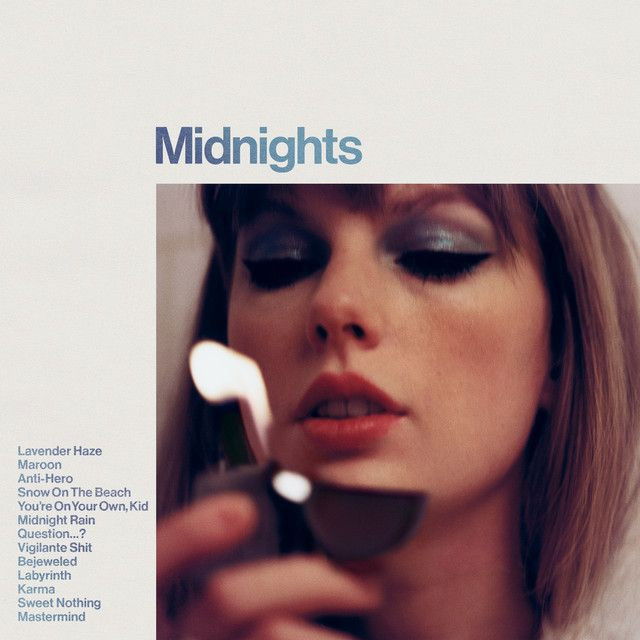
Taylor Swift’s “Maroon,” track two on Midnights (2022), turns color into memory. The meaning of Maroon Taylor Swift explores is how love ages from bright spark to deep stain—still beautiful, but heavy with time.
"Maroon" - Taylor Swift
'Cause we lost track of time again
Laughing with my feet in your lap
Loading lyrics...
Unable to load lyrics
We're unable to display the lyrics at this time. Please try again later.
A darker shade of love, not just heartbreak
“Maroon” reframes Swift’s long-standing color language. Where “red” once meant youthful, blazing love, maroon is deeper—wine-dark, lived-in, and hard to scrub out. When the narrator says I chose you
, it signals agency. But the choice leads to a love that marks and lingers.
The repeated image of the burgundy on my T-shirt
makes emotion tactile. A spill becomes a stain, a moment becomes a mark. This is not a breakup blast; it’s a quiet reckoning with what sticks.
Watch the official Maroon
music video
Who’s speaking, and to whom?
The song is told in first person, addressed to a former lover they still feel in the present. Domestic details—incense dust, a vinyl shelf—suggest intimacy. The memory is anchored in place: In New York, no shoes
hints at a private, carefree closeness now gone.
Interpretation: the narrator is talking to the past version of the relationship and to the person at once. That dual address mirrors how memory collapses time.
A clear timeline you can follow
- Early-days ease: late nights, inside jokes, a shared couch floor—two people choosing each other.
- Defining moment: the choice (“I chose you”) and a euphoric time marked by skyward glances and dancing.
- The turn: misread signals—carnations mistaken for roses—and a fight that exposes fragility. Distance creeps in.
- The aftermath: communication corrodes—
rust that grew between telephones
—until the love exists mostly as a powerful echo.
By the end, the memory feels physical: the mark on skin, a room charged with absence, a city street that now holds a ghost.
Why the chorus lands like a bruise
The hook ties feelings to shades—burgundy, scarlet, maroon—showing how intensity deepens with consequence. The chorus catalogs tangible signs (a stain, a blush, a mark) and then names the composite color: maroon. Interpretation: the refrain says love isn’t a single feeling. It’s a blend of warmth, injury, and time—the hue you get when passion darkens.
Symbols and motifs decoded
- Wine and stain: Love as something that spills and sets. The stain endures longer than the party.
- Carnations vs. roses: A romance that wasn’t what it seemed—ordinary flowers dressed up as grand gestures.
- Telephones and rust: Long-distance or emotional lag; contact lines that oxidize when effort stops. The phrase
rust that grew between telephones
implies slow, inevitable decay. - “Home” as a mouth: The narrator once lived in another person’s kiss; now that address is closed. Memory keeps trying the old key.
How the sound paints the feeling
“Maroon” is a dream-pop, synth-pop ballad with ambient edges and trip-hop accents, produced by Taylor Swift and Jack Antonoff. Credits note layered vocals, elongated trap-tinged beats, and a sustained EBow guitar tone that floats through the track like a thought you can’t shake. As the song unfolds, a buzzing drone thickens the atmosphere, mirroring the way memory fills a room.
The vocal is close, almost whispered at times, and the reverb wraps it in nighttime air. This restrained mix suits the theme: the song is about emotional residue, so the sonics leave space for echoes.
Speculation vs. intention (and why it matters)
Fans have connected “Maroon” to past relationships and to Swift’s earlier color work, especially the decade-old Red, reading this as a darker sequel. Theories often point to specific exes or New York moments. Swift has not confirmed any subject, and those readings remain speculation. What matters for listeners is how the imagery works on its own: the color system, the city setting, and the artifacts of intimacy build a complete story without names.
Alternate readings that also fit
- Interpretation 1: a long-distance love that slowly oxidizes. The “rust” and phone motif support this, as do images of missed signals and haze.
- Interpretation 2: a coming-of-age revision. The narrator re-sorts youthful passion into adult context, realizing some “roses” were carnations all along. In both cases, the emotional truth is the same: memory haunts.
The bridge’s line wake with your memory over me
calls that haunting a “legacy.” Even without legal bonds or public declarations, the relationship left a real inheritance: who they became afterward.
Takeaway: a color that won’t wash out
The meaning of Maroon Taylor Swift distills is simple and resonant: love deepens, darkens, and leaves a tint on everything it touches. That shade—part kiss, part bruise—outlasts the night.
Disclaimer: Interpretations are subjective. Credits, release details, and genre descriptions are factual; narrative readings are informed inference.








