Why “New Romantics” Turns Heartbreak Into Power
Taylor Swift’s “New Romantics” sounds bright, fast, and carefree. But under that rush, the song carries a sharper idea: pain does not disappear, yet a person can still turn it into style, energy, and self-definition. That is the core meaning of New Romantics Taylor Swift gives listeners.
"New Romantics" - Taylor Swift
We wait for trains that just aren't comin'
We show off our different scarlet letters
Loading lyrics...
Unable to load lyrics
We're unable to display the lyrics at this time. Please try again later.
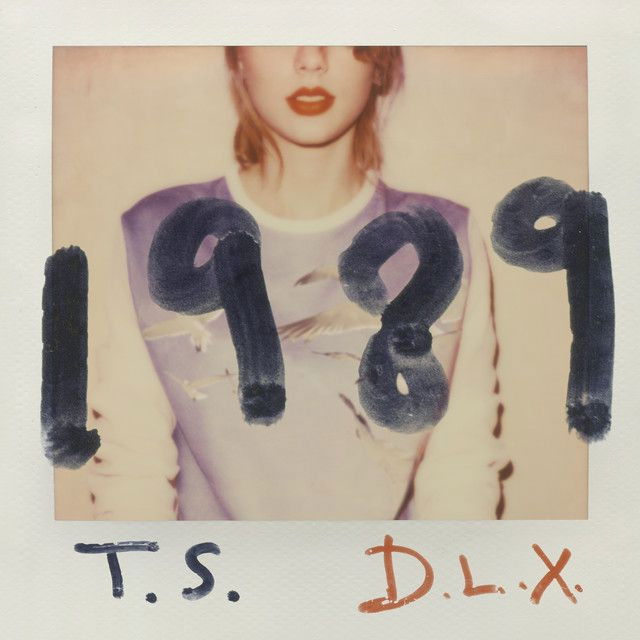
Released as part of the 1989 era, the track fits Swift’s move into sleek pop and big-city confidence. It was written by Taylor Swift, Max Martin, and Shellback, the same hitmaking team behind several 1989 songs. In that context, “New Romantics” feels like a mission statement for the album’s world: public scrutiny, private hurt, and the choice to keep moving anyway.
A Youth Anthem With a Tougher Edge
At first, the song presents a generation that is restless and unimpressed. The opening paints people who are tired, waiting, and acting cool even while they feel pressure. That mood matters because it sets up the central tension: they are worn down, but they refuse to look defeated.
Swift captures that attitude with lines about social judgment and emotional damage. When the narrator mentions scarlet letters
, the song borrows an old symbol of shame and turns it into something almost playful. Instead of hiding a bad reputation, they compare scars like badges.
Interpretation: the song argues that young adults often survive by making a performance out of what was meant to embarrass them. In “New Romantics,” irony becomes armor.

Watch the official New Romantics
music video
The Chorus Rewrites the Story
The chorus is where the song’s real thesis appears. The image of building something grand from attack is one of Swift’s clearest resilience metaphors. The short phrase build a castle
reframes criticism as raw material, not defeat.
That idea connects to another key phrase, bricks they threw at me
. The song does not deny conflict. It admits that daily life feels combative. But instead of asking for rescue, the narrator and their circle answer pain with movement, glamour, and community.
The biggest line in the song may be Heartbreak is the national anthem
. In plain terms, Swift suggests heartbreak is so common it feels civic, shared, almost cultural. Yet the song does not wallow in sadness. It turns heartbreak into something sung out loud, together, with a beat behind it.
Who Are the “New Romantics”?
The title echoes the 1980s New Romantic movement, known for fashion, theatricality, and reinvention. Swift seems to borrow that spirit rather than describe the scene literally. These “new romantics” are not old-fashioned lovers. They are modern people who know romance can hurt and still choose to chase intense feeling.
That is why the song keeps balancing need and risk. It says they need love, but often want danger. They form alliances, switch sides, and move through rumor-filled social spaces. This is not a stable love song. It is a portrait of emotional life as a game, a party, and a battlefield at once.
Interpretation: “new romantics” are people who make freedom out of instability. They know love is messy, but they would rather feel everything than live cautiously.
How the Production Sells the Message
Musically, “New Romantics” is crucial to its meaning. Max Martin and Shellback give the song a glossy synth-pop sound that matches the 1989 palette, with bright keyboards, punchy drums, and an upward-driving chorus. That production keeps the track from sinking into self-pity.
Instead, the sound creates lift. Even when the lyrics mention ruin, rumors, or battles, the beat keeps pushing forward. That contrast is the point. The song teaches resilience not through a speech, but through momentum.
There is also a communal feeling in the hook. When Swift sings about being too busy dancin'
, the line lands because the music already sounds like a packed late-night release. Dancing becomes more than a party image. It stands for refusing to freeze under pressure.
Fame, Rumors, and the 1989 Era
“New Romantics” also makes more sense when heard beside Swift’s public image in the 1989 period. By then, she was under heavy media attention around friendships, dating, and celebrity narratives. The lyric about rumors being cruel but partly true feels especially pointed, even if the song stays broad enough for anyone to relate.
This is where the meaning of New Romantics Taylor Swift deepens. It is not only about romance. It is also about surviving labels, gossip, and expectation. The song suggests a person can be misunderstood and still have fun, still create, still choose their own identity.
That final idea comes into focus with the best people in life are free
. Freedom here does not mean having no feelings. It means not letting shame, critics, or heartbreak control the self.
A Small Bridge With a Big Idea
The brief bridge adds an important twist:
Please take my hand
Please take me dancin'
Please leave me stranded
It’s so romantic
This moment mixes desire with contradiction. The speaker wants closeness, excitement, and even the risk of abandonment. That is a compact summary of the song’s worldview: romance is thrilling partly because it is unstable.
Interpretation: Swift is not praising pain itself. They are showing how some people become attached to intensity, even when it may end badly. In that sense, the song is both celebratory and self-aware.
Why the Song Still Connects
What keeps “New Romantics” fresh is its refusal to choose between vulnerability and confidence. It says people can be bruised and still dazzling. They can admit life feels like a battle and still turn the night into a dream.
For many listeners, that is the real meaning of New Romantics Taylor Swift created: a pop anthem about rebuilding identity after disappointment. It honors heartbreak, but it refuses to give heartbreak the last word.
Disclaimer: This interpretation is based on the released lyrics, production, and public context. As with any song, listeners may hear meanings that differ from the ones discussed here.









