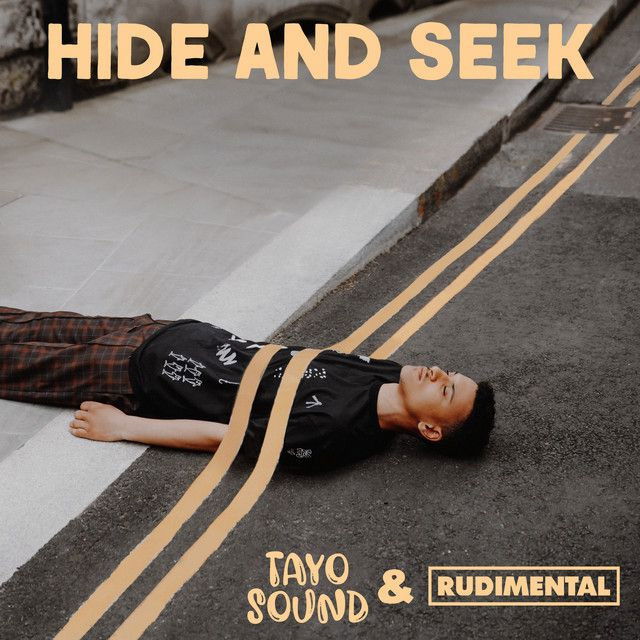
Hide And Seek by Tayo Sound, Rudimental
Tayo Sound and Rudimental build a late-night world where memory keeps winning. The meaning of Hide And Seek Tayo Sound, Rudimental circles one sharp feeling: wanting someone who slips away the second morning comes. Instead of closure, the narrator leans on dreams to keep that connection alive. The hook is sweet, but the ache sits just beneath it.
"Hide And Seek" - Tayo Sound, Rudimental
Yeah, slower
When my head hits the ceiling
Loading lyrics...
Unable to load lyrics
We're unable to display the lyrics at this time. Please try again later.
The Ache Behind the Game: What’s Really Going On
On the surface, the title nods to a childhood pastime. In the song, hide and seek
becomes a metaphor for romantic distance. One person hides—by leaving, by going silent, or by existing mostly in memory—while the other searches in the dark.
Interpretation: the narrator is stuck between waking life and a dream loop, unsure if the love is real or imagined. They wake to absence, then chase the feeling again at night. The push-pull rhythm of yearning and doubt powers every verse and chorus.

Watch the official Hide And Seek
music video
Who’s Speaking, and to Whom?
The voice is first-person, direct, and intimate. They pedestal the other person with a breathy you’re heaven-sent
, a phrase that shows how idealized this love has become. But flattery doesn’t fix the distance. The plea tell me where you are
makes the emotional map plain: the beloved is out of reach, and the speaker is tired of guessing.
This second-person address creates tension. It sounds like a conversation, yet the person they’re talking to isn’t really there—at least not when the sun is up. That gap is the song’s wound.
The Dream Loop, Explained by the Chorus
The chorus is the center of gravity. It spells out how the narrator keeps the connection going only in sleep:
I’ve been meeting people in my sleep again Only see you in my dreams
Those two lines frame all the rest. By day, reality argues back. By night, memory wins. A key detail—only talking in my sleep
—turns the bedroom into a confessional. They can say everything in dreams that they cannot face when awake.
Another charged image—overdosing on my medicine
—reads like emotional hyperbole rather than literal advice. It reveals how far they’re willing to go to revisit the moment they met. Interpretation: the narrator is self-aware enough to know this is unsustainable, but they do it anyway because the dream feels truer than the day.
Symbols, Studio Whispers, and Why They Matter
The track opens with casual studio chatter about tempo and volume. Those offhand voices make the song feel like a candid night in the booth, not a polished diary. It’s a neat mirror for the lyrics: reality bleeding into the dreamstate, and vice versa.
Repetition serves as a coping tic. Little stutters and repeats suggest a brain trying to convince itself that last night wasn’t wasted. When they insist that what they had is real, the production stays soft and suspended, as if time itself hesitates.
The title image also doubles as strategy. In any game of hiding, a seeker needs rules, light, and patience. Here, the rules are broken, the light is low, and patience is running out. The game stops being fun.
How the Sound Carries the Insomnia
Rudimental are known for dance-floor instincts, but this collaboration uses restraint. The tempo is unhurried. Airy synth pads, warm sub-bass, and precise drums make a nocturnal bed for Tayo Sound’s vocal. Nothing crowds the center; the mix leaves space for longing to ring.
When the hook arrives, it blooms without hitting maximum speed. That choice underlines the theme: this is motion without arrival. The melody tilts upward on key phrases, then drifts, like a mind nodding off and snapping awake. The overall effect is tender, not tragic—more late-night whisper than club catharsis.
Alternate Readings Worth Considering
Interpretation 1: A breakup spiral. The beloved has left, and the narrator can only keep them alive in dreams. The plea, the pedestal, and the disbelief in daylight all support this reading.
Interpretation 2: Emotional unavailability. The other person shows up inconsistently—sometimes ideal, sometimes gone. The line I’ve been concealing
hints that the narrator also hides, editing their truth to avoid pain. The “game” then becomes a cycle both people play.
Interpretation 3: Creativity as obsession. The “medicine” could be the restless habits artists develop to chase inspiration. Sleep is where ideas visit; morning makes you doubt them. The studio chatter and count-in noises strengthen this angle.
Takeaway: Why It Sticks
Hide And Seek turns a simple metaphor into a full mood. It captures that suspended feeling between night and morning, where memory is louder than facts and love feels both near and far.
Disclaimer: Song meanings are subjective. This analysis offers one informed reading and may differ from the artists’ intent.









