Why "Pump Up the Jam" Still Moves People
The meaning of Pump Up The Jam Technotronic is not hidden behind dense poetry. It is direct, physical, and smart in its simplicity. The song is about turning music into motion: feet hitting the floor, a crowd locking into one beat, and a room becoming a party through repetition and rhythm.
"Pump Up The Jam" - Technotronic
While your feet are stompin'
And the jam is pumpin'
Loading lyrics...
Unable to load lyrics
We're unable to display the lyrics at this time. Please try again later.
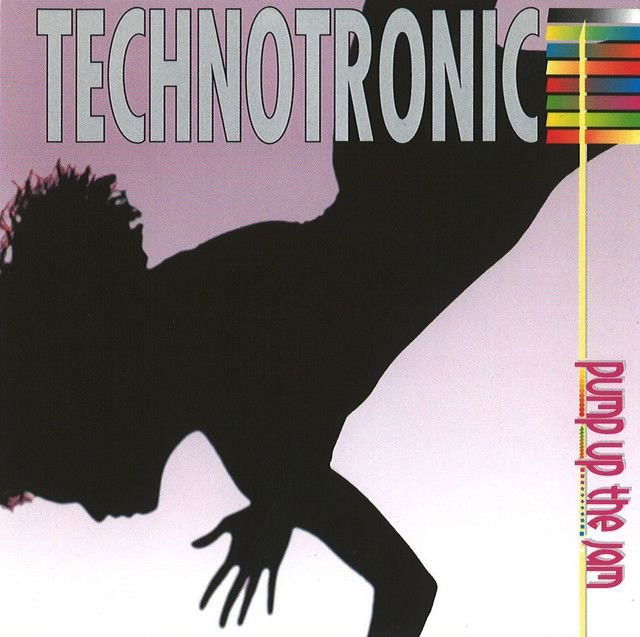
Released in 1989, Technotronic's breakthrough single became a global smash, reaching No. 2 on the U.S. Billboard Hot 100 and No. 2 in the UK, while topping charts in several countries. It is also widely described as a key hip-house and early Eurodance crossover record (Wikipedia). That history matters, because the song's meaning is tied to what it did in culture: it brought club energy into the pop mainstream.
More Command Than Story
Unlike a narrative song, this one does not tell a detailed plot. Instead, it gives orders, cues, and signals. The hook Pump up the jam
is less a metaphor than a call to action. It tells the DJ, the sound system, and the listener to raise the intensity.
The same goes for phrases like your feet are stompin'
and the crowd is jumpin'
. Those lines sketch a scene in quick strokes. They show a dance floor already in motion, then push it further.
Interpretation: The song's core message is that music does not just soundtrack a party. It creates the party. The “jam” is both the record itself and the social energy it sparks.

Watch the official Pump Up The Jam
music video
The Chorus Turns Repetition Into Meaning
The genius of the track is how little language it needs. When the song repeats make my day
, it keeps narrowing the emotional goal. The singer is not asking for romance, confession, or deep understanding. They want one thing: for people to move and complete the moment.
That is why another key line, get your booty on the floor
, matters. It is playful and blunt, but it also explains the song's worldview. Joy here is public, shared, and bodily. Dancing is not decoration; it is the point.
Look ahead, the crowd is jumpin'
Get the party going on the dance floor
That short passage sums up the whole idea. See the crowd, join the crowd, and help increase the energy.
The Strange Line Everyone Hears Differently
One of the most discussed lyrics is the phrase often heard as “I want a place to stay.” Producer Jo Bogaert later said many listeners misheard it, explaining that Awa, a place to stay
was intended differently, with “Awa” referring to “a place to stay, a home” in an African language, though he said he was not fully sure whether it was Swahili or Lingala (Wikipedia).
That detail does not change the song into something deeply narrative, but it does add texture. It reminds listeners that this global club anthem was shaped by African and European influences, not just American dance-pop formulas.
Interpretation: Even if that phrase is a little opaque, it may add a feeling of movement between places, identities, and languages. In a song about gathering people into one groove, that fits well.
How the Sound Carries the Message
The production is a huge part of the meaning of Pump Up The Jam Technotronic. Technotronic was the Belgian project of producer Jo Bogaert, who recorded the song with Manuela Kamosi, better known as Ya Kid K. Bogaert has been credited with aiming for a U.S. club hit, blending house rhythms with rap delivery (Wikipedia).
The beat is tight and mechanical, but never cold. The bass hits hard, the groove loops insistently, and the vocal cadence lands like an MC directing traffic inside a packed room. Contemporary reviews praised exactly that quality. Billboard called it a party track with a memorable hook, while the Los Angeles Times highlighted its “booming-bass” force, as summarized by Wikipedia.
Interpretation: The production makes the lyrics feel bigger than they are on paper. Read silently, the words are simple. Played loudly, they become a social event.
Image, Credit, and the Song's Legacy
There is also important context around who got seen. Ya Kid K performed the vocals, but model Felly Kilingi appeared lip-syncing in the music video and on early cover art as a marketing move. Bogaert later admitted Felly “was the image,” while Ya Kid K's role became more visible later through touring and repackaging (Wikipedia).
That history shapes how the song is remembered. It is a giant dance hit, but also a case study in how the music business can separate voice from image. Even so, Ya Kid K's performance remains the song's engine. The assertive delivery gives the track its authority.
The record's staying power is easy to explain. Critics and publications still rank it among the best dance songs ever, and the video has drawn hundreds of millions of views on YouTube, according to Wikipedia. It lasts because it does exactly what it promises.
Why the Song Still Feels Fresh
At heart, the song is about surrendering to collective energy. There is no complicated plot to decode. There is only the transformation of a room from ordinary space into a living beat.
That is why the meaning of Pump Up The Jam Technotronic still lands today. It captures a basic truth of dance music: when rhythm, repetition, and confidence come together, they can make strangers feel like one crowd.
Disclaimer: This interpretation separates documented facts from critical reading. Meaning can vary by listener, especially with a song built more on rhythm, mood, and club energy than detailed storytelling.








