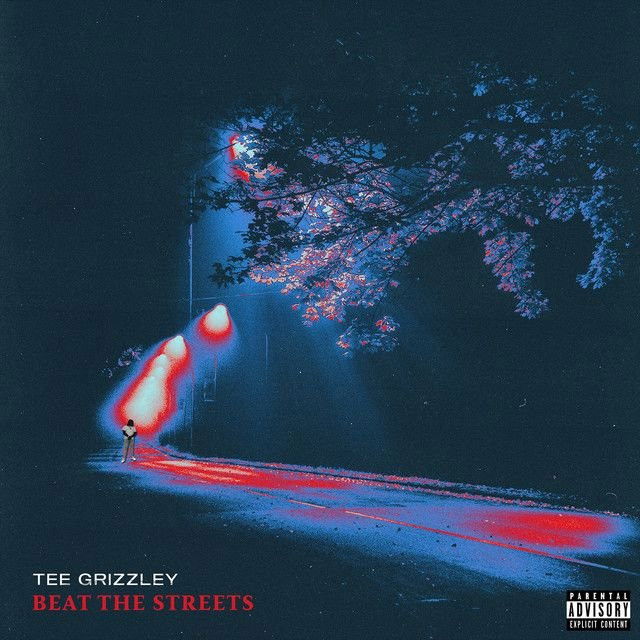
Why Tee Grizzley’s Street Warning Hits Hard
The meaning of Beat The Streets Tee Grizzley comes down to one sharp idea: survival is not glamorous. The song sounds like a warning from someone who knows the cost of street life and wants listeners to hear the truth, not the myth.
"Beat The Streets" - Tee Grizzley
I'm a street nigga that got motivated (to do what?)
To make it out these streets
Loading lyrics...
Unable to load lyrics
We're unable to display the lyrics at this time. Please try again later.
Tee Grizzley, born Terry Sanchez Wallace Jr., built much of his career by turning lived hardship into blunt rap storytelling. Public biographies note his Detroit roots, prison sentence, and breakout after 2016’s “First Day Out,” which helped make him a major voice in modern street rap (Wikipedia). That background matters here because this song feels less like performance and more like testimony.
A Hook That Rejects the Fantasy
At its core, the song says the streets sell excitement but hide the consequences. The repeated idea that the streets don’t love
anyone is the song’s emotional center. Tee Grizzley keeps returning to that point so listeners cannot miss it.
Instead of praising toughness, he frames survival as a series of bad odds. He describes violence, prison, permanent injury, and grief as outcomes people often ignore until it is too late. In plain terms, the song argues that “street credibility” can become a trap.
Interpretation: The title “Beat The Streets” suggests that winning is not about dominating that world. It is about escaping it alive, mentally whole, and free.
Watch the official Beat The Streets
music video
The Voice of Someone Looking Back
The narrator speaks in first person, but the perspective often widens into a community voice. He starts as a street nigga
who got motivated to leave that life behind, then broadens the lens to friends, prisoners, mourners, and young men making risky choices.
That shift matters. The song is not only autobiography. It becomes a message to anyone still caught in the same cycle.
One of the strongest moments describes incarcerated people trying to imagine another life, only to open their eyes and find themselves in the same cell. Tee Grizzley does not need many details to make that pain vivid. He turns prison into more than punishment; it becomes a picture of emotional paralysis.
Picture theyself anywhere
then open their eyes
and they are still there.
That is the song’s only extended lyric moment, and even then, the point is clear in paraphrase: hope exists, but confinement can crush it.
Grief, Hypocrisy, and Late Love
Another key thread is how people are treated only after they are gone. Tee Grizzley notices the cruel pattern: a person feels unsupported in life, but death suddenly brings a crowded funeral. The line about a packed out that church
points to public grief that arrives too late.
This connects to one of the song’s deeper themes: hypocrisy. The same happens with street advice. He recalls being told to be real
, but then questions whether the people giving that advice were genuine themselves.
That challenge is important in the meaning of Beat The Streets Tee Grizzley because it attacks a common rap and street ideal. In this song, “realness” is not automatically noble. It may demand sacrifice without offering safety, growth, or reward.
Interpretation: They are not rejecting integrity. They are rejecting fake codes that romanticize suffering.
Violence as Sudden, Ordinary, and Permanent
The second half of the song gets even more direct. Tee Grizzley lists outcomes with almost report-like bluntness: getting shot, losing mobility, dying young, going silent forever. He even mentions social media, suggesting some conflicts now grow from online visibility rather than real necessity.
That detail brings the song into the present. When he notes people dying over Instagram posts, he shows how pride, image, and digital performance can make danger spread faster. A picture becomes a trigger. A post becomes a last mistake.
This is where the song feels especially modern. It is not only about old-school street corners. It is also about how the same risks now live online.
How the Production Carries the Message
The beat is spare, heavy, and serious. It leaves room for his voice to do the emotional work. There is no lush melody pushing the song toward triumph. Instead, the production creates a steady pressure, which makes every warning sound more believable.
The tag at the opening hints at a producer-led rap setup, but the instrumental stays disciplined. That matters because a flashy beat could have undercut the message. Here, the restraint helps the song feel like a conversation with high stakes.
Tee Grizzley’s delivery also matters. He does not sound detached. He sounds burdened, reflective, and at times frustrated. That tone keeps the record from becoming a lecture. It feels like someone trying to save others from choices they have already seen up close.
Artist Context Sharpens the Song
Tee Grizzley’s catalog often returns to prison, trauma, Detroit survival, and hard-earned success. Biographical reporting shows that incarceration and loss shaped both his life and music, including the events surrounding his early rise and later personal tragedy (Wikipedia).
That context does not prove every line is literal. But it does explain why this song lands with authority. Listeners know he has made a career out of turning lived experience into cautionary rap, not just fantasy.
The Last Takeaway
So what is the meaning of Beat The Streets Tee Grizzley? It is a reality check. The song says the streets are sold as thrilling, but they often lead to prison, funerals, injury, and regret.
Its deeper message is about maturity. Tee Grizzley presents survival as wisdom, not weakness. In this reading, beating the streets means refusing lies, seeing danger clearly, and understanding that life can change in an instant
.
Disclaimer: This article offers interpretation based on the song’s lyrics, tone, and public artist context. Meanings in music can remain open to listener perspective.








