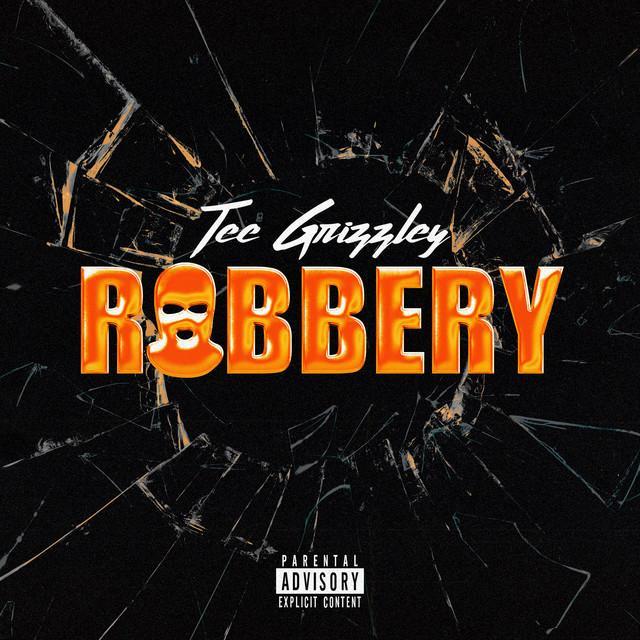
Robbery by Tee Grizzley
The meaning of Robbery Tee Grizzley comes down to one central idea: a stolen moment becomes a spiral of revenge, ego, and terrible decisions. Rather than presenting violence as clean or heroic, the song shows how fast humiliation can grow into obsession.
"Robbery" - Tee Grizzley
Walking out the club, nigga looking at me funny (fuck you looking at?)
I'm already pissed 'cause I threw too much money (I'm sick)
Loading lyrics...
Unable to load lyrics
We're unable to display the lyrics at this time. Please try again later.
Tee Grizzley has built much of his reputation on detailed street storytelling, a style heard clearly on breakout records like First Day Out, which helped introduce his narrative voice to a wide audience. In that context, "Robbery" feels like another compact crime film told in rap form. Factually, the song is credited to Tee Grizzley, born Terry Sanchez Wallace Jr., and the beat tag points to producer Helluva.
A Robbery That Becomes a Reputation Crisis
On the surface, the plot is simple: the narrator leaves a club, gets robbed, gives up his valuables, and then starts planning payback. But the deeper meaning is not just about lost items. It is about shame.
Early on, the narrator admits he is already upset and then gets caught "lowkey I'm slippin'"
. That short phrase matters because it frames the whole story as a wound to pride. He is not only angry that he was robbed; he is angry that he was caught off guard.
Interpretation: the song treats robbery as social exposure. In this world, being victimized can feel almost as dangerous as the crime itself, because it threatens status. That is why the narrator quickly shifts from survival to retaliation.

Watch the official Robbery
music video
How the Story Moves Like a Thriller
One reason the meaning of Robbery Tee Grizzley lands so strongly is the song’s scene-by-scene structure. Tee Grizzley does not speak in vague emotions. They tell the story in a tight sequence.
The plot in four quick beats
- They are robbed outside the club and hand everything over.
- They begin searching for the robber instead of calling for help.
- They use social media and a woman connected to the suspect to set up revenge.
- They attack, only to learn it was
"the wrong nigga"
.
That last moment changes the song completely. Until then, the narrator sounds certain, focused, and deadly serious. After the reveal, the plan collapses into confusion.
"He got in his whip""I ran up and I hit him""When the gun smoke cleared""it was the wrong nigga"
This is the article’s only multi-line lyric quote, and even here the point is narrative, not reproduction. The passage shows how quickly certainty turns into catastrophe.
Instagram, Surveillance, and Bad Decisions
A striking part of the song is how the search begins online. The narrator is scrolling and suddenly finds a clue through a woman’s post. In other words, revenge is made possible by ordinary digital behavior.
When the song mentions the timeline and DMs, it pulls the story into the present. This is not an old mob tale or a movie fantasy. It is a modern trap narrative where Instagram becomes both evidence board and weapon.
Interpretation: social media here stands for false control. The narrator thinks access to photos, messages, and locations means the problem is solved. But that same confidence leads to the biggest mistake in the song. Digital clues create speed, not wisdom.
What the Violence Is Really Saying
There is no moral speech inside the lyrics, but the song still says a lot about violence. The narrator talks like revenge will restore order. They imagine finishing the problem, recovering what was taken, and protecting their name.
Yet every new step makes the situation worse. The plan expands from one target to multiple people. The narrator starts with retaliation and ends in kidnapping panic, openly unsure what to do next.
That is why a phrase like "put that boy to rest"
is important. It sounds final, but nothing in the song becomes final. Each action creates a bigger mess. The supposed solution only multiplies risk.
Why the Beat Matters So Much
Helluva’s production gives the song its pressure. The instrumental is sparse, dark, and tense, leaving room for Tee Grizzley’s voice to carry the action. There is not much softness in the beat, and that works in the song’s favor.
The flow feels like someone thinking out loud while making dangerous choices in real time. Instead of a big melodic chorus softening the track, the delivery keeps the listener locked inside the narrator’s head. That creates a near-cinematic effect.
In practical terms, the production supports three themes:
- urgency n- paranoia
- tunnel vision
The beat does not celebrate triumph. It sounds like pressure building.
A Classic Tee Grizzley Strength
This song fits Tee Grizzley’s storytelling lane. They have long stood out for turning street detail into vivid narrative, often with blunt delivery and clear stakes. "Robbery" works because the listener can picture each scene.
Just as important, the song refuses to end with neat victory. The cliffhanger ending keeps the focus on fallout rather than success. That choice makes the narrative feel less like fantasy and more like a cautionary spiral.
The Real Takeaway Behind the Chaos
So what is the meaning of Robbery Tee Grizzley? It is a story about how pride can become its own trap. A robbery starts the plot, but wounded ego drives the disaster.
Interpretation: the song may sound like revenge rap on first listen, yet its structure suggests something darker. The narrator keeps chasing control and loses it more with every move. By the end, the robbery has become a study in panic, image, and consequences.
That is what makes the track memorable. It is not just about who took what. It is about what happens when humiliation matters more than survival.
Disclaimer: This interpretation is based on the lyrics, performance, and known artist context. Song meanings can vary from listener to listener.









