The Concept by Teenage Fanclub
The meaning of The Concept Teenage Fanclub comes down to a smart tension: the song sounds warm and catchy, but its lyrics are cool, observant, and a little uneasy. Rather than offering a grand love story, Teenage Fanclub build a compact character sketch and then undercut it with regret.
"The Concept" - Teenage Fanclub
Says she's gonna get some records by the Status Quo
Oh yeah Oh yeah
Loading lyrics...
Unable to load lyrics
We're unable to display the lyrics at this time. Please try again later.
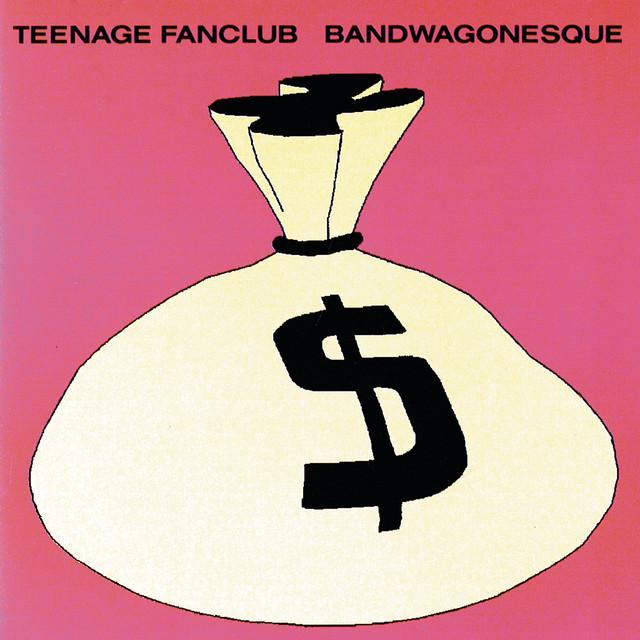
Released on 21 October 1991 as a single from Bandwagonesque, the song was written and sung by Norman Blake and became one of the band's defining tracks. It reached No. 12 on the US Alternative Airplay chart, according to chart data summarized by Wikipedia.
A Character Study Hiding Inside a Pop Song
On the surface, the verses simply list details about a woman the narrator knows or watches closely. She is defined by taste, style, and habits: wears denim
, talks about getting records, and moves through gigs and bars with confidence. Those details make her feel real very quickly.
But the song does not treat those details as pure praise. Interpretation: it sounds more like the narrator is fascinated by an image than connected to a full person. The quick snapshots suggest attraction mixed with distance, as if they know her type before they know her heart.
That reading fits comments around the song. Blake said in a 2015 interview, as quoted in the song's Wikipedia entry, that the lyrics came together about twenty minutes before recording and that his goal was simply to write something with a narrative
. That matters because it suggests the song's power comes from sharp observation, not confession.

Watch the official The Concept
music video
Why the Chorus Changes Everything
The key emotional line is the repeated I didn't want to hurt you
. Before that refrain, the verses feel playful and slightly detached. After it, the song gains weight.
This is where the meaning of The Concept Teenage Fanclub opens up. The narrator may be admitting that what looked like harmless flirtation or scene-level cool has real emotional consequences. They may not fully understand the woman, but they understand that somebody got hurt.
Interpretation: the chorus also exposes the narrator's limits. Saying they did not mean to cause pain is not the same as taking responsibility. The line sounds sincere, but it also sounds like something said after the damage is done.
Scene Culture, Irony, and Affection
A lot of the song's charm comes from how it captures indie-rock social life without turning into a lecture. There are references to records, gigs, driving home after shows, and a band identity the woman seems to like. One especially telling phrase is pull in the slack
, which hints at self-aware band pride and maybe a joke at the group's own expense.
Critics have often noticed that tone. PopMatters, quoted in the same source, described the lyric as tongue-in-cheek and as a character study of someone in a scene. That feels accurate: the song sees the culture clearly, but it does not sound cruel about it.
Instead, it balances irony with affection. The narrator may be amused by the woman's contradictions, including the line about not doing drugs but doing the pill
, yet the song never becomes a takedown. It sounds like someone trying to make sense of attraction that is partly emotional and partly social.
The Music Says More Than the Plot
Musically, the track helps explain why listeners remember it so deeply. It runs just over six minutes and blends power pop, indie pop, and noise pop, as noted by Wikipedia. The opening feels bright and jangly, with the easy lift that Teenage Fanclub do so well.
Then the song stretches out. The guitars keep blooming, the harmonies add longing, and the ending feels bigger than the modest story in the verses. That contrast is important.
Interpretation: the music turns a small social sketch into something almost heroic. The narrator may be talking about one woman, one set of gigs, one emotional mistake. But the sound makes those moments feel like part of a larger young-adult dream: wanting connection, wanting cool, wanting a life that means something.
Pitchfork, quoted on the song's Wikipedia page, argued that by the end, Blake seems less in love with the girl than with the idea of being onstage in a band. That is a sharp reading, and the huge coda supports it. The ending feels like release into performance itself.
A Few Strongest Clues in the Lyrics
If they break the song into parts, the narrative is simple:
- The narrator introduces a woman through style and taste.
- They add contradictions and scene-specific details.
- They place her around the band's world of gigs and rides home.
- The chorus admits emotional fallout.
That structure matters because it keeps the verses concrete and the chorus universal. The details are specific; the regret is broad. That is one reason the song travels so well across listeners and decades.
She wears denim wherever she goes
Says she's gonna get some records
I didn't want to hurt you
Those lines, taken together, show the whole design: surface detail first, emotional truth second.
What the Song Ultimately Means
The best way to understand the meaning of The Concept Teenage Fanclub is to see it as a song about attraction filtered through image, music culture, and hindsight. It is funny, but not just funny. It is observant, but not cold.
Interpretation: the song suggests that people often fall for a concept before they face a person. They notice clothes, taste, scene status, and chemistry. Only later do they notice the cost of staying detached.
That mix of melody, irony, and regret is why the song still feels fresh. It captures a moment in youth culture, but it also captures a common mistake: confusing a vivid impression for real intimacy.
Disclaimer: This interpretation is based on the lyrics, available artist comments, and critical reception. Like most songs, it can support more than one valid reading.







