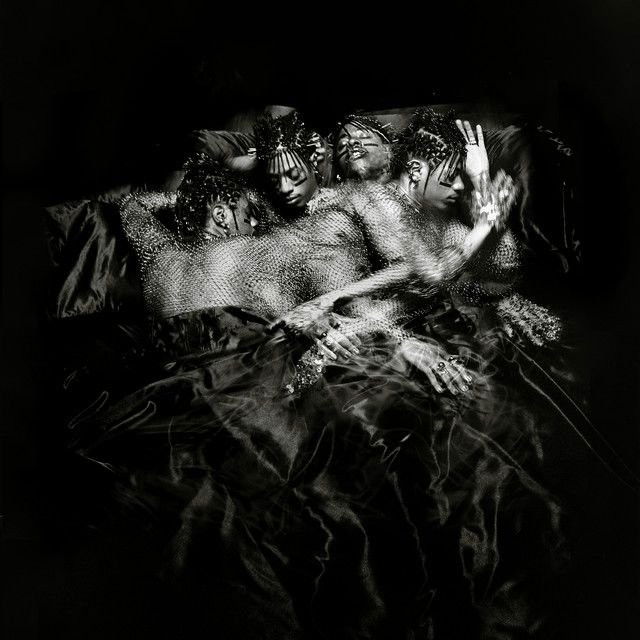
Impossible by Teezo Touchdown
The song’s hook asks a simple question with big stakes: who gets to decide what you can’t do? Built from quick snapshots of blocked dreams, “Impossible” turns doubt into fuel. It’s part pep talk, part call-out, and it lands because it sounds like everyday life.
"Impossible" - Teezo Touchdown
Maybe thought they was the next Jean-Michel
'Til somebody yelled, "No, you ain't"
Loading lyrics...
Unable to load lyrics
We're unable to display the lyrics at this time. Please try again later.
Dreams on Canvas, Gloves, and Turntables
At heart, the meaning of Impossible Teezo Touchdown is about pushing past gatekeepers—both the outside voices and the ones inside your head. The opening vignette paints a creative dead end: Maybe they were gonna be a painter
, even thought they might be the next Jean-Michel
, but money, judgment, and fear left “the canvas blank.”
Then the story shifts to the ring. A would-be champion might have won if they’d blocked that right
. Instead, bad timing and a fast count stack up: down goes-
. Finally, the third verse widens the lens to a DJ, a “weird” artist, and a “too old” rock hopeful whose record never caught. These sketches show a pattern: doubt shows up with many faces—finances, luck, trends, ageism, and shame.
A Chorus That Dares You to Name the Gatekeeper
The chorus repeats a challenge and strips it to the bone:
Who said it would be impossible? Who said it would be?
By repeating and tightening the question, Teezo forces the listener to identify the source of “impossible.” Is it a parent, a critic, an algorithm, a referee? Or is it your own voice? The demand later—“Give me a name… an address”—turns the idea of failure into something you can confront instead of fear.
Who’s Talking, and Why It Feels Personal
The narrator starts in third person, telling stories about “they,” then faces the listener with second-person lines. That shift makes the pep talk feel intimate. When they echo chart cynicism—They never seem to top the charts
—it mirrors the way people justify quitting. The song counters with a tougher truth: if you never begin, you write your own ending.
What Actually Happens: Three Beats, One Lesson
- The Painter: Talent, pressure, and lack of funds collide. The result is silence—an empty canvas that stands for stalled beginnings.
- The Boxer: Skill meets randomness. A missed block, a quick referee count, and lights out. The bell rings on how luck and power can rig outcomes.
- The Aspiring Artist: Limited gear, being called “weird,” age myths, and sales anxiety add up to paralysis. The market isn’t a merit badge; it’s a fickle scoreboard.
Together, these beats argue that “impossible” often arrives disguised as practicality.
Symbols That Do More Than Decorate
- Canvas: A life not attempted. It’s the quiet cost of listening to “no.”
- Referee Count: The pressure of time and final calls you can’t appeal.
- Charts: External validation. Chasing them flattens art; ignoring them can free it.
- The Demand for a Name: Accountability. If “impossible” has no face, it has no power.
The question Who’s to say what’s impossible?
reframes success as self-defined: what you make, share, or learn can be the win.
Sound and Delivery: How Form Lifts the Message
“Impossible” moves like a challenge workout. The verses are conversational and specific, while the refrain is a tight, chant-like mantra built for shouting with friends. The boxing count woven into the verse adds rhythm and tension, simulating a ringside scene. That dramatic flair sets up the release in the hook, where repetition becomes resolve. Interpretation: the arrangement mirrors how doubts pile up, then get burned off by a simple, repeatable belief.
Industry Readings and Everyday Use
Interpretation: the third verse doubles as a critique of how music scenes gatekeep. Calling someone “weird,” dismissing them as “too old,” or worshiping the charts are subtle ways to push artists out. But the song doesn’t wallow. It hands the listener a tool—start, even small. For non-musicians, the message translates cleanly to school, work, and hobbies. Begin, and the data will change; wait, and the outcome is fixed.
Why It Sticks Now
Culturally, perfectionism and social scoring are loud. “Impossible” answers with a human scale: pick up the brush, step into the ring, plug in the controller. It frames risk not as a cliff but as a door.
Takeaway You Can Use Today
“Impossible” isn’t selling fantasy. It’s selling motion. Start the song at the moment you’re about to hesitate, and let the chorus do its job.
Disclaimer: This is one interpretation based on the lyrics and publicly available credits. Listeners may hear different shades depending on their own experiences.









