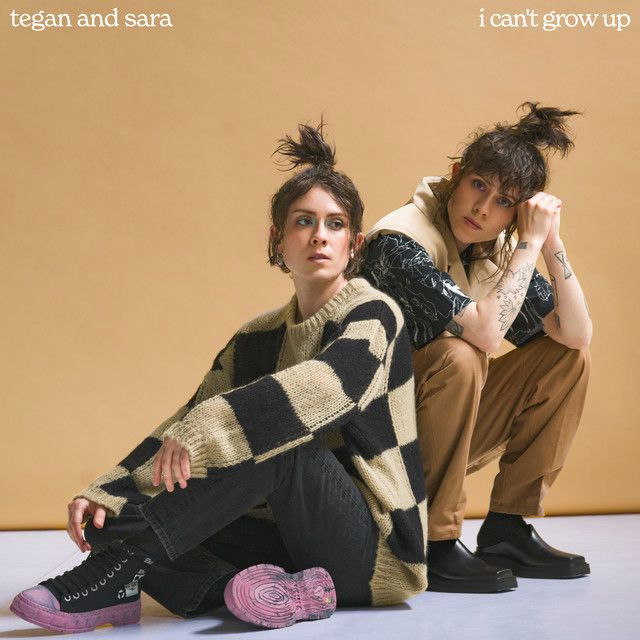
I Can’t Grow Up by Tegan and Sara
Tegan and Sara turn a breakup loop into a playground chant—with real stakes. The title phrase becomes a mirror the narrator can’t look away from. This guide breaks down the meaning of I Can’t Grow Up Tegan and Sara, from the lyrics to the sound that sells the spiral.
"I Can’t Grow Up" - Tegan and Sara
I can't grow up
I can't grow up
Loading lyrics...
Unable to load lyrics
We're unable to display the lyrics at this time. Please try again later.
Stuck On Repeat, By Design
At its heart, the song is about emotional arrest. The narrator craves love, gets just enough to hope, and then gets cut off. Each time the crash comes, they reset to the beginning, instead of moving forward.
The hook—I can’t grow up
—is more confession than excuse. It names a pattern where desire outruns maturity. The repetition of the line hammers home how fixed the habit feels. It sounds playful, but the effect is not cute; it’s claustrophobic.

Watch the official I Can’t Grow Up
music video
Power Games In Plain Language
The verses sketch a partner who withholds and controls. The plea Gimme, gimme all of your love
meets a cold stop; the narrator gets placed back onto the shelf
like an object. Another flashpoint is the power line under your thumb
. Together, these images describe a relationship where one person sets the terms and the other keeps asking for more, despite the cost.
Interpretation: the narrator is self-aware enough to see the trap but not strong enough to leave it. That’s why the demand for total love coexists with resignation. They want the “maximum,” yet they accept resets that erase progress.
How The Story Unfolds, Beat By Beat
- The narrator begs for full attention and intimacy.
- The partner engages, then withdraws, leaving them “cut off.”
- The narrator asks to start over, hoping this time will be different.
- Doubt breaks through:
How do I know when it’s time to let go?
- The cycle restarts, because admitting a problem is not the same as changing it.
This structure is baked into the songwriting. The hook returns quickly and often, like a compulsion. Verses raise the stakes, but the chorus drags the narrator back to square one.
Images That Sting And Snap Back
The bridge fires off cartoon-violent metaphors to show harm that keeps returning: a boomerang taking my head off
, a hitman, fangs, a hangman. The tone is exaggerated on purpose. Interpretation: the big, cinematic images capture how small emotional cuts can feel fatal when they never stop. The boomerang is key—it leaves and comes back. The wound is predictable, yet the narrator stays in its path.
Elsewhere, the shelf image implies storage and display, not care. Edge-and-maximum language points to thrill-seeking. The partner’s pushback—“cutting me off”—keeps the adrenaline going. It’s not stability they want; it’s the rush of almost getting what they asked for.
The Sound Of Refusing To Slow Down
The production doubles down on urgency. Bright synths and tight, punchy drums give the track a pogo-pop bounce. Guitars and stacked vocals sharpen the edges. The mix leaves little space to breathe, which matches the narrator’s anxious need.
Parenthetical echoes of the hook—those background chants of I can’t grow up
—create a call-and-response inside the narrator’s head. It’s like they’re arguing with themselves, even as they dance. The form supports the theme: momentum without growth.
Placed on Crybaby (2022), the song fits a project about vulnerability and second-guessing. Decades into their career, the duo use pop polish not to hide feeling, but to frame it. The shine lets the sting land cleaner.
Other Ways To Hear It
Interpretation: the song can be read as self-sabotage. The narrator keeps choosing intensity over health. “Growing up” would mean setting boundaries and tolerating less drama.
Another reading points outward. Pop culture often tells artists—especially women and queer artists—to stay forever youthful. In that light, the refusal to “grow up” can feel like both a demand and a burden, a brand you can’t escape even if you want to.
Either way, the hook’s honesty is the point. Growing up, here, is not about age; it’s about changing patterns.
Why It Lands Now
For listeners in the United States, the song’s push-pull—wanting more, settling for resets—feels familiar. It echoes relationships, jobs, even online life. The bounce makes it easy to sing along, but the words make it hard to shrug off. You hear the cost every time the chorus snaps back.
Takeaway
I Can’t Grow Up captures the rush and wreck of a love that won’t evolve. It’s catchy on purpose, so the cycle feels normal—and that’s the warning. When the hook returns again and again, it asks a hard question: Is the thrill worth being stuck?
Disclaimer: This is one interpretation based on the recording, publicly available credits, and the lyrics. Listeners may find other meanings that are just as valid.









