Why Tekno's 'Pana' Feels So Effortless
The meaning of Pana Tekno starts with a simple idea: this is a flirtation song that turns desire into movement. Rather than telling a deep, tragic love story, Tekno builds a mood. They present a speaker who is fully taken by one woman and eager to impress her, follow her, and keep the energy playful.
"Pana" - Tekno
Na you dey catchi my shot o
For your sake, I no go charge o
Loading lyrics...
Unable to load lyrics
We're unable to display the lyrics at this time. Please try again later.
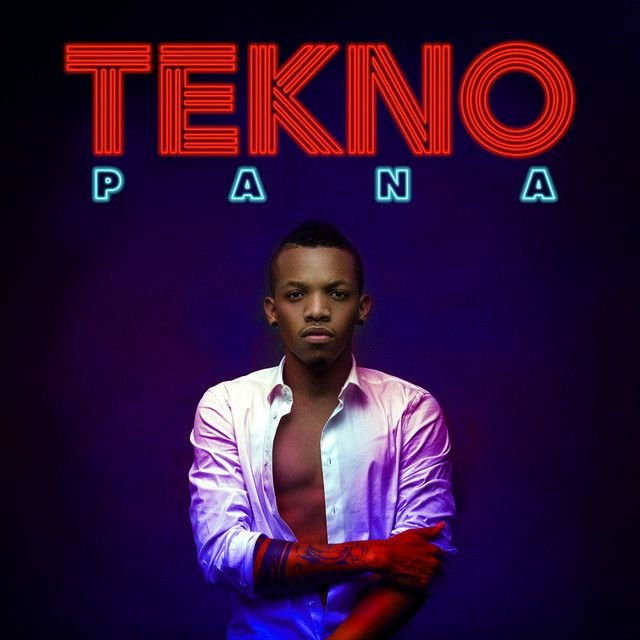
Released on 22 July 2016, “Pana” was written by Augustine Miles Kelechi, better known as Tekno, and produced by Krizbeatz. It became one of Tekno’s biggest songs, earning major chart success and awards recognition in African pop circles. Critics also noted its charm and hook-heavy design, with Music in Africa calling attention to its pop instincts and OkayAfrica praising its smooth feel.
A Love Song Built on Pursuit
At its core, “Pana” is about romantic pursuit. The singer is captivated almost immediately, and the lyrics focus less on emotional complexity than on attraction, attention, and promise. When Tekno opens with Folake, gimme love o
, the point is clear: the song begins with direct desire.
That directness continues in images of spending money, driving around, and putting on a show for the woman he wants. These details are not just bragging. They are part of Afropop courtship language, where confidence, style, and generosity become signs of affection.
Interpretation: the song is not asking whether love is possible. It acts as if the feeling is already real and now needs to be expressed through fun, persistence, and swagger.

Watch the official Pana
music video
What the Chorus Keeps Repeating
The chorus is why the song stayed in people’s heads. Tekno circles around a few teasing ideas: she likes trouble, he can match that trouble, and he will stay close no matter where she goes. A short phrase like Anywhere that you go
captures that chasing energy.
This refrain matters because it turns attraction into devotion, even if that devotion is light and playful. The repeated promise that his love will not die gives the song a bigger emotional claim than the verses alone. It says this is more than a passing crush, even if the mood stays breezy.
Playful Language, Not Formal Romance
Part of the meaning of Pana Tekno comes from how casually the song speaks. The lyrics mix English, Nigerian Pidgin, and local references. That blend makes the song feel lived-in and social, not polished in a stiff way.
The hook about you like wahala
is a good example. “Wahala” means trouble, but here it sounds flirtatious rather than serious. He is saying she has a bold or demanding energy, and he is ready for it.
Desire, Teasing, and Double Meaning
Some lines in “Pana” are openly cheeky. The best-known example is big cassava
, which many listeners read as a sexual boast. In plain terms, Tekno uses food imagery and coded slang to make the song more provocative without becoming explicit.
That matters because “Pana” thrives on innuendo. It wants to be danceable and radio-friendly while still carrying adult confidence. The lyrics flirt with boldness, but the delivery stays light enough that the song never feels heavy.
Interpretation: this balance helps explain the track’s crossover appeal. Listeners can enjoy it as a sweet love song, a club record, or a wink-filled seduction anthem.
Why the Names and Places Matter
Tekno fills the song with names and places that create texture. “Folake” gives the love interest a face, even if she also feels symbolic. Mentions like Gwagwalada and Lagbaja root the song in Nigerian culture, rhythm, and everyday style.
These references are important for U.S. listeners trying to understand the song. They show that “Pana” is not generic pop. It is local in language and imagery, even while its emotion is universal.
Love is a beautiful thing
Girl you dey cool my temper
Love is a wonderful tender feeling
You dey give me ginger
This is the clearest emotional center of the song. In this brief moment, Tekno steps away from teasing and says what the attraction actually does to him: it calms him, excites him, and makes love feel energizing.
How the Production Sells the Meaning
Krizbeatz’s production is essential to the song’s impact. Sources note that the beat was produced by Krizbeatz, and he later said it was not originally made for Tekno. That is a useful detail because Tekno still sounds completely at home on it.
The instrumental moves with a soft bounce rather than a hard attack. It sits in the Afropop lane with an R&B-like smoothness, which matches the song’s romantic angle. OkayAfrica described it as a “slow soother,” and that feels right: the beat glides instead of pushes.
Tekno’s vocal style also matters. He sings in a relaxed, melodic way, often treating words like percussive sounds. That is why even the playful syllables and repeated chants work. They are part of the rhythm as much as the meaning.
Why 'Pana' Became Bigger Than a Hook
Factually, “Pana” grew into a major hit across Africa and beyond, charting strongly and later reaching major streaming milestones. It also won Song of the Year at the 2016 Soundcity MVP Awards Festival and became one of Tekno’s signature songs.
But popularity alone does not explain its staying power. The song lasts because it understands a key pop truth: listeners often return to feeling before they return to plot. “Pana” gives them warmth, flirtation, rhythm, and confidence in one clean package.
The Best Way to Read the Song
The meaning of Pana Tekno is not hidden. It is a smooth, playful love song about being drawn to someone so strongly that admiration turns into pursuit, praise, and performance. Its words are simple on purpose, leaving space for groove, charm, and repeated listening.
Interpretation: some listeners may hear only surface-level romance, while others hear a clever balance of sweetness and seduction. Both readings fit the song.
In the end, “Pana” works because it does not over-explain itself. It invites listeners to dance first and decode second.
Disclaimer: Song meaning is always part fact and part interpretation. This reading is based on the lyrics, production, and publicly available context around the track.








