Venus by Television: Art, Euphoria, Escape
Television’s “Venus” feels like a walk through New York after dark where everything is bright, strange, and a little unreal. For listeners searching for the meaning of Venus Television, the song is less a straight story than a rush of sensation. It captures the feeling of being overstimulated, inspired, tempted, and then suddenly pulled back to earth.
"Venus" - Television
The world was so thin between my bones and skin
There stood another person who was a little surprised
Loading lyrics...
Unable to load lyrics
We're unable to display the lyrics at this time. Please try again later.
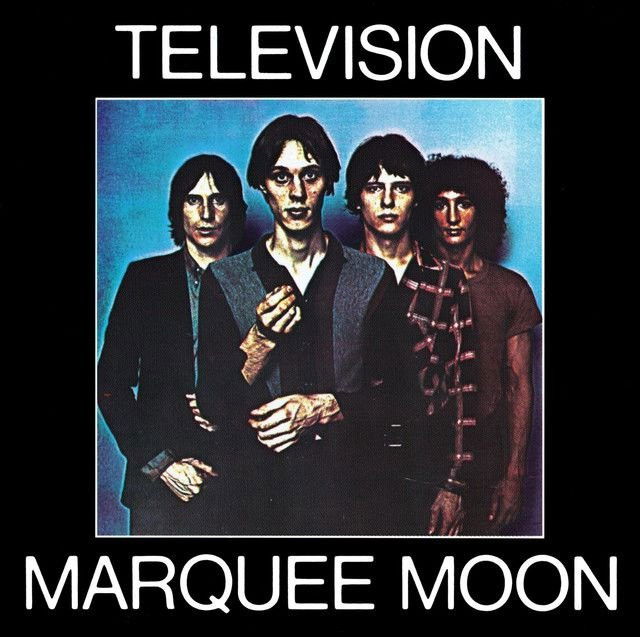
Written by Tom Verlaine and released on Television’s 1978 album Adventure, “Venus” keeps the band’s art-rock edge while sounding warmer and more open than the songs on Marquee Moon. That context matters. The band often mixed street-level realism with poetic images, and “Venus” may be one of their clearest examples of that balance.
The Heart of the Song: A Mind Flooded by the City
At its core, “Venus” is about a person moving through a vivid city night and feeling their senses become heightened. The opening images suggest that the world feels unusually thin and exposed, as if everyday barriers have dropped. When the narrator says the world is alive, they are not just describing a street scene. They are describing a state of mind.
Interpretation: the song seems to portray a brief ecstatic moment, where beauty, danger, friendship, art, and impulse all blend together. The key phrase arms of Venus De Milo
points to beauty, but not simple romance. Venus de Milo is a famous classical statue, so the image brings in ideas of art, ideal form, and desire. Falling into those “arms” sounds impossible, because the statue has no arms. That contradiction gives the song its dream logic.
In other words, this is not a love song in a literal sense. It is more about surrendering to an experience of beauty and intensity.
Watch the official Venus
music video
How the Verses Build the Song’s Meaning
The first verse presents a city that feels electric and almost too sharp to touch. A phrase like tight toy night
makes the evening sound both playful and compressed, like a small glowing object under pressure. The narrator seems shocked by how alive everything feels.
The next section pushes that feeling further. They compare the experience to some new kind of drug
, which suggests altered perception rather than addiction as a social issue. They are saying the world suddenly looks transformed. Even Broadway appears old and strange, almost like a book coming alive.
That mix of old and new is important. “Venus” is full of collisions: modern streets and ancient art, laughter and risk, freedom and restraint. The narrator is carried along by sensation, and the song lets listeners feel that drift.
Why the Chorus Matters So Much
The repeated return to Venus gives the song its emotional center. Each time the narrator “falls” into that symbolic space, the phrase means more than one thing at once:
- falling into beauty
- falling into temptation
- falling into artistic trance
- falling out of ordinary reality
Later, the song changes direction. The narrator does not stay lost in that state forever. They eventually pull away from it. That shift is what gives the song depth. It is not only about intoxication. It is also about limits.
A Small Story With a Sharp Turn
Near the end, the lyrics move from dreamy perception to a more concrete moment with a friend. Suddenly, a reckless idea enters the scene. The friend suggests something chaotic and performative, and the song briefly touches the edge between playful rebellion and real trouble.
let's dress up like cops
you better not
This is the song’s clearest turning point. Until then, the surreal mood feels exciting. Here, conscience breaks through. The narrator recognizes that the same energy feeding wonder could also feed bad decisions.
Interpretation: this is where the meaning of Venus Television becomes richer. Venus is not only beauty or pleasure. Venus may also stand for seduction itself—the pull toward whatever feels thrilling in the moment. Walking out of those arms means choosing reality over fantasy.
Art, Desire, and the Venus De Milo Symbol
The Venus de Milo reference gives the song much of its mystery. Because the statue is one of the most famous images of beauty in Western art, the title invites listeners to think beyond the street scene. The song’s “Venus” can suggest:
Beauty as a trance
The narrator seems overwhelmed by visual and emotional intensity. Beauty here is not calm. It hits like weather.
Art as something lived, not admired
Instead of standing in a museum, Venus enters the chaos of the city. Art becomes part of nightlife, memory, and motion.
Desire without a clear object
The song never settles into a simple relationship story. The longing seems aimed at a whole experience, not just one person.
How the Sound Carries the Meaning
Television’s sound is crucial to the song’s effect. Their twin-guitar style does not simply decorate the lyrics; it mirrors the unstable, shimmering mood. The guitars move with clarity, but they also feel slippery, as if the song is always half a step away from floating off.
The rhythm section keeps things grounded while Verlaine’s voice sounds alert, wiry, and slightly detached. That matters because the vocal delivery avoids melodrama. Instead of telling listeners how to feel, it lets the images flicker by. This gives “Venus” its art-rock tension: emotional, but never heavy-handed.
Compared with some of the more jagged work on Marquee Moon, “Venus” feels more melodic and luminous. That softer surface makes the inner tension easier to miss, but it is still there.
Final Reading: What “Venus” Really Means
The best way to understand the meaning of Venus Television is to hear it as a song about passing through a heightened state. The narrator feels sharpened, thrilled, and briefly absorbed by beauty and possibility. But they also sense the danger of going too far into that rush.
That is why the ending matters. They do not just fall; they also leave. The song honors the thrill of losing oneself, but it stops short of celebrating total surrender. In that sense, “Venus” is about art, impulse, and self-control all at once.
For many listeners, that mix is exactly why the song endures. It sounds like a city night, a gallery hallucination, and a moral decision happening at the same time.
Disclaimer: This interpretation is based on the released lyrics, recording, and available band context. As with many Television songs, some meanings remain open to personal interpretation.








