Why 'Moskow Diskow' Still Feels Futuristic
The meaning of Moskow Diskow Telex starts with a joke, but it does not end there. Telex made dance music that sounded sleek, robotic, and a little mischievous. In this song, they turn a night out into a stylish collage of clubs, travel dreams, and pop images.
"Moskow Diskow" - Telex
Moskow Diskow
Diskow Mokcow
Loading lyrics...
Unable to load lyrics
We're unable to display the lyrics at this time. Please try again later.
Telex came from Brussels and formed in 1978 with Marc Moulin, Dan Lacksman, and Michel Moers. They aimed to make something “really European” and fully electronic, with humor built in, according to background collected on the band’s history (Wikipedia). That context matters, because “Moskow Diskow” is not just a disco tune. It is a playful statement about what electronic pop could be.
The Song's Real Center Is the Dance Floor
On the surface, the lyrics are simple. They describe a lively evening, fashionable boys, automatic rhythms, cocktails, travel references, and a movie-star image. Put together, those details create a world where nightlife feels glamorous and slightly unreal.
The strongest clue is the line about nouvelle musique
and rythmes automatiques
. Before and after those phrases, the song clearly points to a new kind of pop built on machines and repetition. That is the heart of the song: dancing to music that sounds modern, synthetic, and intentionally artificial.
Interpretation: rather than telling a deep story, Telex seem to be capturing the feeling of stepping into a trendy club where everything is image, rhythm, and motion. The song enjoys that world, but it also keeps a cool distance from it.

Watch the official Moskow Diskow
music video
A Stylish Little Film of Nightlife
The verses move like snapshots instead of a full narrative. First comes the party mood in a cafe setting. Then the song notices chic young men and fantastic songs. After that, it shifts to post-dance drinks, then to fantasy travel, and finally to romance through celebrity imagery.
That structure matters. The song is less interested in personal emotion than in surfaces and scenes. A daiquiri, a train to Moscow, a direction toward Tokyo, and a photo of Brigitte Bardot all feel like symbols of sophistication rather than concrete events.
Et quand la danse est finie
On boit un grand daiquiri
Even in this brief moment, the song treats the end of dancing like part of the same performance. The night never becomes intimate or confessional. It stays cool, chic, and cinematic.
What the Chorus Does So Well
The hook Moskow Diskow
is one reason the song lasts. It sounds catchy, strange, and easy to remember. It is almost nonsense, but not quite. “Moscow” suggests geopolitics, distance, and Cold War atmosphere, while “disco” suggests pleasure, movement, and pop culture.
Putting those sounds together creates a fun clash. East meets dance floor. Serious place-name meets silly club chant. That tension gives the song its identity.
Interpretation: the chorus may be less about Moscow itself and more about how pop music turns faraway places into fashionable signs. Telex compress a whole mood into a phrase that feels both international and artificial.
The Sound Explains the Meaning
If someone wants the meaning of Moskow Diskow Telex, they have to hear how the record works. Telex were known for making music entirely from electronic instruments and for avoiding standard rock habits like guitar-centered swagger (Wikipedia). That choice shapes the song’s message.
The beat feels mechanical on purpose. The synths are bright but controlled. The vocals are cool, almost detached, which keeps the song from sounding sweaty or sentimental. Instead of presenting disco as raw release, Telex present it as design.
This is why the lyric about automatic rhythms feels so important. The production does not just accompany those words; it proves them. The track sounds like a dance floor run by machines, and that is exactly the point.
Telex, Humor, and European Cool
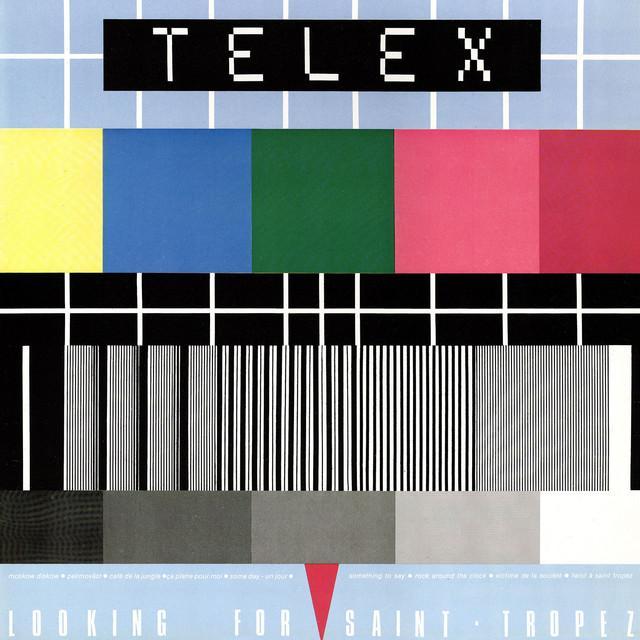
Telex often mixed sincerity with irony. Their wider career included deliberately banal lyrics, deadpan presentation, and a refusal to act like a normal rock band (Wikipedia). “Moskow Diskow,” first released on their 1979 debut Looking for Saint Tropez, became their best-known international hit.
That background helps explain why the song feels light without being empty. They were not mocking dance music from outside it. They were using electronic pop to show how modern life can feel glamorous, funny, and mass-produced all at once.
The references to train de moskow
and Brigitte Bardot
fit that style. They are not developed symbols in a poetic sense. They are quick icons, like images in a magazine spread or flashes in a TV ad.
Two Strong Ways to Read It
There are at least two solid readings of the song:
- Celebration of club culture. The song enjoys fashion, rhythm, nightlife, and the thrill of the new.
- Gentle satire of trendy modernity. The song hints that club culture runs on poses, borrowed images, and stylish emptiness.
Both readings can be true at once. That blend is what makes Telex interesting. They sound like they are dancing and smirking at the same time.
Why the Song Still Connects
“Moskow Diskow” still feels fresh because modern pop never stopped loving cool surfaces, global imagery, and machine-made rhythm. Telex heard that future early. They turned disco into something sleek, witty, and unmistakably European.
So the meaning of Moskow Diskow Telex is not hidden in a complicated plot. It lives in the mix of nightlife fantasy, synthetic sound, and playful distance. The song captures what it feels like when pop becomes fashion, travel dream, and dance command all at once.
That is why it still sounds modern.
Disclaimer: This article offers informed interpretation based on the song’s lyrics, sound, and documented artist context. Meaning can remain open, and listeners may hear it differently.








