Why Tems' "Try Me" Feels Like a Warning
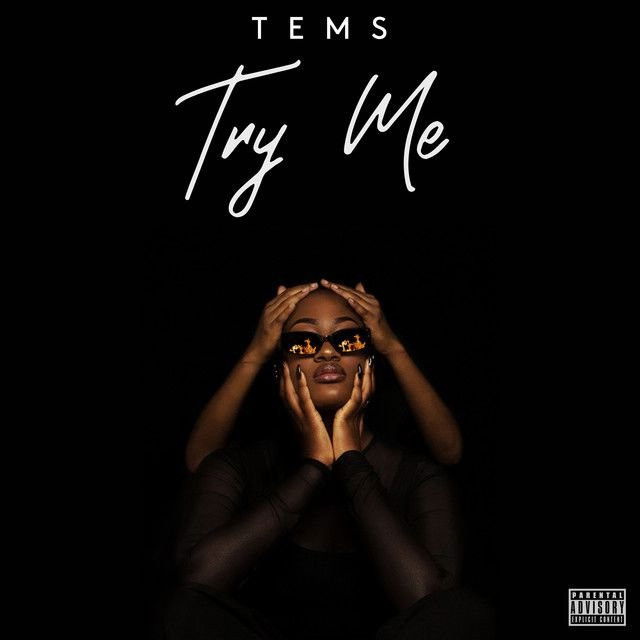
The meaning of Try Me Tems becomes clear almost immediately: this is a song about pressure, envy, and survival. It sounds like a warning shot, but it also feels like self-protection. Tems does not present the speaker as fragile. They sound cornered at moments, yet still fully aware of their strength.
"Try Me" - Tems
Yeah, yeah, yeah, yeah, yeah
Yeah
Loading lyrics...
Unable to load lyrics
We're unable to display the lyrics at this time. Please try again later.
Released on For Broken Ears, the song helped define Tems' early artistic identity as a writer who could turn inner conflict into something forceful and unforgettable. According to major music databases and release listings, "Try Me" appears on that 2020 EP, and the song is credited to Temilade Openiyi and Urenmisan Emmanuel Solo Edema.[1][2]
The Real Conflict at the Center
At the heart of the track, the speaker is dealing with opposition from people who want to control, diminish, or provoke them. The opening lines pile up painful actions, suggesting emotional attack and attempted erasure. In plain terms, the song starts with the feeling of being pushed to a breaking point.
But then the message shifts. Instead of staying in victim mode, the speaker answers back. When Tems sings I'm winning
and I'm shining
, the song reframes suffering as proof of momentum. The people attacking them are not powerful; they are reacting to someone already rising.
Interpretation: This is why the chorus matters so much. The repeated question is not confusion. It is confrontation. Asking why you wanna try me?
sounds less like fear and more like disbelief that anyone would test someone this resilient.

Watch the official Try Me
music video
A Voice That Sets Boundaries
One of the smartest things about the song is how direct its language is. There is no complicated story to decode. The speaker names what is happening: someone is trying to hurt, distract, and challenge them. That honesty gives the song its punch.
When the lyrics say stay in your lane
, the phrase works as a boundary. The speaker is telling the other person that access has been cut off. This is not just anger; it is control returning.
There is also a strong sense of identity running through the track. The line about not being the same creates distance between the speaker and the people around them. In other words, this conflict is not just about one argument. It is about refusing to be reduced by people who do not understand their value.
How the Song Moves From Fear to Power
A simple timeline helps show how the lyrics build meaning:
- The song begins with imagined harm and emotional pressure.
- The speaker identifies outside hostility and envy.
- The chorus challenges the people causing that harm.
- A turning point arrives with the image of breaking free at night.
- The ending turns repeated attacks into proof of endurance.
That middle section is especially important. When Tems sings about waking in the night and breaking chains, the song introduces escape and rebirth. The darkness is still there, but now it becomes the place where freedom begins.
Broke out of my chains
Stay in your lane
Those short lines carry a lot of weight. First comes release, then comes a demand for distance. The sequence shows the speaker moving from survival into authority.
Fire, Smoke, and Destruction as Symbols
The song's most striking image compares the speaker to something flammable, with the other person bringing the spark. Paraphrased, the idea is that some people approach them only to ignite chaos. The fire image suggests hostility, temptation, and danger all at once.
Interpretation: Yet the symbol may also work in reverse. Fire destroys, but it also purifies and transforms. So when the song circles around being set alight, it can imply that attacks only reveal the speaker's true force. What others mean as destruction becomes fuel.
There is a second key symbol: chains. Chains suggest control, limitation, or emotional captivity. Escaping them means the speaker is no longer defined by whoever tried to trap them. That makes the song not just defiant, but liberating.
Why the Sound Makes the Message Hit Harder
Tems has often been recognized for her textured voice and genre-blending style, qualities widely noted in coverage of her rise across R&B, alt-pop, and Afro-fusion spaces.[3][4] "Try Me" uses that voice carefully. She does not oversing the message. Instead, they let repetition, tone, and space do the work.
The production feels sparse and moody, which helps the lyrics land with more force. There is room around the beat, and that emptiness creates tension. Rather than sounding chaotic, the track feels controlled, almost cold. That matters because the speaker is being tested, but they never sound defeated.
The hook also repeats key words in a way that mimics harassment or pressure. By the end, though, that repetition flips into determination. The same phrases that might have sounded wounded at first now feel unshakable.
Artist Context Changes the Reading
In the context of Tems' early career, the song can also be heard as a statement of self-definition. For Broken Ears introduced listeners to an artist who was not chasing polish for its own sake. They leaned into mood, honesty, and emotional edge.[1][3]
Interpretation: That context makes "Try Me" feel bigger than a single conflict. It can be heard as a message to doubters, gatekeepers, exes, competitors, or even the music industry itself. The lyrics stay broad enough to support all of those readings, which is part of why the track connects so strongly.
The Lasting Meaning of "Try Me"
The meaning of Try Me Tems lies in its balance of vulnerability and strength. The song admits that attacks hurt, but it refuses to let hurt have the final word. Its message is simple: people may come with pressure, jealousy, or attempts to distract, but the speaker will keep moving.
That is why the song still resonates. It gives listeners a language for feeling targeted without surrendering their dignity.
Disclaimer: This article offers interpretation based on the song's lyrics, sound, and publicly available credits. Meaning can vary from listener to listener.








