Why 'FOR YOU' by Teni and Davido Feels So Direct
A Love Song Built on Waiting and Promise
The meaning of FOR YOU Teni, Davido starts with a simple idea: they present love as total commitment. The speaker is awake late, anxious, and still hoping for a response. That opening image matters because it turns the song from a flashy romance track into something more vulnerable.
"FOR YOU" - Teni, Davido
Oh uh uh uh
Ehen eh
Loading lyrics...
Unable to load lyrics
We're unable to display the lyrics at this time. Please try again later.
When they sing about waiting at midnight and praying, the song shows impatience mixed with devotion. A short phrase like wait for your call
is not just about a phone. It stands for emotional dependence. The lover wants reassurance, and the night setting makes that feeling stronger.
This is why the track works so quickly. It gives two sides of romance at once: soft need and big promises. One person is restless and exposed, but they answer that feeling by offering everything they have.

Watch the official FOR YOU
music video
What the Hook Really Means
The chorus is the heart of the song. Repeating all my ego na for you
and gbogbo owo mi na for you
turns affection into a vow of total giving. In Nigerian Pidgin and Yoruba-inflected phrasing, the lines point to money, resources, and status. In plain terms, the speaker says their wealth and effort belong to the person they love.
That does not mean the song is only about material gifts. Interpretation: the money language is really a shortcut for seriousness. In many pop love songs, saying “I’ll spend on you” can sound shallow. Here, because it follows loneliness and waiting, it sounds more like proof. The speaker cannot control the other person’s feelings, so they offer tangible signs of loyalty.
The repeated image of cars in the garage pushes this even further. Luxury becomes a symbol, not the whole message. They are saying: everything they built, earned, or dreamed about can be shared.
Teni and Davido Play Different Roles
Teni’s presence gives the song its emotional center. Their delivery carries warmth, pleading, and playfulness at the same time. Even when the words are simple, the voice suggests someone trying hard not to lose a bond.
Davido enters with a star persona that fits the theme of grand devotion. His lines such as Thirty Billi for you
and put my life on the line
make the promises sound bigger and more public. He does not undercut the tenderness; he amplifies it. The feature works because Davido sounds like someone used to speaking in large gestures.
That contrast helps the song. Teni brings closeness. Davido brings scale. Together, they turn a private feeling into an anthem of romantic excess.
A Short Narrative Hidden in Repetition
Even though the song is repetitive, it still has a clear arc. It moves through three emotional steps:
- The speaker waits and worries.
- The speaker reassures the lover that they mean no harm.
- The speaker offers everything they own or represent.
That middle step is important. When they say they want to show the lover their world and insist they will not mistreat them, the song shifts from desire to persuasion. They are not only praising the other person. They are trying to earn trust.
I still dey pray oh oh oh oh
I still dey pray oh oh yeah
This brief moment sums up the emotional logic of the track. Before the wealth and bravado, there is hope. The speaker wants the relationship badly enough to wait, ask, and even pray.
How the Sound Carries the Meaning
The production gives the song its easy pull. It sits inside polished Afropop, with a steady mid-tempo groove, soft percussion, and a melodic bounce that keeps the mood light even when the lyrics suggest worry. The beat does not sound tragic. Instead, it sounds reassuring, almost like the song believes love will work out if the promise is strong enough.
That matters for meaning. If the production were darker, the lyrics could feel desperate. Here, the rhythm softens the tension. The song invites listeners to hear commitment as sweet and generous, not heavy.
The credited producer tag, Rhythm a cool Ayo
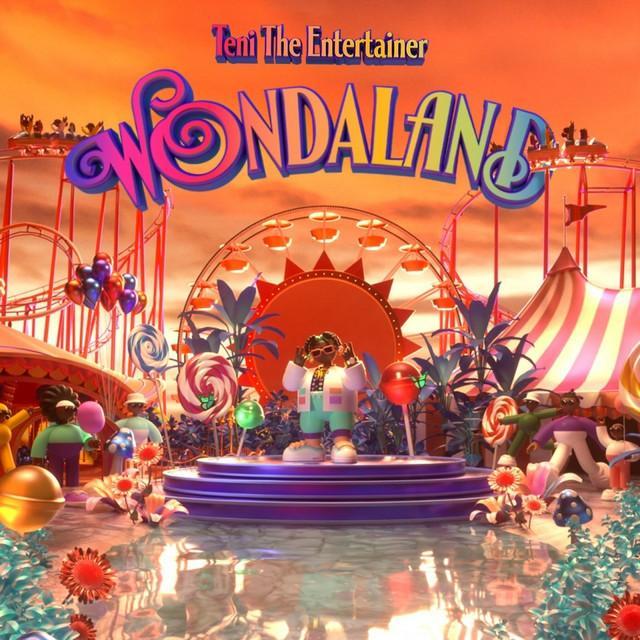
, also hints at a maker comfortable with smooth, radio-friendly textures. Teni’s catalog, including the acclaimed Wondaland, often balances humor, heart, and accessibility, while Davido’s rise as a global Afrobeats star is well documented by outlets like Billboard. That larger context helps explain why the song aims for instant emotional clarity instead of layered mystery.
Themes Beneath the Flash
Several themes run through the song:
Devotion as Action
The song treats love as something that must be shown. Words alone are not enough. Money, time, waiting, prayer, and protection all become proof.
Romance and Status
Cars, cash, and scale are part of the language of attraction here. But they are framed as offerings, not self-praise. Interpretation: status matters because it can be converted into care.
Fear of Rejection
Under the confidence, there is insecurity. The midnight waiting and repeated assurances suggest a person who wants certainty but does not fully have it.
Why the Song Connects So Easily
One reason listeners respond to this track is its clarity. The emotion is easy to recognize, even if the language blends English, Pidgin, and local phrasing. Anyone can understand the main feeling: they would give a lot, maybe everything, to keep this person close.
Another reason is chemistry. Teni and Davido both know how to make romantic lines feel conversational. The song never sounds academic or distant. It sounds like a promise made in real time.
Final Take on the Song's Message
The meaning of FOR YOU Teni, Davido is not complicated, but it is effective. It is about longing that turns into generosity, and about using every available language—emotion, money, prayer, and prestige—to say one thing: this person matters most.
Interpretation: at its core, the song argues that real desire is both vulnerable and extravagant. They are not embarrassed to need love, and they are not shy about proving it.
Disclaimer: This interpretation is based on the lyrics, performance, and available public context. As with any song, listeners may hear different meanings in it.







