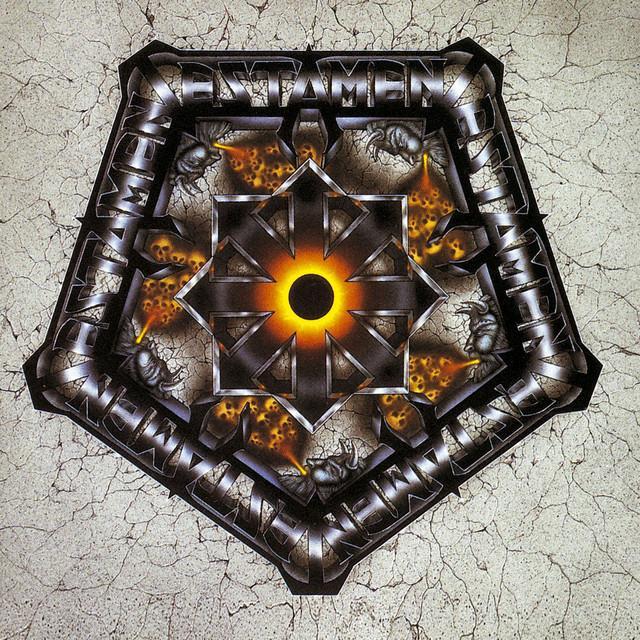
Electric Crown by Testament
The meaning of Electric Crown Testament centers on power that looks impressive from the outside but feels hollow, fearful, and fatal once someone wears it. Testament wraps that idea in images of public judgment, wasted life, and a speaker who seems to walk calmly toward an ending they can already see.
"Electric Crown" - Testament
The people show
Victims of tomorrow
Loading lyrics...
Unable to load lyrics
We're unable to display the lyrics at this time. Please try again later.
A Thrash Song About Power With No Glory
On the surface, "Electric Crown" sounds like a dark story song. It moves through crowds, prayer, silence, and a final reckoning. But beneath the plot, the track is really concerned with what power does to a person.
The crown in the title is not presented as noble. It feels corrupted and dangerous. When the lyric points to electric crown
, it turns a classic symbol of rule into something mechanical, cold, and possibly lethal. Interpretation: that suggests a leader, sinner, or condemned figure whose status is more curse than prize.
The opening also sets up a world of emotional emptiness. Phrases like victims of tomorrow
and nothing left inside
describe people already drained before the end even arrives. The song is less about one sudden tragedy than about a long spiritual collapse.

Watch the official Electric Crown
music video
What the Story Seems to Show
The lyrics unfold almost like scenes in a final march. A simple way to read the sequence is:
- A damaged speaker looks at a wasted life.
- They admit guilt and try to justify it.
- They sense judgment coming.
- A public ritual or punishment takes place.
- What remains is emptiness, not triumph.
That middle stretch matters most. The speaker says they justify their crimes and then repeats that they will soon arrive at some final destination. That creates a mood of inevitability. They are not fighting fate so much as moving toward it.
A short phrase like I got my reasons
makes that even darker. They sound committed to their path, even if it ends in ruin. Interpretation: this could be a portrait of pride, where a person keeps defending terrible choices right up to the point of destruction.
The Chorus Turns Wandering Into Destiny
The repeated wandering imagery gives the song its emotional core. The speaker moves through change of seasons
, which suggests time passing, aging, and the approach of death or judgment. Seasons change whether anyone is ready or not.
That is why the refrain lands so hard. The speaker realizes they will soon be "there," but the song never fully defines where "there" is. That ambiguity makes the line stronger. It could mean death, prison, execution, hell, or simply the final result of a ruined life.
As I wander
Change of seasons
As I realize
That I'll soon be there
Interpretation: this is the song's clearest statement of surrender. The voice is no longer bargaining. They have moved into acceptance.
Symbols That Give the Song Its Bite
Several images carry the meaning without needing much detail.
The crown
A crown normally means victory or authority. Here it feels false. The person wearing it is not secure. They are exposed.
The reaper and preacher
These figures bring death and judgment into the same scene. The reaper points to physical ending; the preacher suggests moral reckoning. Together, they make the song feel both worldly and spiritual.
Silence and emptiness
By the end, the public spectacle fades into absence. The final image of a person reduced to traces of bitterness is devastating because it strips away all grandeur.
Why the Music Matters So Much
Part of the meaning of Electric Crown Testament comes from how it sounds. Testament were part of thrash metal's late-1980s rise, following their debut The Legacy in 1987 and the breakthrough years that followed. In a Songfacts interview, Chuck Billy said "Electric Crown" was largely written by Alex Skolnick and was "one of the more melodic-inspired songs" at that time.
That detail matters. The song does not rely only on speed or aggression. Its memorable melody makes the fatalism feel bigger, almost ceremonial. The riffs still hit hard, but the structure gives the track a haunted, stately feel that fits the title image of a crown.
Billy also said Atlantic Records wanted the next video or single, and this became the one they chose in that same Songfacts interview. That likely helped cement the song's place in the band's catalog. Its hook and clarity made a grim message feel accessible without softening it.
Artist Context and Meaning Limits
There is an important limit to any firm explanation. In the same Songfacts interview, Billy said he did not really know what Skolnick was thinking when he wrote it. He contributed a little, but he was not the main source of the song's concept.
So no critic can honestly claim there is one confirmed meaning. The strongest reading is still that the song studies doomed authority and inner decay. But that should be labeled as interpretation, not fact.
Final Take on the Song's Message
The meaning of Electric Crown Testament is most convincing when they read it as a warning: power without soul ends in public and private collapse. The song shows a person who may have held status, made excuses, and clung to pride, only to find that nothing solid remains.
What makes the track endure is that it never turns that warning into a lecture. It keeps the images sharp, the melody memorable, and the ending unresolved enough for listeners to project their own fears onto it.
Disclaimer: This article offers interpretation based on the lyrics, known writing credits, and band commentary. Because Testament have not provided a full confirmed explanation of every lyric, some meaning remains open to listener interpretation.







