I Like America & America Likes Me by The 1975
Why This Song Feels So Panicked
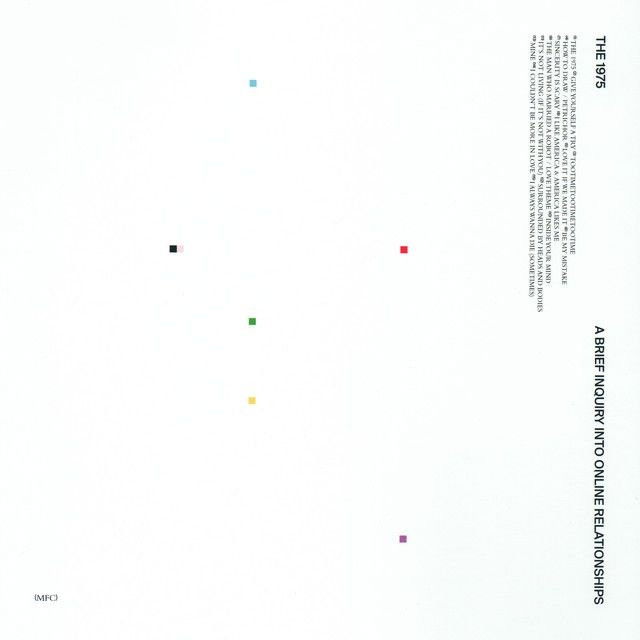
The meaning of I Like America & America Likes Me The 1975 starts with a clash: private fear meets public chaos. Released on A Brief Inquiry into Online Relationships in 2018, the track sits inside an album that often studies modern life, media overload, and emotional distance. According to the band’s album materials and credits, the song was written by the four members and produced by Matty Healy and George Daniel.
"I Like America & America Likes Me" - The 1975
Is that on fire?
Am I a liar? Ooh
Loading lyrics...
Unable to load lyrics
We're unable to display the lyrics at this time. Please try again later.
At its core, this song sounds like a person trying to speak clearly while the world around them keeps speeding up. The repeated fear of mortality, the references to image, fashion, violence, and youth activism all point to a mind under pressure. Rather than telling one simple story, the song stacks anxieties until they blur together.

Watch the official I Like America & America Likes Me
music video
A Title About America, But Not Just America
The title echoes a famous 1974 performance work by artist Joseph Beuys, who spent time in a gallery with a coyote. That reference matters because it frames America as an idea, a symbol, and a relationship rather than just a place. In The 1975’s song, America seems to represent spectacle, danger, desire, and attention all at once.
Interpretation: They appear less interested in making a neat political statement than in showing what it feels like to live inside a culture of fear and performance. The song points to the U.S., but its themes are wider: mass violence, consumer identity, and the pressure to always be visible.
The Main Emotional Thread: Fear in Public
The blunt opening thought, I'm scared of dying
, gives the song its center. Everything after that can be heard as an expansion of that fear. The speaker is not only afraid of literal death. They also seem afraid of numbness, dishonesty, and being unheard.
That is why the song keeps bouncing between body imagery, social commentary, and pleas for attention. When the lyrics ask, Would you please listen?
, they turn private panic into a public appeal. It is not just one person asking for help. It sounds like a whole generation demanding that adults notice what is broken.
Being young in the city
Belief and saying something
Those lines are short, but they carry a lot. They suggest young people trying to hold onto conviction while living in a noisy, unstable world.
Violence, Fashion, and Numbness
One of the song’s sharpest moves is how it puts consumer desire next to fear. The line Kids don't want rifles
quickly turns toward status fashion with they want Supreme
. The point is not that fashion is trivial and politics are serious. It is that modern culture often sells identity through brands while real danger remains close by.
That contrast makes the song feel uneasy. Youth are shown as both vulnerable and absorbed into hype. They want meaning, style, safety, and a voice, all at the same time. The song does not mock that confusion. It presents it as the condition of being young in a media-saturated age.
Interpretation: The mention of rifles likely evokes the American reality of gun violence and school-shooting anxiety, while the fashion reference suggests how capitalism can redirect attention from structural problems into consumption.
The Strange Images of Fire and Skin
The lyrics keep returning to heat, desire, and exposure. Phrases like My skin is fire
make the body sound both attractive and endangered. Fire can suggest lust, panic, fame, drugs, or social collapse. That ambiguity is part of the song’s power.
The speaker also asks whether things are “designer” or “on fire,” blending luxury and emergency. In this world, branding and disaster look strangely close. What should feel different begins to feel the same: a crisis can be packaged, and style can hide pain.
How the Production Deepens the Meaning
The production is crucial to understanding the track. The 1975 build it around heavy vocal processing, clipped rhythms, and a fragile, almost suffocated lead performance. The Auto-Tuned sound does not simply modernize the song. It makes the voice seem trapped behind glass.
That matters because the lyrics are begging to be heard. The technology creates distance even as the words ask for closeness. This is a smart fit for an album about online life and broken communication.
The beat also feels restless rather than triumphant. It has energy, but not comfort. The result is a pop song that moves like anxiety: repetitive, catchy, and hard to settle into.
Artist Context Helps Explain It
Matty Healy has spoken in different interviews about American culture, youth fear, and the pressure of modern media, all recurring themes in The 1975’s work. The band has also often mixed intimate confession with broader social observation, which is exactly what happens here.
This song arrived during a period when public debate in the United States was filled with talk about shootings, activism, internet radicalization, and image culture. Listeners heard those tensions in the track, even though the lyrics stay impressionistic instead of direct.
Two Strong Readings of the Song
Reading One: A protest song in fragmented form
By pairing requests to be heard with references to violence and youth, the song can be read as a portrait of a generation living under threat. In this reading, its broken structure mirrors broken public life.
Reading Two: A panic attack set to pop
The repeated lines, self-questioning, and overwhelmed imagery also support a more inward reading. Here, the song is about spiraling thoughts, where politics, identity, and bodily fear all merge into one rush of feeling.
Both readings can be true at once. That overlap is likely why the song has lasted with fans.
What the Song Ultimately Says
The meaning of I Like America & America Likes Me The 1975 is less about liking America in any simple sense than about surviving what America represents: noise, desire, violence, youth culture, and performance. The song captures what it feels like when fear becomes ambient and even a plea for help has to fight through distortion.
Their message is not tidy, but it is clear enough: young people are speaking, they are frightened, and they want to be heard before panic becomes normal.
Disclaimer: This interpretation mixes verified context with critical reading. Songs can support more than one meaning, and listeners may hear different emphases in the lyrics and production.









