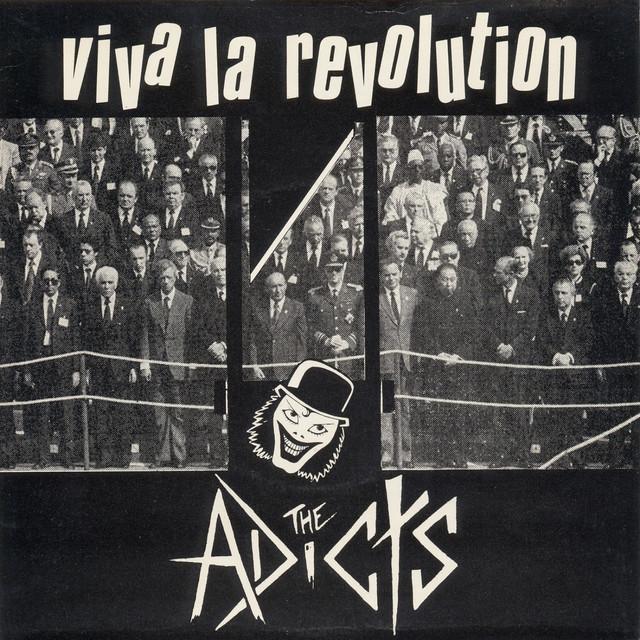
Viva La Revolution by The Adicts
The meaning of Viva La Revolution The Adicts starts with a simple idea: they turn rebellion into a party. The song imagines people rising up against control, but it does so with a grin, a chant, and a street-level sense of togetherness. Instead of sounding heavy or tragic, it frames revolt as something public, noisy, and almost carnival-like.
"Viva La Revolution" - The Adicts
The people has risen we're free again
Come out of the closet
Loading lyrics...
Unable to load lyrics
We're unable to display the lyrics at this time. Please try again later.
The Adicts are widely known for mixing punk with theatrical showmanship, including their clockwork-inspired image and crowd-pleasing stage style, as noted in band histories and music references such as AllMusic and The Adicts' official site. That context matters here. Even before listeners unpack the lyrics, the band’s style suggests that this is not a dry political essay. It is a performance of rebellion.
A Revolution That Feels Like Release
At the lyric level, the song opens in a dark place and then rushes toward liberation. It begins with confinement and threat, then quickly flips into collective freedom. When the lyric points to people rising and becoming free again, it sets up a classic punk storyline: power has pushed people down, and now they refuse to stay there.
A key detail is how often the song calls people outward. Phrases like come out of the hole
and open your minds
are not just literal commands. They suggest leaving fear, silence, and passivity behind. The revolution is political on the surface, but it is also mental and social. They are asking listeners to stop hiding.
Interpretation: this makes the song broader than a simple overthrow fantasy. It can be heard as a call to think independently, find one’s people, and reject the roles that authority assigns.

Watch the official Viva La Revolution
music video
Who They Are Singing To
The song speaks to a crowd, not a single person. The voice feels communal and urgent, using group language and direct orders. That matters for the meaning of Viva La Revolution The Adicts, because the track is built less like a confession and more like a rally.
The people being addressed are outsiders, rebels, and anyone stuck on the margins. The lyrics invite them from closets, holes, and woodwork into a shared movement. In plain terms, the song imagines isolated people becoming a visible force.
There is also a punk edge in the way the song lumps together rebels, fighters, and bandits. It romanticizes the rough, unwanted, or dismissed. Punk often does that: it gives status to the people mainstream culture treats as trouble.
How the Images Build the Theme
The imagery is simple but effective. Doors and windows opening suggest access and awakening. Flags and raised voices suggest public action. Streets and carnival scenes turn revolution into a community event.
One of the smartest turns in the lyric is the jump from smashing old symbols to praising new ones. The song briefly recognizes that revolutions do not just destroy. They replace one set of meanings with another. When it celebrates hope and dream imagery, it shows that revolt needs belief, not just anger.
Raise our voices, raise our flag
Long live our hopes
Those brief lines capture the emotional center. The point is not only to fight. It is to claim a future worth cheering for.
The Chorus Turns Protest Into Chant
The title phrase works because it is instantly memorable. It sounds like a slogan, and slogans matter in punk because they invite participation. A crowd can shout them back. That turns the song from a message into an event.
Interpretation: the chorus is intentionally larger than any one cause. By keeping the message broad, The Adicts let listeners pour their own frustrations into it. For one person, that may mean politics. For another, it may mean boredom, class resentment, or personal escape.
That openness helps explain the song’s staying power. It is specific enough to feel exciting and vague enough to travel across scenes and generations.
Why the Music Matters as Much as the Words
The Adicts are often associated with punk, new wave touches, and a theatrical, singalong-friendly attack, documented by sources like Trouser Press and AllMusic. Even without diving into studio minutiae, the song’s likely effect is clear: brisk tempo, shouted vocals, and a repetitive hook make the revolutionary message feel immediate.
That sound changes the meaning. If these words were delivered as a slow, serious ballad, they might seem grim or doctrinaire. In The Adicts’ hands, they feel playful, defiant, and communal. The bounce in the performance tells listeners that uprising is not only struggle. It is release.
The lyric dance in the streets
sums that up well. Celebration arrives before the song ends, and that choice is crucial. They are not imagining revolution as endless sacrifice. They are imagining the joy of finally taking up space.
A Few Strong Alternate Readings
There are at least two useful ways to read the song:
- Political reading: it dramatizes a populist uprising against wealth and power, especially when it gestures toward the rich and public victory.
- Punk-culture reading: it is a metaphor for subculture itself, where misfits step out, unite, and create a louder world of their own.
Both fit the text. The final line about this not being the last revolution even suggests an ongoing cycle. Rebellion is not a one-time event. It keeps returning whenever people feel boxed in.
Why It Still Connects
The meaning of Viva La Revolution The Adicts lasts because it combines three things people rarely get at once: anger, hope, and fun. The song acknowledges oppression, but it refuses to sit in despair. It asks people to think, gather, shout, and celebrate.
That is why the track feels bigger than its words on the page. The revolution here is not only about seizing power. It is about becoming visible together.
Disclaimer: This interpretation is based on the lyrics, the band’s known style, and public music history. Like most punk songs, it can support more than one valid reading.







