Why 'Dry County' Turns Boredom Into a Mood
The meaning of Dry County The B‐52s starts with a scene many listeners know well: a hot day, no plans, and nowhere worth going. On the surface, the song sounds loose and easy, almost like a porch-side daydream. But beneath that relaxed surface, it captures a sharper feeling. It is about being stuck in a place so quiet and limited that even summer freedom starts to feel like a trap.
"Dry County" - The B‐52s
I've got nothing to do
Let the wind blow round my head
Loading lyrics...
Unable to load lyrics
We're unable to display the lyrics at this time. Please try again later.
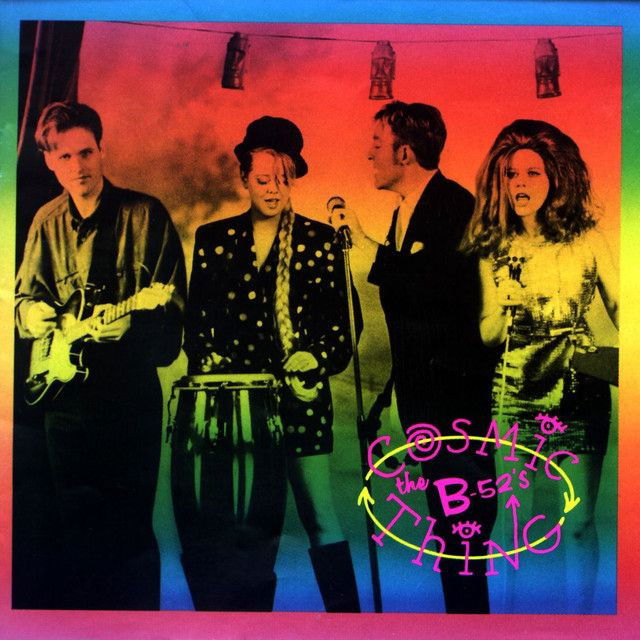
The B-52s have long balanced silliness, style, and social observation. On songs across their official discography, they often turn everyday spaces into vivid little worlds. “Dry County” fits that habit. They take a sleepy setting and make it funny, hazy, and slightly sad all at once.
The Real Heart of the Song
At its core, “Dry County” is about boredom, heat, and small-town restriction. The title matters. A dry county is a place where alcohol sales are banned or limited, but in the song that idea works as more than a legal detail. It becomes a symbol for a place with few outlets, few thrills, and very little room for release.
The opening presents a soft, drifting state. The narrator talks through one of those empty summer days, with nothing urgent to do and no real pressure to move. Phrases like lazy days
and sit on the porch and swing
suggest rest, but they also hint at stillness that has gone too far.
That is the song’s main trick: it makes idleness sound good, then slowly shows how close idleness can be to frustration.

Watch the official Dry County
music video
When Relaxation Starts Feeling Like Stagnation
Early lines describe letting the wind move around them and trying to shake off sadness. The advice to push the blues away gives the song a light comic tone. Still, that humor has a purpose. It shows people trying to manage low spirits with whatever comfort is available: a porch, a breeze, a little laughter, and time.
This is not a dramatic heartbreak song. It is a song about low-level emotional wear and tear. The heat, the haze, and the empty road all mirror a mental state where they are not exactly crushed, but they are not fulfilled either.
Interpretation: the blues in this song are not just sadness. They may stand for cabin fever, restlessness, or the dull ache of being under-stimulated. When life offers too little, even a calm day can feel heavy.
The Chorus Gives the Joke a Sting
The song sharpens when other people enter the picture. The line about the girls coming up the road introduces motion and possibility. For a moment, it sounds like something might happen. Then the song undercuts that hope: what they want to do
cannot happen because it is a dry county
.
That refrain is catchy, but it also carries the whole theme. The county is “dry” in more than one sense. It is dry in policy, dry in atmosphere, and dry in spirit. Nothing is flowing. Nothing opens up.
Nowhere to go
It’s a dry, dry county
Those short lines sum up the song’s emotional world. It is not only about alcohol being unavailable. It is about options being unavailable.
Summer Imagery With Dust on It
One reason the song works so well is its imagery. The weather is not refreshing. It is thick and sleepy. The day has them in a haze, and even the wind carries dust. When the song mentions dust devils blowing
, it adds a dry, almost deserted feel to the setting.
That detail matters because The B-52s do not paint summer as pure freedom here. This is not beach-party summer. It is roadside summer. Porch summer. Waiting-around summer.
The images create a whole social setting:
- front porches n- empty roads
- kids or young adults with time to kill
- laughter that covers frustration
- heat that slows everything down
In that setting, doing nothing becomes both survival and surrender.
How the Sound Supports the Meaning
Musically, “Dry County” leans into an easy, swaying groove. The rhythm feels unhurried, matching the image of rocking on a porch. The vocals also help sell the mood. Rather than sounding panicked or deeply wounded, they sound conversational and loose, which makes the song’s disappointment feel lived-in.
That production choice is important. If the band had made the track harsher or faster, it would have become a protest song. Instead, they make it feel humid and drowsy. The result is more believable. People in this world are not staging a rebellion. They are trying to get through the day.
This kind of character sketch is part of what made The B-52s distinctive as a new wave and pop group, a reputation noted by the Rock & Roll Hall of Fame. Even in a lighter song, they can build a place, a mood, and a social scene in a few quick images.
A Small-Town Snapshot, Not a Big Plot
There is very little plot in “Dry County,” and that seems intentional. The song is built from a mood instead of a story arc. It moves from waking up blue, to sitting still, to seeing people on the road, to realizing there is nowhere useful to go.
That limited movement mirrors the characters’ limited world. They do not travel far because the point is that they cannot. The song traps them in a loop of heat, haze, and half-amusement.
Interpretation: listeners can hear this as a portrait of Southern or rural boredom, but the feeling is broader than any one region. Anyone who has grown up in a place with too few outlets may recognize it at once.
Final Take on the Meaning
The meaning of Dry County The B‐52s is less about one event than one atmosphere. They turn a lazy summer day into a study of restriction, restlessness, and making do. The song smiles at boredom, but it never pretends boredom is harmless.
That mix of humor and weariness is what gives the track its staying power. They capture the odd feeling of being free all day but still unable to do much with that freedom.
Disclaimer: This interpretation is based on the lyrics, musical choices, and known artist context. As with many songs, listeners may hear different meanings in the same details.








