Why "Hero Worship" Feels So Disturbing
The meaning of Hero Worship The B‐52s comes through fast: this is not a sweet tribute to admiration. It is a tense, strange song about devotion turning unhealthy. Instead of celebrating a star, the track shows what happens when a follower cannot accept a hero as human, mortal, or gone.
"Hero Worship" - The B‐52s
Like Hell's magnet
Pulls me down
Loading lyrics...
Unable to load lyrics
We're unable to display the lyrics at this time. Please try again later.
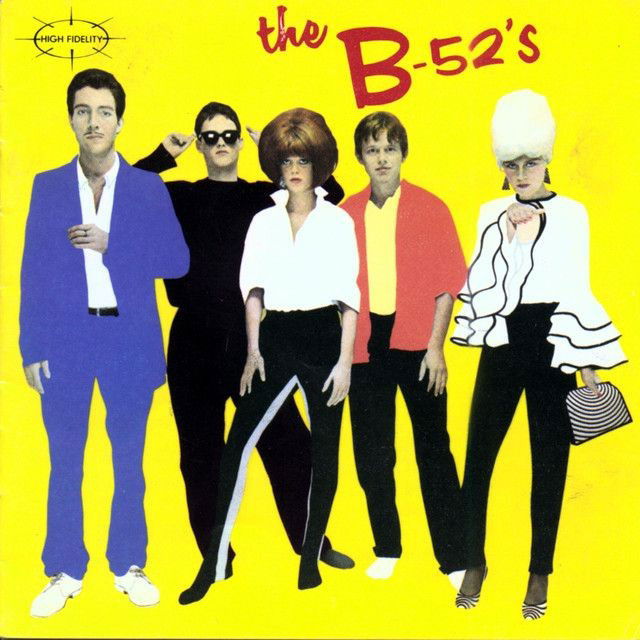
On The B-52s’ debut album, released in 1979, the band mixed camp, art-rock, surf, and punk energy into something that still sounds unique. “Hero Worship” sits inside that world, but it feels darker than many of their best-known songs. Songfacts notes that Cindy Wilson sang lead and later described it as a “kind of punk song,” while Robert Waldrop wrote the lyric.
The Song Turns Admiration Into Panic
At the center of the song is a narrator watching an idol fall. The opening image, Heroes falling to the ground
, is blunt and physical. It suggests collapse, not glory. Right away, the song strips away distance between fan and icon.
From there, the narrator does not respond with calm grief. They react with desperation. The pull of Hell's magnet
suggests a force that feels both emotional and destructive, as if worship itself drags the speaker downward.
Interpretation: the song is about the danger of building identity around someone else. Once that figure breaks down, the admirer breaks down too.

Watch the official Hero Worship
music video
A Voice Caught Between Desire and Mourning
The lyrics become even more unsettling because the narrator mixes care, performance, and submission. When they sing about trying to please idol eyes
, the relationship feels one-sided and unequal. The hero is no longer just admired; they are treated like a judge, even in collapse.
That dynamic is why the song feels obsessive instead of romantic. The speaker does not simply love this person. They need approval from them, maybe even after death or emotional ruin.
The Failed Rescue Matters
One of the song’s sharpest turns comes when the narrator tries to revive the fallen figure and cannot. That moment turns worship into helplessness.
Mouth to mouth resusitation
I just lay down beside him
These lines are vivid because they move from action to surrender. First there is an attempt to save the idol; then there is resignation. Interpretation: once rescue fails, the speaker chooses proximity over reality. They cannot restore the hero, so they remain beside the wreckage and keep believing.
Souvenirs Are Not Enough
In the next section, the song shifts from body to relic. The narrator notices a lock of hair
and a belt he wore, but these objects do not satisfy them. They want more than evidence that the hero existed.
This is a key part of the meaning of Hero Worship The B‐52s. The song understands fandom as collecting traces: clothes, hair, style, symbols, mythology. But it also shows how empty that can feel. Physical items cannot replace presence, and they cannot fill spiritual hunger.
When the speaker cries, I WANT MORE
, the all-caps intensity feels important even on the page. It sounds less like longing and more like consumption. Worship becomes appetite.
The Spiritual Language Makes It Darker
The repeated plea to God for the hero’s soul pushes the song past crush or fandom into something almost gothic. This is not just grief for a fallen figure. It is a wish to possess what is deepest and least reachable.
Interpretation: asking for the hero’s soul may mean the speaker wants total union with the idol, not just memory or inspiration. It could also suggest envy. They do not only admire the hero; they want access to whatever made him powerful.
That is why the song feels eerie. It treats fame and worship like a ritual, where love, death, and possession start to blur.
How the Music Sharpens the Meaning
The band’s sound is crucial here. The B-52s were never only quirky; their early work also had grit. In a PopMatters interview, their 1979 debut is described as being produced by Chris Blackwell with a roughness that made the melodies hit harder. That texture matters on “Hero Worship.”
The song’s clipped drive and tense rhythm support Cindy Wilson’s vocal perfectly. She does not sound detached or playful. She sounds urgent, almost cornered. That performance gives the lyrics a raw emotional edge that fits her own brief description of the track as punk.
Ricky Wilson’s guitar style also helps explain the mood. His playing was famously unusual and angular, and across the debut album it often creates a nervous, off-center feeling. On a song like this, that kind of sound keeps the listener from settling into simple pop pleasure. The arrangement makes obsession feel physical.
More Than Camp, Less Than Literal
Because The B-52s often used humor, exaggeration, and stylized voices, listeners may wonder whether “Hero Worship” is literal. Most likely, it works best as heightened drama rather than direct reportage.
Still, the emotions are real. The song captures a familiar pattern:
- a public figure falls
- an admirer feels personally shattered
- objects and memories replace the person
- devotion becomes need
That pattern can apply to celebrity culture, romance, or any unequal attachment. The song leaves room for all three.
Why the Song Still Lands
What makes “Hero Worship” memorable is how clearly it sees the violence hidden inside idealization. To worship a hero is to deny their limits. Once those limits appear, the admirer may collapse too.
So the meaning of Hero Worship The B‐52s is less about praise than possession. It is a portrait of fandom at its most intense, where grief, desire, and identity twist together until the hero becomes both sacred object and ruined body.
That tension is what gives the song its staying power. It is catchy, but it is also unnerving.
Disclaimer: This interpretation is based on the lyrics, performance, and available band context. As with many songs, listeners may reasonably hear different meanings.








