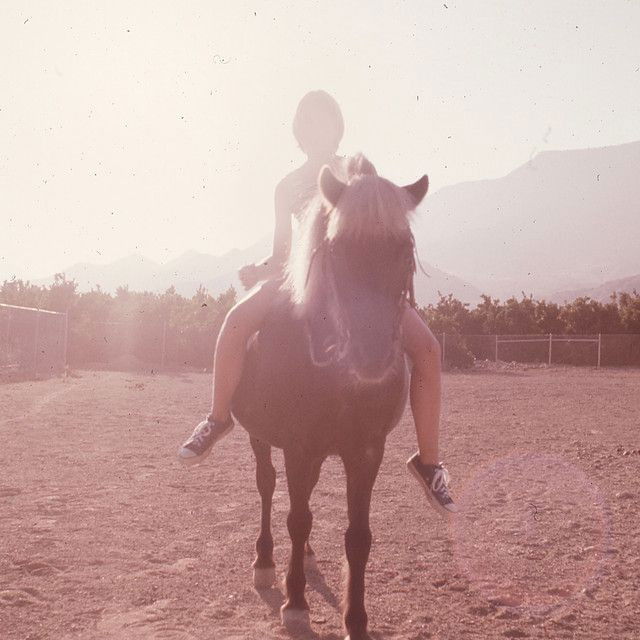
Close Your Eyes by The Backseat Lovers
They wrote a song about the moment when youth stops feeling endless. Close Your Eyes opens like a late-night talk and swells into a storm, asking what we owe our past and the people who raised us. If you’re searching for the meaning of Close Your Eyes The Backseat Lovers, it sits in that conflict between love, fear, and time’s push.
"Close Your Eyes" - The Backseat Lovers
Like your father?
The older you get
Loading lyrics...
Unable to load lyrics
We're unable to display the lyrics at this time. Please try again later.
Growing Up Hurts: The Core Tension
The track circles a simple worry: becoming someone you didn’t choose. The narrator faces a parent’s shadow and their own fragile hopes. They question how much of their life is shaped by duty versus desire.
Interpretation: The song is about breaking cycles without breaking bonds—how to care for family while refusing their patterns.
Watch the official Close Your Eyes
music video
A Voice Split Between “You” and “I”
The narrator speaks to a close “you,” possibly a partner or a younger self. It starts with a parental challenge—Do you wanna be like your father?
—and quickly shifts into caretaking: pick up the phone
when he calls, because love is messy and lonely.
At the same time, the singer confesses their own fear: the clock, it ticks
and they’re not ready. The line I’d hate to get any older
lands like a quiet panic—growing up feels less like arrival and more like loss.
What Unfolds: A Brief Timeline
- Anxious check-in: A friend named Jack waits; the pull of home competes with the pull of the night. Responsibility nudges pleasure aside.
- Family pressure returns: A father’s call stirs guilt and tenderness. The narrator recognizes love and harm living together.
- Time invades the room: Dreams are “packed away,” life “moving slower.” The self shrinks as routines harden.
- A final resolve: The narrator urges courage—
Don't you let them tell you who you are
—yet admits their own pain might stay hidden.
The Chorus: A Plea and a Warning
The hook pairs devotion with regret. It’s both proposal and confession—asking for support while admitting time may have closed a door.
Could you waste your life
If you painted mine?
Now the day has died
But it's too late to close your eyes
Interpretation: “Painted mine” suggests helping someone else build their vision—choosing love over self. The warning says the chance to pause, deny, or “close your eyes” has passed. Choices now carry weight.
Symbols and What They Say
- Clock: The relentless press of adulthood. The ticking undercuts any fantasy of endless youth.
- Phone call: Family obligation arriving uninvited. Compassion lives next to pressure.
- Painting: Making a life through art and love. It asks if devotion is creation or self-erasure.
- Dreams ending: Waking up from the myth that growth is painless.
- Scars: Proof of surviving. The hope is to collect marks without inheriting someone else’s pain.
Together these images form a map from innocence to agency. The song keeps asking: Can care and individuality both survive the journey?
How the Band Makes It Feel
The Backseat Lovers set the scene with intimate, clean guitars and hushed vocals. As tension rises, the arrangement blooms—drums swell, guitars overdrive, and the room feels larger. That build mirrors the lyric’s pressure from private fear to public release.
The vocal delivery wavers between tender and urgent, like a confession that turns into a shout. Small dynamic pauses act like deep breaths before hard truths. When the band surges, it sounds like the moment denial breaks and honesty rushes in.
Father, Self, or Both? Two Plausible Reads
- Interpretation 1: A partner plea. The narrator asks a lover to stay, to help “paint” a shared life, even if it costs time and dreams. The fear of aging makes the promise feel urgent.
- Interpretation 2: A letter to the self. The “you” is a younger version, urged to answer the father, set boundaries, and keep identity intact. Collect scars, but don’t carry inherited pain.
Both readings orbit the same star: growing up without growing hard.
Why the Ending Stings
Late lines hint at necessary loss and stubborn hope. Letting go becomes a form of love, but the narrator also shields others from their own hurt. That gap—between what they feel and what they reveal—keeps the song aching after it ends.
Takeaway: What Lingers After the Last Chord
Close Your Eyes sits in the in-between: between parent and child, dream and duty, comfort and change. It doesn’t solve growing up. It respects it, shows the cost, and asks for gentleness along the way.
Disclaimer: Song meanings are interpretive and subjective. This analysis reflects one informed reading, not definitive artist intent.









