Why 'Manic Monday' Still Feels So Real
The meaning of Manic Monday The Bangles comes down to a feeling almost everyone knows: the painful jump from weekend freedom to weekday pressure. The song turns that ordinary complaint into a bright, memorable pop story. Even now, its mix of charm, stress, and humor still lands.
"Manic Monday" - The Bangles
I was just in the middle of a dream
I was kissin' Valentino
Loading lyrics...
Unable to load lyrics
We're unable to display the lyrics at this time. Please try again later.
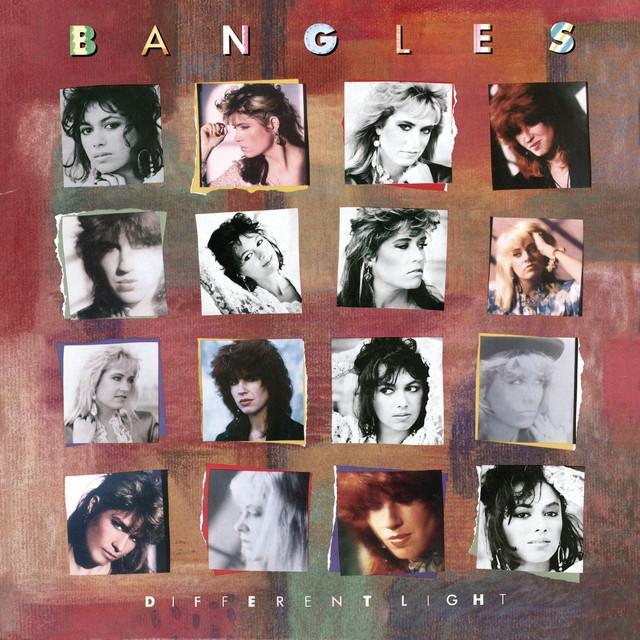
Recorded by The Bangles for Different Light and released as the album’s first single in late 1985, the track was written by Prince under the name “Christopher.” It became one of the band’s biggest hits, reaching No. 2 on the U.S. Billboard Hot 100 and No. 2 in the U.K., according to available chart histories and release information (Wikipedia).
A Monday Song With More Than One Mood
On the surface, the song is simple. A woman wakes up, realizes she is behind schedule, and tries to get to work. But the song’s real power is the contrast between fantasy and duty.
The opening puts the listener inside a half-awake dream world before reality hits. The narrator is not just sleepy. She is leaving behind romance, glamour, and ease. Then the workday crashes in. That is why the hook feels so universal: just another manic Monday
is not only a complaint, but a tiny summary of modern adult life.
Interpretation: The song is not really attacking work itself. It is describing how routine can feel brutal when it interrupts pleasure, intimacy, and rest.

Watch the official Manic Monday
music video
The Story Moves From Dream to Deadline
The verses unfold like a mini comedy of pressure. First comes the dreamy escape, then the clock, then the commute, then the boss, and finally the reminder that love and work do not always fit neatly together.
A few short lyric moments show that shift. The day starts at Six o'clock already
, which instantly creates panic. The singer says I can't be late
, tying time directly to money and survival. Later, the wish for my fun day
makes Sunday sound less lazy than necessary.
That detail matters. The song is catchy, but the stakes are real. If she misses work, she may not get paid. The line about needing employment makes clear that this is not just a spoiled complaint. It is about economic pressure too.
Why the Chorus Became the Whole Message
The chorus is so sticky because it says something broad with very plain language. Monday means motion, schedules, and noise. Sunday means rest, choice, and personal time. The hook works because it reduces a hard emotional problem into one sharp contrast.
I wish it was Sunday
That's my fun day
Those lines are simple, but they do a lot. They are not just about liking weekends. They frame Sunday as the one day when a person belongs to themselves.
Interpretation: That is the deeper meaning of Manic Monday. It is about who controls a person’s time. On Monday, the clock, the train, and the boss take over. On Sunday, life feels human again.
Prince’s Writing, The Bangles’ Personality
One reason the song works so well is the blend of Prince’s sharp pop writing and The Bangles’ warm group sound. According to widely cited background on the song, Prince first wrote it for Apollonia 6, then later offered it to The Bangles under his pseudonym. Debbi Peterson said the band reshaped it into their own style, calling it a “Banglefication” of his arrangement (Wikipedia).
That phrase helps explain the final version. Prince supplied the tight concept and melodic craft. The Bangles made it feel approachable, bright, and conversational. Susanna Hoffs’ lead vocal sounds rushed enough to fit the story, but never harsh. The backing harmonies soften the anxiety.
How the Sound Makes Stress Feel Catchy
Musically, the song moves with purpose. It is brisk rather than frantic, often described at 116 beats per minute in D major, with a simple repeating chord pattern (Wikipedia). That musical simplicity supports the lyric: everyday struggle, told through clean, direct pop.
The keyboards add shine, while the guitars and drums keep the track grounded in pop rock. David Kahne co-produced the song with The Bangles, and his arrangement helps keep the record light on its feet. Nothing feels heavy, even though the subject is pressure.
That contrast is the trick. The music says, “Yes, life is stressful, but they can still sing through it.” This is part of why the song remains so replayable.
A Working Woman’s Pop Snapshot
The narrator’s voice matters too. She is balancing desire, appearance, travel, work, and a romantic relationship in one morning. The song never turns her into a tragic figure. Instead, it presents her as capable but overwhelmed.
For many listeners, that has always been the point. The song captures the hidden labor of getting through the day. Even choosing clothes becomes one more decision in a packed schedule. The lover’s timing only adds to the chaos.
Interpretation: The song can be heard as a light feminist snapshot of everyday pressure. It shows how women are often expected to be productive, attractive, emotionally available, and punctual all at once.
Why It Still Connects Today
Part of the meaning of Manic Monday The Bangles is timeless because Mondays still symbolize the end of personal freedom. The details may be 1980s, but the feeling is current: dream life on one side, responsibility on the other.
Critics have often called the track “infectious” and “deceptively simple,” and that sounds right. Its language is easy to remember, but its emotional setup is smart. It turns a weekly annoyance into a bigger reflection on time, money, and adult compromise.
In the end, the song lasts because it never overstates its case. It does not lecture. It just shows one rough morning and lets that morning stand in for a whole working life.
Disclaimer: This interpretation mixes documented facts about the song’s creation and reception with critical reading of its lyrics and sound. Meaning can vary by listener.








