Why 'Walk Like an Egyptian' Still Works
The meaning of Walk Like an Egyptian The Bangles is simpler and smarter than it first seems. On the surface, it is a novelty hit built around a funny pose. Under that surface, it is a song about how images travel, how trends spread, and how people everywhere copy what feels stylish, weird, or fun.
"Walk Like an Egyptian" - The Bangles
They do the sand dance don't you know?
If they move too quick (oh whey oh)
Loading lyrics...
Unable to load lyrics
We're unable to display the lyrics at this time. Please try again later.
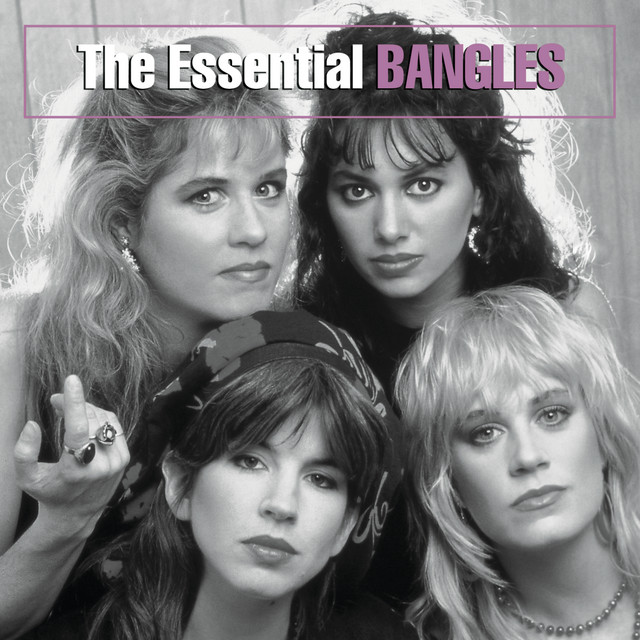
Released in 1986 as a single from Different Light, the track became a huge hit for The Bangles, reaching No. 1 in the United States and finishing as Billboard's top song of 1987. It was written by Liam Sternberg and produced by David Kahne. Those facts help explain why the song feels both sharply crafted and a little offbeat.
A Joke Song With a Sharp Pop Idea
The song begins with ancient imagery, including tomb paintings and the Nile. It quickly turns those pictures into movement. When the lyric mentions old paintings on the tombs
, it is not trying to teach history. It is using a familiar visual style—bent arms, side profile, stiff poses—as a pop symbol anyone can recognize.
Interpretation: the song is about imitation. It starts in ancient art, then leaps into the present to show modern people acting out that same stylized pose. That is why the chorus lands so well: Walk like an Egyptian
becomes less a command than a cultural meme before memes had a name.
The humor matters. The lyrics are full of cartoon-like snapshots, not a single serious story. That gives the song room to connect very different people under one goofy gesture.

Watch the official Walk Like an Egyptian
music video
How the Verses Build a Mini World Tour
One reason the track stays memorable is its structure. Each verse moves to a new social scene: market sellers, waitresses, school kids, cops, and people from different countries. The line All the school kids
shows how wide the song casts its net.
Instead of following one narrator, the lyrics work like a fast camera montage. They bounce from place to place, showing different groups joining the same rhythm. In that sense, the song is less about Egypt itself and more about shared performance.
The central pattern
The song keeps repeating three ideas:
- people are seen in quick, comic snapshots
- movement matters more than biography
- the chorus turns everyone into part of the same joke
That pattern makes the song feel communal. The verses say, in effect, that no matter who they are, people can be pulled into a trend.
The Chorus Turns Style Into Social Glue
The chorus is incredibly simple, but that is the point. After the busy verses, the hook strips everything down to one phrase: Walk like an Egyptian
. It is visual, rhythmic, and easy to imitate.
Interpretation: the chorus suggests that pop culture often works through mimicry. People do not need deep knowledge of the source image. They just need a striking gesture they can repeat. The song turns ancient iconography into mass entertainment.
That may sound cynical, but the record does not present it as cruel. It sounds delighted by the silliness of it all.
Where the Idea Came From
According to widely cited accounts, songwriter Liam Sternberg got the idea after watching people on a ferry struggle to keep their balance. Their stiff arm positions reminded him of figures in Egyptian art. That image led him to the title and concept. The background is important because it shows the song was born from visual comedy, not scholarship.
One verse makes that visual origin especially clear:
Slide your feet up the street
bend your back
Shift your arm
then you pull it back
These lines briefly give instructions, almost like a dance lesson. They translate a visual style into body language anyone can copy.
Why the Sound Sells the Meaning
David Kahne's production is a huge part of why the song works. The record blends bright pop-rock energy with new-wave neatness. Research on the recording notes the use of a LinnDrum beat, quirky shaker sounds, and Kahne's whistling hook. The result is light, clipped, and mechanical in a way that fits the song's angular imagery.
The arrangement also helps the lyrics feel like scenes in motion. Different Bangles members take different verses, which adds variety and keeps the montage lively. Rather than one voice guiding the whole song, several voices pass the idea around. That mirrors the theme of a gesture spreading from person to person.
Fun on the Surface, Commentary Underneath
Some listeners hear the song as pure nonsense, and that is fair. It absolutely aims to entertain. But there is another layer.
Interpretation: the lyrics gently poke fun at social roles and cultural trends. The song sketches workers, students, police, and party scenes with a wink. Even the donut shop
image turns authority figures into part of the same danceable spectacle.
That is why the song still feels alive. It understands that modern life is full of posing. People perform identities, copy styles, and join trends without always thinking about where they came from.
Why It Became Bigger Than a Novelty Hit
The Bangles were already rising, but this single pushed them into a different level of fame. MTV helped, and the song's video made the gesture instantly copyable. Its success also changed how many people saw the band: not just as a rock group, but as stars attached to a giant pop moment.
That tension is part of the song's legacy. It is playful, but it also shows how a clever outside-written track can reshape a band's public image.
The Lasting Meaning of the Song
So, what is the meaning of Walk Like an Egyptian The Bangles? It is a cheerful song about visual style becoming mass behavior. It takes a famous artistic pose, drops it into everyday life, and shows how quickly culture can turn imagery into a trend.
Its brilliance is that it never overexplains. They let the hook, the beat, and the comic scenes do the work. What remains is a song about imitation, performance, and the joy of joining in.
Disclaimer: This interpretation separates documented facts about the song's writing and recording from critical reading of its lyrics. Meanings can vary from listener to listener.








