Why "Mirror in the Bathroom" Feels So Unsettling
The meaning of Mirror in the Bathroom The Beat comes from a simple image that turns strange very fast: a person alone with their reflection, talking to it as if it were company. That is why the song still lands. It sounds brisk and catchy, but beneath the rhythm is a portrait of self-absorption, loneliness, and a mind that may be slipping into unhealthy loops.
"Mirror in the Bathroom" - The Beat
Please talk free
The door is locked
Loading lyrics...
Unable to load lyrics
We're unable to display the lyrics at this time. Please try again later.
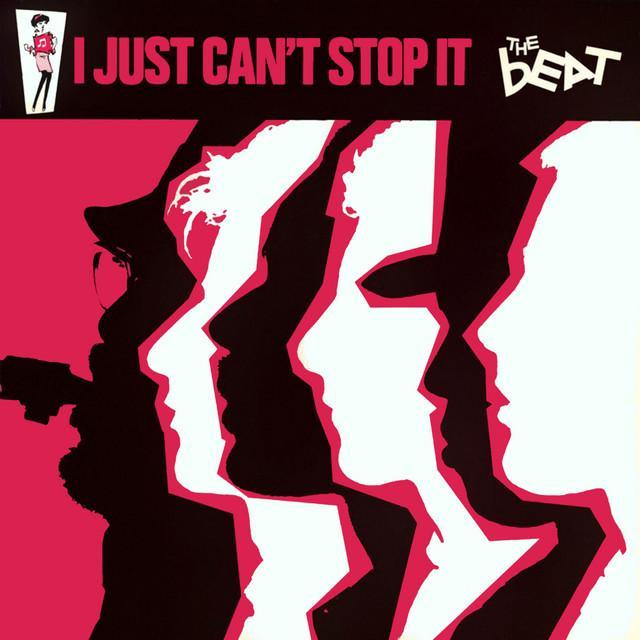
The Beat — known as The English Beat in the U.S. — built their early sound out of ska, punk energy, pop hooks, and sharp social observation. Their debut album I Just Can’t Stop It was released in 1980, and the song became one of the band’s signature tracks. Songwriting credits generally list David Wakeling, Everett Morton, David Steele, Andy Cox, and Roger Charlery, matching the lineup that shaped the group’s early identity.
A Mirror That Becomes a Character
At the center of the song, the mirror is not just an object. It acts like a silent partner. When the singer says Please talk free
, they are not describing a normal glance at the sink. They are turning the mirror into a companion, even a confidant. That is the first clue that the song is about more than vanity.
The bathroom setting matters too. It is private, closed off, and a little claustrophobic. The phrase The door is locked
suggests isolation. No one else is in the room. The only conversation available is with the self.
Interpretation: This can be read as a song about narcissism, but it works even better as a song about being trapped inside one’s own head. The mirror becomes a stand-in for obsessive self-checking: how they look, how they seem, and whether they can still control the story they tell themselves.

Watch the official Mirror in the Bathroom
music video
The Everyday Details Make It Darker
One of the cleverest things in the lyric is how ordinary the images are. The song mentions restaurants, shopping, and reflections in public places. When it jokes about glass tables
, the idea is both comic and sad. They imagine a date or outing where the real pleasure is not the meal or the company, but another chance to keep looking at themselves.
Then the song sharpens that idea with window shopping
. They are not browsing items on display. They are scanning surfaces for more reflections. That turns everyday city life into a hall of mirrors.
This is where the meaning of Mirror in the Bathroom by The Beat gets richer. The song is not merely mocking vanity. It shows how self-consciousness can swallow the outside world. Shops, restaurants, and even social life lose meaning because the speaker is locked into self-surveillance.
Chorus as Obsession, Not Comfort
The repeated title phrase works like a chant. Each return to Mirror in the bathroom
feels less like description and more like compulsion. The hook is catchy, but it does not resolve anything. It circles.
That matters because repetition is part of the song’s psychology. The person does not move toward insight or relief. They keep coming back to the same object, the same room, and the same habit. The song’s structure mirrors the behavior it describes.
A Key Turn Toward Breakdown
The darkest moment arrives when the lyric shifts from comic self-regard to mental strain. The phrase mental illness
appears bluntly, and it changes the temperature of the song. What sounded quirky now feels dangerous.
Interpretation: This does not have to be read as a clinical statement. It can be heard as the speaker recognizing that obsessive self-fixation is becoming destructive. The mirror no longer offers reassurance. It feeds confusion.
Mirror in the bathroom
Recompense
For all my crimes
Of self defense
Those lines suggest guilt, rationalization, and a private attempt to excuse or soothe the self. In plain terms, the mirror may be giving back the version of the speaker they want to see.
How the Sound Sells the Idea
Musically, the track helps explain why the song is so memorable. The Beat were part of the 2 Tone era, blending Jamaican ska rhythms with punk urgency and pop economy. On this song, the clipped guitar, tight bass, and quick drum feel create movement without warmth. It is danceable, but also tense.
That tension fits the lyric perfectly. The groove keeps bouncing forward, while the words stay stuck in one mental space. Their vocal delivery is brisk and controlled, which makes the unsettling content feel even sharper. The song never collapses into melodrama. Instead, it keeps smiling through clenched teeth.
Two Strong Readings of the Song
There are at least two convincing ways to hear it:
- Self-obsession satire. The song pokes at vanity, ego, and the need to admire oneself constantly.
- Anxiety and isolation portrait. The song shows a person using their reflection as a coping tool, only for that habit to become unhealthy.
Both readings fit because the lyric keeps a careful balance between wit and discomfort. That ambiguity is a big part of its power.
Why the Song Still Connects
For modern listeners, the song can feel surprisingly current. Its image of endless self-regard now echoes phone cameras, curated identities, and constant self-monitoring. Even without predicting that world, The Beat captured the unease behind it.
So the meaning of Mirror in the Bathroom The Beat is not just about a mirror. It is about what happens when self-awareness curdles into obsession. The song dances, jokes, and repeats, but underneath it asks a sharp question: when they look for themselves everywhere, what do they stop seeing?
Disclaimer: This interpretation is based on the lyrics, performance, and historical context. As with many songs, listeners may reasonably hear different meanings.







