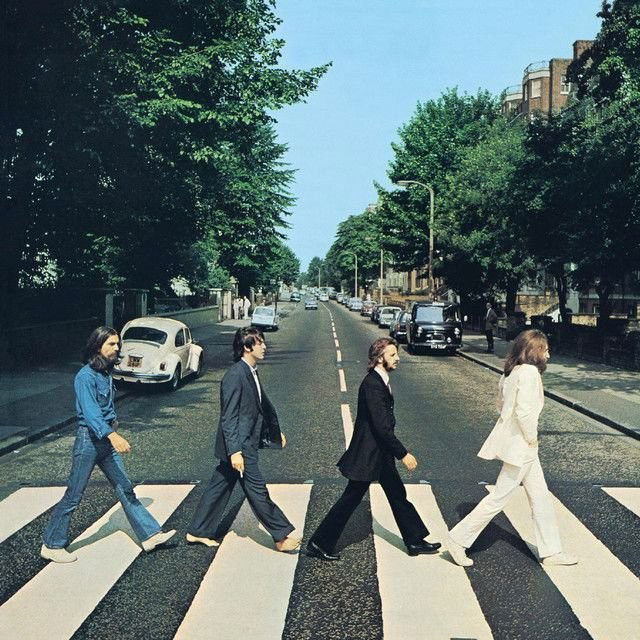
Come Together by The Beatles
Why This Beatles Classic Still Feels Mysterious
The meaning of Come Together The Beatles is not simple because the song was never built like a straight story. It opens Abbey Road and sounds dark, cool, and playful at the same time. Factually, it was written by John Lennon, credited to Lennon-McCartney, produced by George Martin, and released in 1969 as part of a double A-side with “Something.” It reached No. 1 on the US Billboard Hot 100 and became one of the band’s most famous late-period recordings (Wikipedia).
"Come Together" - The Beatles
He got ju—ju eyeball, he one holy roller
He got hair down to his knee
Loading lyrics...
Unable to load lyrics
We're unable to display the lyrics at this time. Please try again later.
What makes it last is that it turns nonsense into mood. Instead of explaining a plot, the song throws out vivid details, half-jokes, and odd character sketches. The result is less like a diary entry and more like a collage of attitude.
Watch the official Come Together
music video
What the Song Is Really About
At its core, the song seems to be about unity, charisma, and mystery. The chorus pushes everyone toward a shared moment, while the verses describe a slippery figure who feels larger than life. That is why many listeners hear the track as both an invitation and a riddle.
Interpretation: The central figure may not be one real person at all. They may be a mash-up of rock-star energy, counterculture imagery, and John Lennon’s own taste for surreal wordplay. Phrases like one holy roller
and got to be a joker
suggest someone magnetic but impossible to pin down.
The title phrase matters most. Before the Beatles version existed, Lennon had been asked by Timothy Leary to write a campaign song around the slogan “Come Together.” Lennon later reused the idea in this track (Wikipedia). That backstory does not solve every line, but it explains why the chorus sounds like a call for people to gather under one feeling.
The Verses Work Like a Character Collage
Rather than tell a clean narrative, the song stacks bizarre images on top of each other. The famous opening, with old flat-top
, pulls partly from Chuck Berry’s “You Can’t Catch Me,” a connection that later led to legal trouble and a settlement (Wikipedia).
But Lennon slows that borrowed rock-and-roll spark down and turns it swampy. The person in the song has strange body parts, strange habits, and strange powers. They seem cool, funny, and maybe a little threatening. When the lyric says you got to be free
, the song suddenly shifts from portrait to message. That line gives the whole track emotional direction.
One thing I can tell you
you got to be free
That brief moment is the clearest statement in the song. Everything else is blur and style; this is the one idea that lands plainly. Interpretation: freedom here may mean social freedom, spiritual freedom, or simply letting go and joining the groove.
How Yoko, Counterculture, and Wordplay Enter the Picture
Some lines seem to point toward Lennon’s personal life. The phrase Ono sideboard
strongly hints at Yoko Ono. That does not mean the whole song is “about” her, but it shows how Lennon folded real people into abstract lyrics.
He also liked language for its sound, not just its logic. Critics and biographers have often noted that many phrases in “Come Together” rush by too fast to decode on first listen. That is part of the design. The words act like percussion as much as poetry.
Interpretation: This is why the song feels meaningful even when it stays unclear. It creates emotional coherence without giving full literal coherence. They hear a vibe of rebellion, attraction, and invitation, even if every image resists explanation.
The Sound Carries the Meaning Better Than the Plot
To understand the meaning of Come Together The Beatles, listeners have to hear how the arrangement works. The song’s heavy bass, relaxed tempo, and dry, close vocal make it feel intimate and dangerous at once. It has roots in blues rock and swamp rock, but the Beatles make it tighter and stranger than a standard jam (Wikipedia).
Paul McCartney’s bass line is a huge reason the song moves the way it does. In 2024, Consequence even ranked it among the greatest basslines ever, a sign of how central that part is to the record’s identity. Ringo Starr’s drums, reportedly dampened with tea towels during the session, give the beat a soft but deep thump. McCartney also added Rhodes electric piano, while Harrison brought in distorted guitar touches and a sharp lead part near the end (Wikipedia).
George Martin once praised the track as a perfect example of how the four Beatles combined their different instincts into one sound. That matters because the song’s theme of “coming together” is mirrored by the recording itself. The band members sound distinct, but they lock into one groove.
Why the Chorus Feels So Powerful
The chorus is simple compared with the verses. It strips away the clutter and gives the listener a command: Come together
. Then comes the more mysterious tag, over me
.
Interpretation: That final phrase can be read a few ways:
- as a leader calling people to unite around them
- as a lover asking for closeness
- as a performer inviting a crowd into a shared experience
That ambiguity is one reason the hook stays memorable. It is direct enough to sing, but open enough to carry many meanings.
Legacy and Lasting Meaning
“Come Together” has lasted because it balances opposites: nonsense and purpose, looseness and precision, swagger and warmth. It became a hit in its own time and has stayed visible through covers by artists like Aerosmith, Ike & Tina Turner, and others across genres (Wikipedia).
In the end, the meaning of Come Together The Beatles is less about solving a puzzle than entering a mood. The song suggests that people do not always unite through plain speech. Sometimes they come together through rhythm, attitude, and shared energy.
Final Take
The best reading is that the song turns surreal images into a statement about freedom and connection. Its weird details matter, but its groove matters more. That is why they can leave the song without decoding every line and still feel exactly what it wants them to feel.
Disclaimer: This interpretation separates documented facts from informed reading. Like many Beatles songs, “Come Together” invites more than one valid meaning.









