Why 'Happiness Is a Warm Gun' Feels So Unsettling
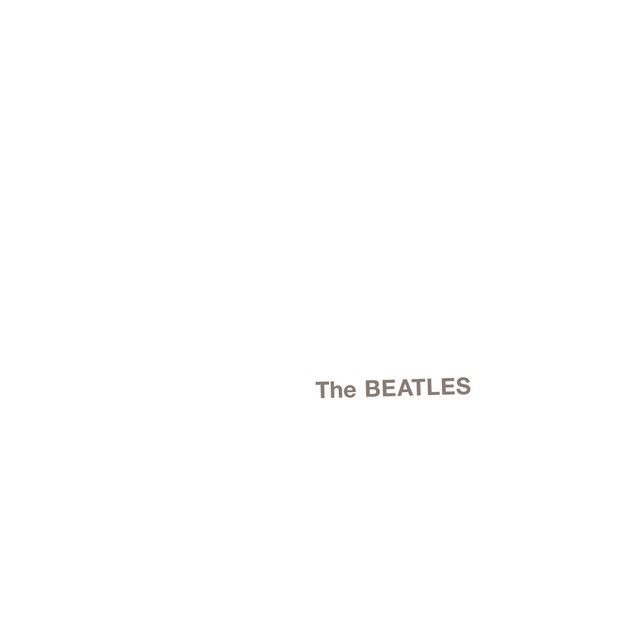
The meaning of Happiness Is a Warm Gun The Beatles still draws debate because the song is built to feel slippery. It is part lust song, part surreal collage, part dark joke, and part rock history lesson. Released on The Beatles (“the White Album”) in 1968, it was written mainly by John Lennon and credited to Lennon–McCartney. Factually, the title came from an American Rifleman phrase Lennon found strikingly absurd, a detail covered by Wikipedia.
"Happiness Is a Warm Gun" - The Beatles
Do do do do do do, oh yeah
She's well-acquainted with the touch of the velvet hand
Loading lyrics...
Unable to load lyrics
We're unable to display the lyrics at this time. Please try again later.
What makes the song powerful is that it never settles into one clean meaning. Instead, it moves through scenes of desire, performance, danger, and release.
A Song About Desire Dressed as Chaos
At its core, the song turns attraction into something unstable and risky. Lennon later said the track had a sexual meaning connected to the beginning of his relationship with Yoko Ono, not a straightforward drug theme, according to Wikipedia and American Songwriter.
That matters because listeners often fixate on the phrase I need a fix
. In plain language, the song does use craving imagery, but Lennon said people were wrong to reduce it to heroin. Interpretation: the line works better as a broader sign of hunger and dependency. The speaker sounds driven by need, but the object of that need keeps changing.
The title phrase is the clearest example of that double meaning. A “warm gun” is literally a gun just fired, but Lennon also used it as charged sexual language. The song turns pleasure into something thrilling and alarming at the same time.
Watch the official Happiness Is a Warm Gun
music video
The Opening Images Refuse to Behave
The first section sounds almost delicate, yet the words are strange from the start. The woman introduced through She’s not a girl
is not presented as innocent or easy to read. Then the song moves into bizarre snapshots, including the velvet hand
and multicolored mirrors
.
These details are not meant to tell a neat story. Research notes that some of the surreal images came from Lennon’s conversations with Beatles associate Derek Taylor, who supplied odd anecdotes and phrases later folded into the song, as summarized by American Songwriter.
Interpretation: this opening section paints modern desire as fragmented and artificial. People pose, watch, touch, and deceive. The weirdness is the point. The listener enters a world where sensation is vivid, but trust is weak.
Why the Middle Feels Like a Spiral
The song’s center tightens around craving. When the repeated need for relief appears, the track suddenly sounds more desperate. Then comes the chant Mother Superior jumped the gun
, one of the most discussed lines in the song.
Lennon later suggested “Mother” could be a private name for Yoko Ono rather than a literal religious figure, as reported by American Songwriter. That helps explain why the line feels personal and teasing rather than devotional.
Interpretation: “jumped the gun” suggests acting too soon, losing control, or being overtaken by impulse. Put next to the song’s craving language, it strengthens the idea that desire here is impatient and self-consuming.
The Final Section Turns Dark Comedy Into Hook
The closing section is catchy, almost playful, which makes it more disturbing. The melody nods toward older doo-wop and early rock styles, while the words keep returning to the title image. Lennon described the song as made from several pieces and as a miniature trip through different rock forms, a point documented by Wikipedia.
When I hold you in my arms
feel my finger on your trigger
Those lines make the double meaning impossible to miss. The language sounds intimate, but it borrows the vocabulary of violence. That clash is the song’s central trick.
Interpretation: the chorus is not celebrating safety or comfort. It is showing how easily pleasure, power, and danger can blur together.
How the Music Explains the Lyrics
A big part of the meaning of Happiness Is a Warm Gun The Beatles comes from the arrangement. The recording shifts through multiple sections, changing meter and feel in ways that make the ground seem unstable. Wikipedia notes the song’s complex time-signature changes and the role of George Harrison’s guitar in shaping its dramatic turns.
The intro is controlled and tense. Then the band hits harder, the guitar grows more abrasive, and the final passage becomes almost theatrical. That design mirrors the lyric journey from detached observation to obsession to stylized release.
This is also one reason critics have long admired the track. It feels carefully built even while sounding half-unhinged.
Context Around the Song’s Reputation
The song appeared on the White Album on 22 November 1968 and was reportedly a favorite of all four Beatles, according to Wikipedia. The BBC also banned it over sexual suggestiveness, which shows how provocative its language sounded at the time.
That history matters because the song was never just “shocking.” It was ambitious. It mixed parody, confession, and surrealism into less than three minutes. That is why it still feels modern.
What the Song Ultimately Means
The best way to read the song is as a study in unstable desire. It shows attraction as theatrical, funny, frightening, and hard to separate from power. The gun image is not there to offer a moral lesson. It is there to expose how extreme language can make pleasure sound dangerous and danger sound seductive.
That tension is why the song lasts. It does not explain itself away.
Disclaimer: This interpretation separates documented facts from critical reading. As with many Beatles songs, some meaning remains open to the listener.








