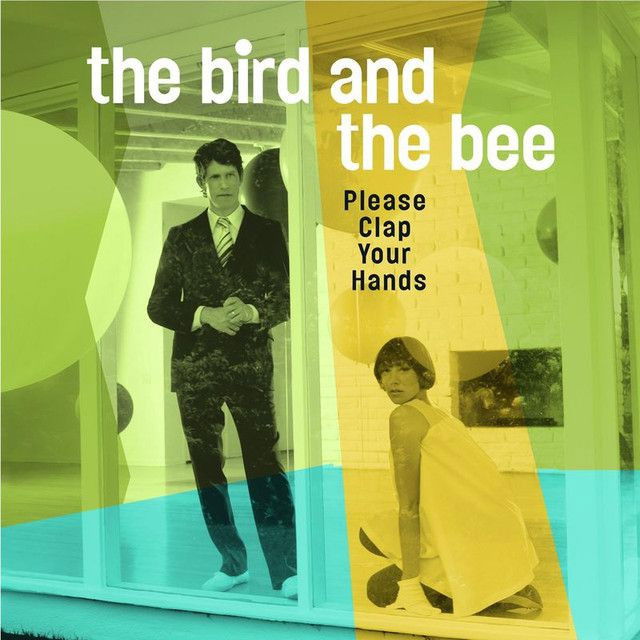
How Deep Is Your Love by The Bird and the Bee
A cover that turns devotion into a question
The meaning of How Deep Is Your Love The Bird and the Bee starts with a simple idea: love feels warm, but it also needs proof. Their version of the Bee Gees classic keeps the song’s central question intact. It is not really asking for a measurement. It is asking whether comfort, loyalty, and emotional safety are real enough to last.
"How Deep Is Your Love" - The Bird and the Bee
I feel you touch me in the pourin' rain
And the moment that you wander far from me
Loading lyrics...
Unable to load lyrics
We're unable to display the lyrics at this time. Please try again later.
In the lyric, the speaker feels deeply attached to another person. They describe closeness through weather, touch, and light, then return to one uncertain point: How deep is your love
. That repeated line makes the song less like a love letter and more like a quiet emotional check-in.

Watch the official How Deep Is Your Love
music video
From Bee Gees ballad to indie-electronic hush
Factually, the song was written by Barry, Robin, and Maurice Gibb and first released by the Bee Gees in 1977 for the Saturday Night Fever era. It became a major hit, reaching No. 1 in the United States and later winning a Grammy. The original also became one of the group’s most loved songs, with Barry Gibb calling it his favorite in a 2001 Billboard comment, as noted in this song history.
The Bird and the Bee approach the song from a very different musical world. The duo, made up of Inara George and Greg Kurstin, are known for polished indie pop and electronic textures, heard across releases like Interpreting the Masters, Vol. 1. Even when they cover older songs, they often make them sound intimate, stylish, and slightly detached.
That matters here. The Bee Gees original is soft and glowing. The Bird and the Bee version feels cooler and more delicate. That change affects meaning.
What the lyrics are really saying
At heart, this is a song about emotional reassurance. The speaker does not doubt their own feelings. They already believe in the relationship. What they need is confirmation from the other side.
The verses paint love as something sensed in the body and in the world: morning light, rain, warmth, and breeze. These images suggest that the relationship feels natural and constant, almost like weather. When the singer mentions morning sun
and pourin' rain
, the point is not just romance. It is that this person is felt everywhere, in calm moments and hard ones.
Then the song shifts. The speaker says separation hurts, and tenderness is not enough without clarity. They want to know whether the bond is secure, not temporary.
Keep me warm in your love
and then softly leave
Those lines capture the song’s central tension. Love gives comfort, but it can also disappear. That is why the chorus matters so much.
Why the chorus hits so hard
The chorus is famous because it sounds smooth while expressing fear. The line I really need to learn
changes everything. Instead of sounding possessive, the speaker sounds vulnerable. They are not demanding control. They are asking for truth.
Another key phrase is world of fools
. In context, the song suggests that relationships are pressured by outside noise, doubt, and misunderstanding. The couple may feel strong together, yet the world can still pull them apart. So the chorus is doing two things at once:
- Asking for private reassurance.
- Defending the relationship against outside pressure.
That balance is part of why the song lasts. It is romantic without being naïve.
The most important symbols in the song
Several images keep the meaning grounded and easy to feel.
Weather as emotional presence
Rain, breeze, and sunlight make love feel constant and physical. The person is not only remembered; they are almost felt in the air. This turns romance into atmosphere.
Warmth as safety
When the lyric describes comfort and warmth, it frames love as shelter. The relationship is not just exciting. It is protective.
Light and the soul
The line about being the deepest darkest hour
light points to rescue and hope. This love reaches the inner self, not just surface attraction.
How The Bird and the Bee’s sound changes the meaning
Interpretation: Their arrangement makes the song feel less like a grand declaration and more like a late-night thought. Soft synth tones, clean production, and Inara George’s controlled vocal style create emotional distance. That distance does not weaken the song. It makes the uncertainty sharper.
Where the Bee Gees version wraps the listener in warm harmony, The Bird and the Bee often sound airy and precise. The effect is almost whispered. That fits old reviews of the original too: Record World praised its delicacy and near-whispered vocals, and that quality becomes even more pronounced in this cover through an electronic pop lens.
Because of that, the cover can sound more fragile than the original. The question in the chorus lands less like a plea from the center of a passionate romance and more like a person calmly trying not to ask for too much. For many listeners, that makes the song feel modern.
Two strong ways to read it
Interpretation 1: A secure love asking for affirmation. The speaker believes in the relationship and simply needs emotional openness back.
Interpretation 2: A love that feels uneven. The warmth is real, but the other person may be hard to read or slow to commit. In this reading, the song hides anxiety inside beauty.
Both interpretations fit because the lyric mixes certainty and doubt so carefully.
Why this song still connects
The meaning of How Deep Is Your Love The Bird and the Bee remains powerful because it captures a common feeling: loving someone is not the same as feeling fully safe with them. Their cover keeps the tenderness of the original, but its sleek, hushed style brings out the question underneath the romance.
That is why the song still works. It is about devotion, but also about needing love to be spoken, shown, and trusted.
Disclaimer: This interpretation blends documented song context with critical reading of the lyrics and production. Meanings can vary from listener to listener.








