Why 'My Humps' Became a Pop Culture Flashpoint
The meaning of My Humps Black Eyed Peas is simpler than its huge reputation might suggest. On the surface, it is a teasing club song about attraction, body confidence, and the way sex appeal can turn into attention, gifts, and status. Under that surface, it is also a loud, cartoonish portrait of 2000s pop culture, where desire and consumerism often got mixed together.
"My Humps" - Black Eyed Peas
All that junk inside your trunk?
I'ma get, get, get, get you drunk
Loading lyrics...
Unable to load lyrics
We're unable to display the lyrics at this time. Please try again later.
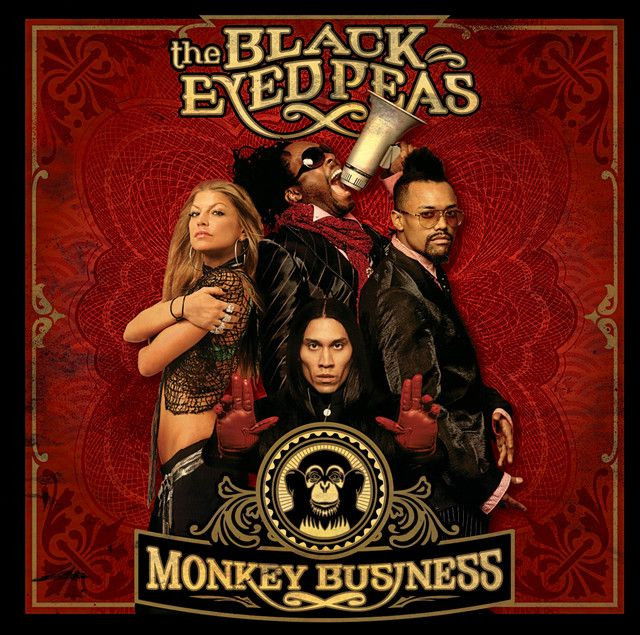
Released in 2005 as a single from Monkey Business, the track became one of the Black Eyed Peas’ most talked-about hits, peaking at No. 3 on the Billboard Hot 100 and later earning major sales and awards, including a Grammy for Best Pop Performance by a Duo or Group with Vocals, according to widely cited chart and release data from reference sources like Wikipedia and Songfacts.
The Core Idea Behind the Song
At the center of the song is a performance of power. Fergie’s character knows people are watching her, and she knows what they want. The lyrics frame her body as both a source of attraction and a kind of social leverage.
That is why the song keeps returning to phrases like my hump
and lovely lady lumps
. They are not subtle. They reduce the speaker to body parts on purpose, then turn that reduction into a brag. In plain terms, the song says: they look, they want, they spend, and she stays in control of the exchange.
Interpretation: Some listeners hear this as empowerment through confidence. Others hear it as pure objectification dressed up as confidence. The song leaves room for both readings because it never steps outside the game it is describing.

Watch the official My Humps
music video
A Flirty Duet With a Transactional Twist
One reason the song stands out is its duet structure. will.i.am and Fergie play different roles in the same scene. He acts like the hype man and admirer, while she delivers the song’s main persona: desired, watched, and materially rewarded.
When the verses mention designer labels and men who keep buying things, the point is not romance in a deep sense. It is display. The attention comes with gifts, fashion, and public proof of desirability. Even the repeated line about spending all your money on me
turns attraction into a kind of transaction.
That transactional idea matters because it ties the song to a bigger 2000s pop theme: luxury as identity. In this world, looking wanted and being expensive almost mean the same thing.
What the Lyrics Are Doing Beneath the Joke
The words are often treated as silly, and they are. But their silliness has a function. The song uses exaggeration to turn lust and materialism into a chant.
A good example is the way it swings between invitation and refusal. It promises to get someone love drunk
, but later it sets a line: look if they want, but do not touch. That shift gives the speaker a little more agency than critics sometimes admit.
There is also a small change in tone in the disco section, where the song briefly suggests let's spend time not money
. That moment hints at a sweeter, more human connection. But the song quickly snaps back to innuendo and spectacle, which tells listeners what it really values most: sensation, not sincerity.
How the Beat Sells the Meaning
The production is a huge part of why the song worked. According to reference summaries, will.i.am wrote and produced the track and handled much of its musical programming. The sound is stripped down, bouncy, and synthetic, with an electro-influenced drum pattern that keeps everything moving.
That beat does two important jobs:
- It makes repetition feel intentional rather than lazy.
- It turns the hook into a physical experience, something listeners feel before they judge it.
The song’s simple rhythm and chant-like phrasing mirror its lyrical message. This is not about emotional depth. It is about instant effect. The production tells listeners to dance first and think later.
Why Critics Hated It and Audiences Didn’t
The track drew famously mixed-to-negative reviews, with many critics calling it repetitive, juvenile, and embarrassing. At the same time, it became a massive hit in the United States and abroad and won Best Hip-Hop Video at the 2006 MTV Video Music Awards.
That split reaction helps explain the meaning of My Humps Black Eyed Peas in cultural terms. The song became a test case for pop itself. How much does cleverness matter when a beat is undeniable? How much can a song get away with if it is catchy enough?
Interpretation: Its popularity suggests that many listeners understood the song less as serious writing and more as a knowingly absurd party record. In that reading, its bad taste is part of the design.
The Song’s Bigger Context in Black Eyed Peas History
By 2005, the Black Eyed Peas were moving deeper into glossy, high-energy pop. Monkey Business leaned into hooks, novelty, and crossover appeal. “My Humps” fits that shift perfectly.
It is also worth noting that will.i.am reportedly first wrote the song for the Pussycat Dolls before keeping it for the group. That origin makes sense: the track feels built around attitude, choreography, and persona as much as songwriting.
So the song is not really trying to be a lyrical masterpiece. Even will.i.am later suggested it was not among his strongest lyrics, though he defended the beat and the fun of it. That honesty may be the cleanest key to the whole record.
The Bottom Line on Its Meaning
In the end, “My Humps” is about attraction turned into performance, and performance turned into currency. It presents desire as something visible, repeatable, and marketable. That is why it can sound confident, shallow, funny, and uncomfortable all at once.
Its hook is ridiculous by design, but that design is exactly what made it memorable. The song does not ask to be admired for poetry. It asks to be noticed.
Disclaimer: This interpretation is based on the lyrics, production, and public context around the song. Meaning in pop music can vary from listener to listener.









