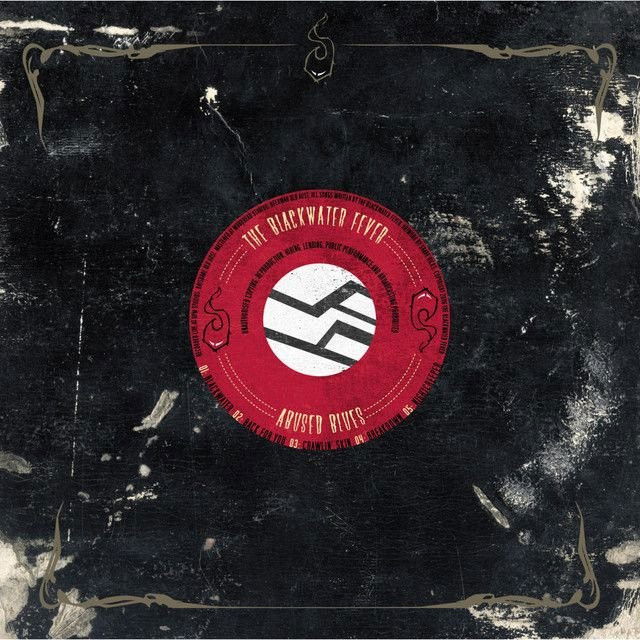
Back for You by The Blackwater Fever
A haunted promise at the song’s core
The meaning of Back for You The Blackwater Fever centers on devotion that sounds both loving and unsettling. The speaker is leaving, may even be facing death, yet keeps making one firm vow: they will return. That promise gives the song its emotional hook, but it also creates tension. This is not a gentle love ballad. It is a dark blues song where desire, danger, and obsession live side by side.
"Back for You" - The Blackwater Fever
When I'm through, I'm coming back for you
I won't leave you baby, ain't nobody gonna do you harm
Loading lyrics...
Unable to load lyrics
We're unable to display the lyrics at this time. Please try again later.
The Blackwater Fever are known for gritty blues-rock shaped by swamp blues, garage rock, and a heavy sense of menace. On their official site, the band presents that dark, rootsy identity clearly. That context matters, because this song’s words do not read like polished pop romance. They feel closer to a midnight vow made by someone already half inside the shadows.

Watch the official Back for You
music video
What the lyrics seem to say
At the plainest level, the narrator speaks to a lover before a departure. They ask for closeness now, then warn that by morning they will be gone. Even in that goodbye, they insist they are coming back for you
. The repeated line can sound comforting at first, but the more the song circles it, the more it feels haunted.
The opening deepens that unease. The singer imagines being dead and gone
, then still returning. That idea pushes the song beyond an everyday farewell. It suggests a bond so strong that even death cannot break it. Interpretation: listeners can hear this as romantic exaggeration, but they can also hear it as a ghost-story image, where love survives in a darker form.
There is also a possessive streak in the promise. The singer says ain't nobody gonna do you harm
, presenting themselves as protector. Yet because the song is so ominous, that protection can sound less safe than it first appears. The same person who guards the lover may also be the force that refuses to let them go.
Who is speaking, and why it matters
This song uses a first-person voice, but its emotional effect comes from what the speaker does not explain. They never say exactly where they are going, why they must leave, or what kind of return they mean. That gap creates mystery.
A few details stand out:
- They want physical closeness before departure.
- They expect separation by morning.
- They promise return no matter the distance.
- They connect that return with darkness and animal imagery.
Because so much is left unsaid, the voice feels mythic rather than realistic. It is less a diary entry than a blues archetype: the wandering man, the doomed lover, the spirit at the window.
Night, death, and the snake image
The strongest images in the song all point toward darkness. The moon is high. It is the dead of night. Something moves like a king snake crawling
. These details matter because they shape the song’s emotional world.
Night usually signals secrecy, longing, or danger. Here it does all three. The return is not set in daylight, where everything is clear and ordinary. It happens in darkness, where love becomes primal and uncertain.
The snake image is especially important. In American roots music, snakes can suggest temptation, threat, survival, or raw instinct. A king snake is not a soft image for romance. Interpretation: by comparing the return to that movement, the song frames love as stealthy and unavoidable. The speaker is not simply visiting. They are tracking their way back by instinct.
When the moon is high, in the dead of night
Like a king snake crawling, baby I'm calling
That brief passage works like the song’s thesis. Love arrives after dark, low to the ground, impossible to ignore.
How the sound carries the meaning
The Blackwater Fever’s style helps explain why the song lands so strongly. Their music often leans on heavy guitar tone, stomping rhythm, and a raw vocal approach that feels half sung, half summoned. In a song like this, that kind of production turns a simple lyric into something cinematic.
Instead of dressing the promise in sweetness, the arrangement likely gives it weight and grit. Slow or mid-tempo pacing makes the repeated vow feel stubborn. Fuzzy guitar and roomy drums make the track feel physical, as if it is rising from a bar stage or a back-road night drive. The vocal delivery matters too: a rough voice can make devotion sound hard-earned, even dangerous.
That is why the chorus idea works. On paper, hold me closer darling
looks tender. In performance, it may feel desperate. The band’s swampy blues setting keeps the song balanced between affection and threat.
Artist context and possible readings
The Blackwater Fever are an Australian duo associated with dark blues and outlaw moods, and songwriter Shane Hicks gives the lyric a lean, old-school structure. Rather than filling the song with plot, he uses a few strong images and lets mood do the rest. That economy is part of the song’s appeal.
There are at least two strong readings of the track:
Reading one: a love stronger than death
In this version, the song is about loyalty. Even if the speaker leaves, suffers, or dies, they still belong to the person they address. The return promise is fierce, not creepy. It says love can survive absence.
Reading two: obsession in romantic form
Here, the repeated vow becomes troubling. The speaker cannot release the relationship. Their promise to return sounds like a claim of ownership, especially when mixed with nighttime and snake imagery.
Both readings fit because the song never fully chooses between comfort and menace.
Why the song stays with listeners
The meaning of Back for You The Blackwater Fever lasts because it takes a familiar message, “I’ll come back,” and makes it strange. It turns reunion into folklore. It makes love sound eternal, but also a little feral.
That blend is the song’s real power. They offer a love song with dirt under its nails, one that feels human and ghostly at the same time.
Disclaimer: This interpretation is based on the lyrics, performance style, and available artist context. As with most songs, meanings can vary from listener to listener.







