Why "I Don't Like Mondays" Still Disturbs
The meaning of I Don't Like Mondays The Boomtown Rats starts with a real tragedy, but the song does more than retell events. It studies how ordinary language can hide something horrifying. By taking a flat, almost casual phrase and turning it into a hit single, The Boomtown Rats made a song that still feels unsettling decades later.
"I Don't Like Mondays" - The Boomtown Rats
Gets switched to overload
And nobody's gonna go to school today
Loading lyrics...
Unable to load lyrics
We're unable to display the lyrics at this time. Please try again later.
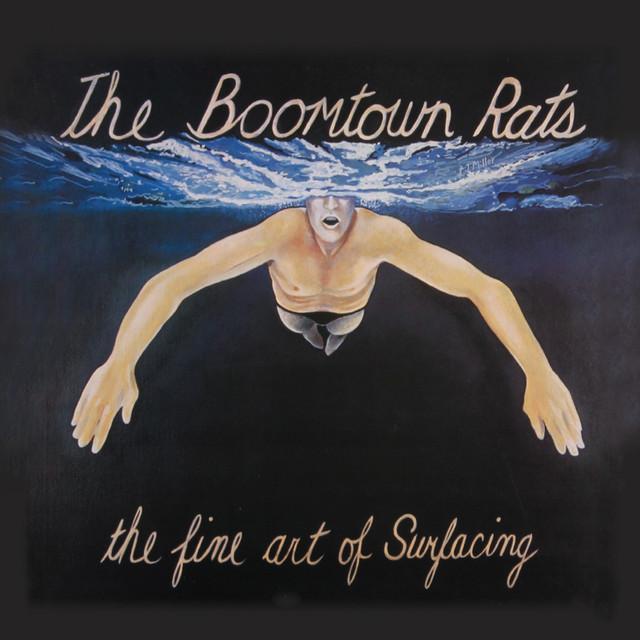
Released in 1979 as the lead single from The Fine Art of Surfacing, the track became a No. 1 hit in the UK for four weeks, though it peaked much lower in the US at No. 73. It was written by Bob Geldof and Johnnie Fingers and produced by Phil Wainman with the band. Those facts are widely documented in standard discographies and chart histories, including the song's reference material in major music databases and encyclopedia sources.
A Pop Song Built on a Real Horror
Factually, the song was inspired by the 1979 Cleveland Elementary School shooting in San Diego. Reports at the time focused on the teenage shooter's remark, which gave Geldof the title and central hook. He later explained that he wrote the song after reading a telex report during a radio interview, struck by how senseless the explanation sounded.
The song does not try to humanize the act in a comforting way. Instead, it circles around the emptiness of the event. Phrases like there are no reasons
and tell me why
show adults, police, parents, and the public searching for logic that never arrives.

Watch the official I Don't Like Mondays
music video
The Core Idea: Banality Against Violence
At the center of the song is a disturbing contrast. The title phrase I don't like Mondays
sounds petty, even childish. But in the song, that small complaint is placed next to murder and panic. That clash is the point.
Interpretation: The band seems to be showing how violence can erupt without a satisfying story behind it. Many songs about crime give listeners a motive or a villain they can understand. This one resists that. It keeps returning to a phrase so thin and ordinary that it makes the event feel even worse.
That is why the chorus hits so hard. It is not just catchy. It repeats a reason that is not really a reason at all.
How the Verses Move Through the Scene
The verses widen the frame beyond the shooter. They move through several viewpoints:
- The opening imagines a mind in breakdown, using
switched to overload
as a vivid metaphor. - Then the song shifts to family members who cannot square the act with the girl they thought they knew.
- It also shows the media machine processing the event, with the famous telex image turning tragedy into breaking news.
- Finally, it reaches the school itself, where everyday play is interrupted by death and confusion.
This structure matters. The song is not only about one person. It is also about the shock wave around them: parents, reporters, police, and children all trying to understand what happened.
The Images That Carry the Meaning
Several images make the song memorable without needing graphic detail. The line about the silicon chip inside her head
is especially striking. Geldof said it came to him while thinking through the news report. It suggests a mind behaving like a machine that has failed.
Interpretation: That image may imply emotional disconnection, media-age coldness, or a system overload that no adult around her recognized. It is not a medical diagnosis. It works better as a metaphor for malfunction and distance.
The telex machine is another strong symbol. It places the tragedy in a world of wires, headlines, and instant transmission. Even in 1979, the song understood that public violence becomes media spectacle almost immediately.
Why the Music Feels So Unnerving
A big reason the song lasts is its sound. It is often described as a piano ballad shaped by new wave and pop. Instead of fast punk rage, the arrangement is controlled and melodic. That choice creates tension.
The piano gives the song a formal, almost theatrical sadness. The drums and band entrance lift it into anthem territory, but the vocal never turns fully warm. Geldof sounds accusatory, baffled, and weary all at once.
Interpretation: The polished arrangement may be the song's sharpest trick. Because the music is so memorable, listeners are pulled into singing along before fully facing what they are singing about. That uneasy mix of beauty and horror is central to its power.
Context, Success, and Regret
The song became one of The Boomtown Rats' biggest hits and won major songwriting recognition in the UK. Yet its legacy has always been complicated. Geldof later said he regretted writing it because it helped make the shooter famous.
That regret changes how many people hear the song now. It can sound like a protest song, a media critique, and a cautionary tale about turning atrocity into pop culture all at once. Even its success raises the same question the lyrics ask: how should society talk about senseless violence without feeding it?
The Lasting Meaning
So, what is the meaning of I Don't Like Mondays The Boomtown Rats? At its core, it is a song about the terror of an explanation that explains nothing. It captures the moment when language fails, adults fail, and routine life breaks apart.
More broadly, it is about how modern culture processes shock: through headlines, repetition, and hooks people cannot forget. That is why the song still disturbs. It does not solve the mystery. It leaves listeners sitting with it.
Disclaimer: This article offers a mix of verified context and clearly labeled interpretation. As with any song, meaning can vary from listener to listener.







