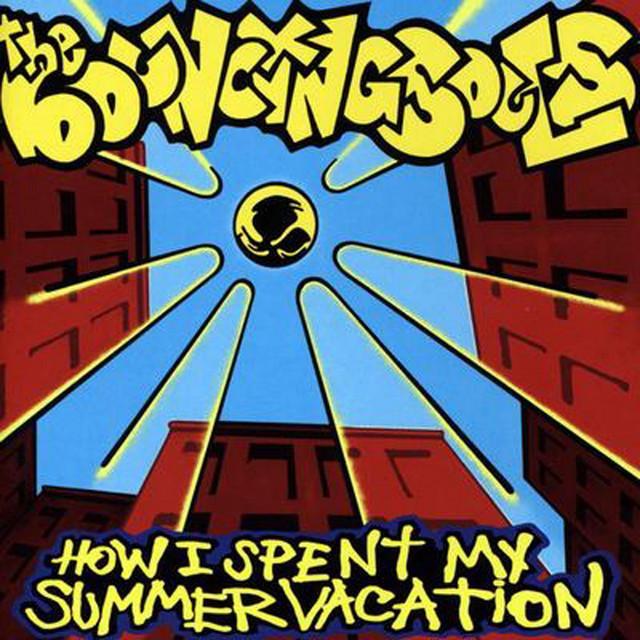
Gone by The Bouncing Souls
The meaning of Gone The Bouncing Souls centers on hard-earned change. It is a song about losing the shape of a stable life, passing through years of distance and struggle, and coming back with a different idea of what matters. Instead of sounding triumphant, it sounds reflective. The speaker has survived, but survival has left marks.
"Gone" - The Bouncing Souls
With a room and be
A porch and a driveway
Loading lyrics...
Unable to load lyrics
We're unable to display the lyrics at this time. Please try again later.
A Song About What Happens After Home Falls Away
At the start, the lyrics sketch a life that once felt rooted: a house, a porch, a driveway, a garage. Those details matter because they are ordinary. They represent safety, routine, and a version of adulthood that seemed solid. Then the song turns. That life is traded in, and the narrator is left with memory, faith, and the habit of making it through one more night.
This is the emotional core of the song. Interpretation: “Gone” is less about one dramatic event than about the slow collapse of certainty. The phrase I used to have home
says almost everything. Home is not only a place here. It is identity.
The next verses deepen that loss. When the singer says things always change
, it does not sound like a comforting truth. It sounds like a fact learned the hard way. Time has passed, and the person who returns is not the same as the one who left.
Watch the official Gone
music video
The Chorus Turns Absence Into a Plea
The chorus is built around memory and distance. The repeated request to remember them suggests shame, longing, and fear. They want to be recognized even though the years have altered them. The line five long years has gone
makes the absence feel heavy and specific.
There is also a striking phrase: I've done some time
. That can be heard in more than one way. Literally, it can hint at prison. More broadly, it can mean they have endured punishment, consequences, or a long season of hardship. Because the song never explains it fully, the ambiguity stays powerful.
Remember me next time I go away
For the first time I wanna stay
These lines are the song’s emotional pivot. After years of motion, they no longer romanticize leaving. They want permanence. That is a big shift in a punk context, where movement and escape often feel freeing.
A Rough Timeline of the Story
The narrative unfolds in a simple but effective arc:
- They remember a stable past.
- They describe years of absence and instability.
- They admit those years changed them.
- They claim to have learned what counts.
- They finally express a desire to stay.
That arc gives the song its weight. It is not just about being lost. It is about returning from being lost with clearer priorities.
What the Hardship Seems to Mean
One of the most revealing phrases is sleeping where I fall
. It paints a life without comfort or control. Whether listeners hear homelessness, touring exhaustion, addiction recovery, or post-prison instability, the message is the same: this person has lived without a dependable base.
Another key line is I know I'll never be the same
. That is where the song avoids easy redemption. They have learned, yes, but growth does not erase damage. The lesson came at a cost.
Interpretation: The song suggests that suffering can clarify values without becoming noble or glamorous. They now know “what counts,” but only because they have seen too many places they never want to be again.
Why the Sound Matters So Much
The Bouncing Souls are known for melodic punk energy, but “Gone” gains extra meaning in its reworked form on Volume 2. According to the band’s 2020 track-by-track discussion with BrooklynVegan, the project grew from acoustic sets, then expanded when producer Will Yip pushed them beyond a simple unplugged record. Pete Steinkopf said they wanted songs whose words were moving but sometimes got buried in rock arrangements, and Greg Attonito said “Gone” was satisfying to revisit because they had played it “thousands of times” and knew the vocal deeply (BrooklynVegan).
That context matters for the meaning of Gone The Bouncing Souls. A more open arrangement lets the regret, fatigue, and tenderness breathe. Instead of racing forward, the song lingers on the weight of the words. The likely effect of softer textures, roomier pacing, and a more seasoned vocal is emotional clarity.
Two Strong Readings of “Gone”
The personal reckoning reading
In this reading, the song is about one person looking back after addiction, incarceration, or self-destructive years. The references to lost home, “done some time,” and rough sleeping fit that idea. The song becomes a confession mixed with a request for grace.
The road-worn punk reading
There is another possibility. The Bouncing Souls built their identity through relentless touring and community, and many of their songs understand life through motion. In that light, “Gone” can be heard as the cost of years spent away: the road reshapes a person until even home feels distant. Here, wanting to stay becomes a mature counterpoint to restless youth.
Both readings work because the lyrics stay broad enough to hold them.
Why the Song Still Hits
What makes “Gone” last is its honesty. It does not claim that wisdom feels good. It says change hurts, memory fades, and people return carrying things they cannot undo. But it also says clarity is possible.
That is why the final emotional note lands so well. They do not just want forgiveness. They want rootedness. The song turns absence into a deeper appreciation of connection, trust, and home.
Disclaimer: This interpretation is based on the lyrics, the band’s comments about the Volume 2 reworking, and the song’s musical presentation. As with any song, listeners may hear different meanings.








