I Am a Pilgrim by The Byrds
A Folk Hymn Turned Byrds Statement
The meaning of I Am a Pilgrim The Byrds starts with a simple idea: life is a journey, and the singer sees themself as only passing through this world. The song is not just about travel in a physical sense. It is about faith, longing, and the hope of reaching a lasting home beyond pain and death.
"I Am a Pilgrim" - The Byrds
Traveling through this wearisome land
I've got a home in that yonder city, good Lord
Loading lyrics...
Unable to load lyrics
We're unable to display the lyrics at this time. Please try again later.
The Byrds did not write the song. It comes from a much older American hymn tradition, with printed roots in the 1860s and links to gospel, folk, and bluegrass repertories, as noted by Wikipedia. That history matters because The Byrds were not inventing the theme. They were joining a long line of singers who used this song to express spiritual restlessness and comfort.
Watch the official I Am a Pilgrim
music video
What the Words Are Really Saying
At the heart of the lyric is the phrase I am a pilgrim
. Before and after that line, the song makes clear that the speaker feels temporary in this world. They are a traveler in a wearisome land
, which suggests hardship, fatigue, and the burden of earthly life.
The song then shifts from struggle to hope. The promise of a better place, described as a home in a distant city, gives the singer a reason to keep going. When the lyric says that home is not made by hand
, it points to something divine rather than human-built. In plain terms, the song imagines heaven as permanent, sacred, and beyond the limits of everyday life.
Family, Death, and Reunion
Another key part of the meaning is reunion. The singer mentions loved ones who have gone ahead, including family members, and says they are on that other shore
. The song does not hide from death, but it frames death inside a faith-based story. Separation is painful, yet it is not final.
This is one reason the song has lasted. It speaks to grief without sounding hopeless. Instead of treating death as a blank ending, it presents it as crossing into another place where loved ones wait.
A short lyric moment that sums it up
I've got a mother, sister and a brother
Who have gone this way before
Those lines turn the song from broad spiritual language into something personal. The journey is no longer abstract. It becomes a family story, shaped by memory and the wish to be reunited.
The River and the Garment
The final verse introduces two strong Christian images. The river of Jordan stands for transition, cleansing, and passing from one state into another. In many gospel songs, the Jordan is more than geography. It marks the border between struggle and peace.
Then the singer says touch the hem
, echoing the New Testament story of healing through contact with Jesus' garment. The point is not magic. It is trust. The singer believes even the smallest contact with divine grace could bring rescue and rest.
Interpretation: In this reading, the song is not only about the afterlife. It is also about the need for mercy now. The singer sounds tired, but still confident that healing is possible.
Why The Byrds Were a Good Fit for It
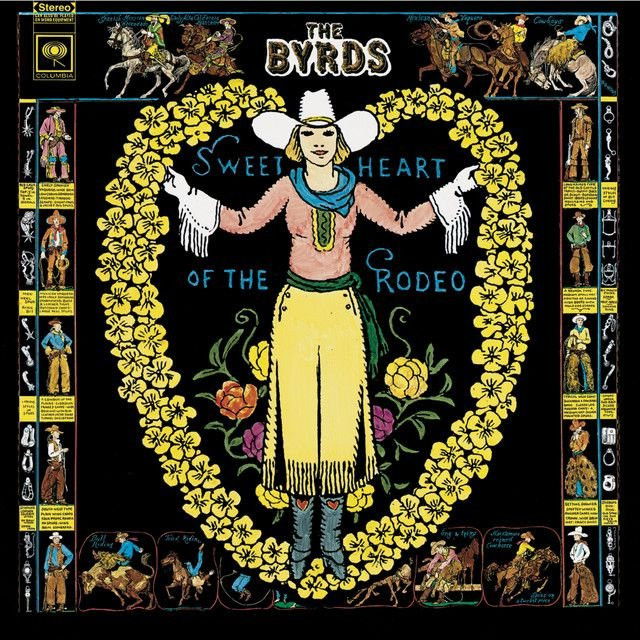
The Byrds were especially suited to this material because they often worked where folk tradition met rock experimentation and country feeling. Their version of “I Am a Pilgrim” arrived during the period when the band was moving more deeply into country-rock territory, most famously around Sweetheart of the Rodeo. Even when they borrowed older songs, they helped place them before a new audience.
That context changes how listeners hear the track. In The Byrds’ hands, the song becomes more than a church hymn. It also sounds like an American road song, one shaped by migration, loneliness, and the search for belonging.
How the Sound Carries the Meaning
The arrangement matters a lot. The Byrds’ approach keeps the song grounded and uncluttered, which suits its plainspoken message. The steady rhythm feels like forward motion, almost like footsteps. Acoustic and country-leaning textures support the idea of travel and tradition.
Their vocal style also matters. Rather than overdramatizing the lyric, they let the melody carry calm conviction. That restraint helps the song feel sincere. A louder or flashier performance might have made it sound preachy, but The Byrds make it sound lived-in.
This is important to the meaning of I Am a Pilgrim The Byrds: the music mirrors the lyric’s mix of weariness and assurance. The singer sounds tired, yes, but not defeated.
More Than One Meaning
There is a clear Christian meaning here, supported by biblical allusions and hymn history. Factually, the song draws on ideas linked to 1 Peter, Hebrews, and the Gospel story behind the garment image.
Interpretation: At the same time, some listeners may hear it more broadly. The “pilgrim” can also represent anyone who feels out of place in the modern world. In that sense, the song speaks to homesickness, exile, and the human wish for peace.
That wider reading helps explain the song’s reach across gospel, folk, bluegrass, and rock. Its language is religious, but its emotions are universal.
Why the Song Still Connects
The song endures because it is humble, direct, and emotionally clear. It admits that life can feel hard, lonely, and temporary. But it also insists that suffering is not the whole story.
For many listeners, that balance is the core of its power. The Byrds preserved the old spiritual message while giving it a fresh musical frame. They made an inherited song feel immediate again.
In the end, the meaning of I Am a Pilgrim The Byrds is about moving through hardship with faith in a final home, a healed soul, and reunion beyond loss. That is a deeply Christian message, but also a deeply human one.
Disclaimer: This interpretation blends documented song history with critical reading of the lyrics and performance. Different listeners may hear the song in different ways.







