Why 'My Best Friend's Girl' Still Stings
The meaning of My Best Friend's Girl The Cars comes down to one painful idea: losing someone twice. First, the narrator loses the girl. Then he has to watch her with someone who should be safe territory—his best friend. That mix of envy, wounded pride, and forced cool is what gives the song its lasting bite.
"My Best Friend's Girl" - The Cars
With your suede blue eyes
And every new boy that you meet
Loading lyrics...
Unable to load lyrics
We're unable to display the lyrics at this time. Please try again later.
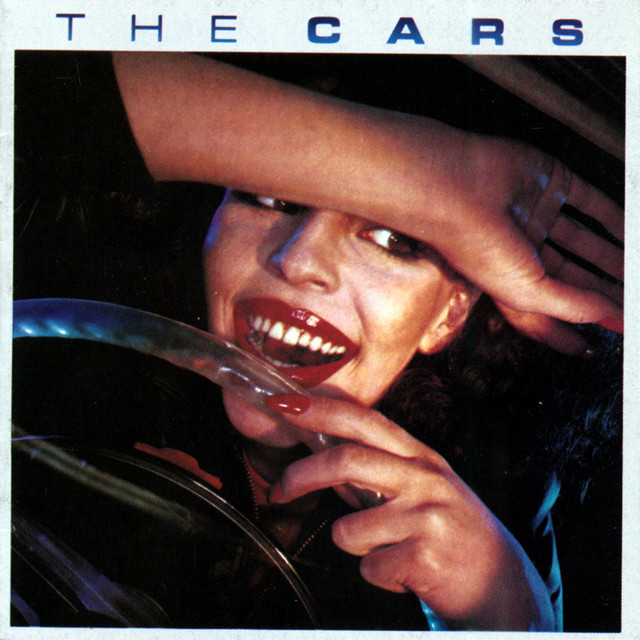
Released on The Cars’ 1978 debut album and issued as a single later that year, the track was written by Ric Ocasek and produced by Roy Thomas Baker. It reached No. 35 on the U.S. Billboard Hot 100 and No. 3 in the UK, becoming one of the band’s best-known early songs.
The Central Wound Hiding in a Pop Hook
On the surface, the song sounds breezy and fun. Underneath, it is about social humiliation. The narrator watches a woman who once dated him move on, and not just with anyone. The shock lands in the short, famous turn: used to be mine
.
That phrase matters because it is not just about romance. It is about status, memory, and control. He cannot stop comparing the past with the present, and every time he sees her, the old connection feels both real and gone.
Interpretation: The song is less about true ownership than about bruised ego. The narrator sounds hurt, but also trapped in a very teenage kind of competition, where love and rivalry blur together.

Watch the official My Best Friend's Girl
music video
Who They Seem to Be in the Story
The song uses a first-person voice, but the emotional picture is bigger than one person. The narrator studies her from a distance and talks like someone trying to act casual while clearly not being casual at all. He notices her style, her confidence, and the effect she has on other people.
Short details like dancing down the street
and suede blue eyes
make her seem vivid and magnetic. He is not over her, and the song never pretends otherwise.
Ric Ocasek later said the song was not autobiographical, calling it something that probably happened to a lot of people. That helps explain why the lyric feels broad and relatable instead of diary-like.
How the Chorus Changes Everything
Before the hook, the verses can sound like a simple portrait of a cool, irresistible girl. Then the chorus snaps the frame into place with my best friend's girl
. Suddenly, admiration turns into loss.
That twist was important in the writing process too. Ocasek said he realized late that the lyric did not actually include the title, so he added the chorus afterward. That late addition gave the song its sharpest emotional point.
She's my best friend's girl
But she used to be mine
Those lines are the whole drama in miniature. He is not only remembering the relationship; he is measuring his present pain against his friend’s current happiness.
Small Images, Big Feelings
A lot of the lyric’s charm comes from odd, stylish details. Phrases like nuclear boots
suggest a cartoonish, larger-than-life image. She is not described in a soft, tender way. She comes across as flashy, modern, and a little dangerous.
That matters because the narrator seems half in awe and half in pain. He is not just mourning a breakup. He is still dazzled by her. Even when he knows she causes trouble, he cannot stop looking.
Interpretation: The song may be mocking his own weakness a little. There is humor in how intensely he watches her, almost like he knows he is acting foolish but cannot help it.
Why the Music Feels So Happy
One reason the song works so well is the mismatch between sound and story. Critics noticed that tension early. Billboard praised its catchy handclaps and youth-friendly energy, while later reviewers pointed out how cheerful it sounds for a song about romantic defeat.
That contrast is built into the arrangement. The track mixes new wave, power pop, and rockabilly, with handclaps, a bright guitar riff, keyboards, and layered backing vocals. According to reporting on the song’s making, Ocasek used a Fender Jazzmaster through an Ampeg VT-22, while Roy Thomas Baker stacked the harmony on Here she comes again
into a huge vocal effect.
The result is clever: the music moves like a victory lap, but the lyric is a loss. That creates irony. The narrator may be hurting, but the band refuses to mope.
Context That Deepens the Meaning
The Cars were masters at turning cool surfaces into emotional songs. Their debut album blended sleek modern production with older pop and rockabilly touches, and this song is a perfect example. It was recorded at AIR Studios in London in 1978, and the finished master was even sped up from its original key, which helped give the released version extra snap.
The song also had momentum before its official release. Demo airplay in Boston reportedly drew strong listener response, helping establish The Cars before they fully broke through. That early reaction makes sense: the premise is instantly clear, and the hook is impossible to forget.
Why It Still Connects
The meaning of My Best Friend's Girl The Cars lasts because the situation is so common and so awkward. Many breakup songs are private. This one is public. The narrator cannot heal quietly because the reminder keeps walking past him.
It also captures a very real emotional contradiction: sometimes people resent an ex and still find them irresistible. The song never resolves that conflict. It just packages it inside one of the smartest pop singles of the late 1970s.
Final Take
“My Best Friend’s Girl” is about jealousy dressed up as fun. Its hook turns attraction into rivalry, and its bright sound makes the sting hit even harder. That balance is what makes it one of The Cars’ defining songs.
Disclaimer: This interpretation separates documented facts about the song from critical reading. As with most pop songs, some meaning remains open to listener interpretation.









