Why 'You Might Think' Still Feels So Addictive
When people search for the meaning of You Might Think The Cars, they usually find a song that sounds playful on the surface but feels more complicated underneath. The Cars built a hit that is sweet, restless, and slightly unbalanced all at once.
"You Might Think" - The Cars
To hang around with you
Or maybe you think I'm lucky
Loading lyrics...
Unable to load lyrics
We're unable to display the lyrics at this time. Please try again later.
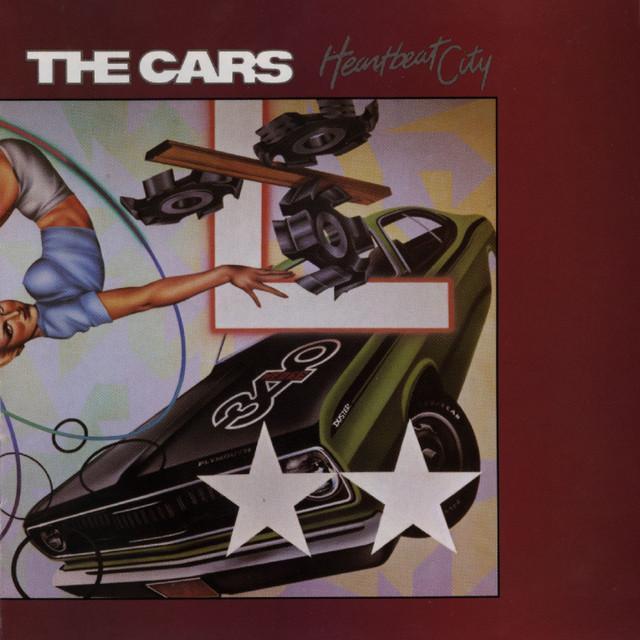
Released in February 1984 as the first single from Heartbeat City, the song was written by Ric Ocasek and produced by Robert John “Mutt” Lange with the band. It became a major hit, reaching No. 7 on the Billboard Hot 100 and No. 1 on the Mainstream Rock chart. It also helped define the Heartbeat City era, one of the band’s biggest commercial peaks.Wikipedia
The Heart of the Song Is Romantic Obsession
At the simplest level, the song is about someone who knows they look irrational in love. The narrator imagines how others might judge them, then answers that judgment with blunt honesty. The repeated idea behind you might think I'm crazy
is not really self-defense. It is an admission that love has already overruled common sense.
That is why the hook lands so well. Instead of making a detailed case for the relationship, the narrator reduces everything to desire: all I want is you
. In plain terms, they know the relationship is difficult, but they want it anyway.
Interpretation: this is not a balanced love song. It is about attraction so strong that embarrassment becomes part of the experience.

Watch the official You Might Think
music video
A Narrator Who Sees the Chaos Clearly
One reason the lyrics work is that the speaker is not blind. They notice the other person’s contradictions. They call them wild
, but also fragile. They see performance and vulnerability at the same time, especially in the line about a fragile smile
.
That detail matters because it keeps the song from becoming a simple complaint. The narrator is not only frustrated. They are fascinated. The other person seems dramatic, elusive, and emotionally hard to read, yet those very traits seem to increase the attraction.
Love, Ego, and the Movie in Their Head
The verse about thinking you're in the movies
suggests someone who turns everyday emotion into drama. Everything feels larger, deeper, more theatrical than it really is.
That idea gives the song a sly edge. The narrator is chasing someone who may be self-mythologizing, but they are also caught in their own fantasy. Both people may be acting out versions of romance instead of living something stable.
How the Story Moves From Teasing to Surrender
The song does not tell a detailed plot, but it does sketch a clear emotional arc:
- The narrator starts by admitting that others may see them as foolish.
- They describe the other person as magnetic but difficult.
- They hint that the relationship causes pain and humiliation.
- They end up right where they started: still wanting the other person.
That pattern makes the song feel circular on purpose. No lesson is learned, and no clean resolution appears. The attraction repeats itself.
You might think I'm crazy
But all I want is you
Those lines are the song’s emotional engine. They strip away the sarcasm and reveal the simplest possible truth.
The Sound Makes the Obsession Feel Fun
A big part of the meaning of You Might Think The Cars comes from the arrangement. The track is brisk, bright, and polished, with sharp guitars, prominent keyboards, and the sleek studio control associated with Heartbeat City. Greg Hawkes used Fairlight CMI textures, while Elliot Easton’s guitar adds a punchy, melodic edge.Wikipedia
Mutt Lange’s production matters here too. He was known for highly detailed, radio-friendly records, and that precision helps the song move with bounce instead of heaviness. Even when the lyrics describe strain, the music feels aerodynamic.
Interpretation: that contrast is the point. If the same lyric were placed in a slower ballad, it might sound desperate. Here, it sounds thrilling, almost comic, which makes the obsession easier to enjoy.
The Video Turned the Song Into Pop Culture
The song’s meaning also grew through its famous video. In 1984, the clip used then-advanced computer effects to show Ric Ocasek appearing in surreal forms while pursuing the woman at the center of the story. The imagery turned romantic fixation into visual comedy, making the song seem self-aware rather than threatening.Wikipedia Songfacts
That video became historic. It won the first MTV Video Music Award for Video of the Year and reportedly cost about $80,000, far above the average video budget at the time.Wikipedia
This matters because the clip reinforces how exaggerated the song already is. The narrator does not just miss someone; they become cartoonishly consumed by them.
Two Strong Ways to Read It
There are at least two solid readings of the song:
Reading One: A Lovestruck Confession
This is the most direct view. The narrator knows the relationship is messy, but they are willing to look ridiculous because the feeling is real.
Reading Two: A Song About Emotional Imbalance
A second reading is darker. The song may be showing how desire traps people in unequal relationships. The phrases about being put through trouble and coming back around suggest a cycle that is not healthy, even if it is exciting.
Both readings fit because the song never fully chooses between romance and self-mockery.
Why the Song Still Connects
The Cars were always good at mixing cool surfaces with uneasy feelings, and this track is one of their clearest examples. It is catchy enough to feel casual, yet specific enough to capture the strange pride people sometimes take in wanting someone who makes no sense.
That is why the meaning of You Might Think The Cars still resonates. It understands that love can feel embarrassing, addictive, funny, and painful at the same time.
Disclaimer: This interpretation is based on the released lyrics, recording, and documented context. As with most songs, listeners may hear meanings that differ from the artist’s exact intention.







