Why 'Don't Fall' by The Chameleons Feels Like Panic
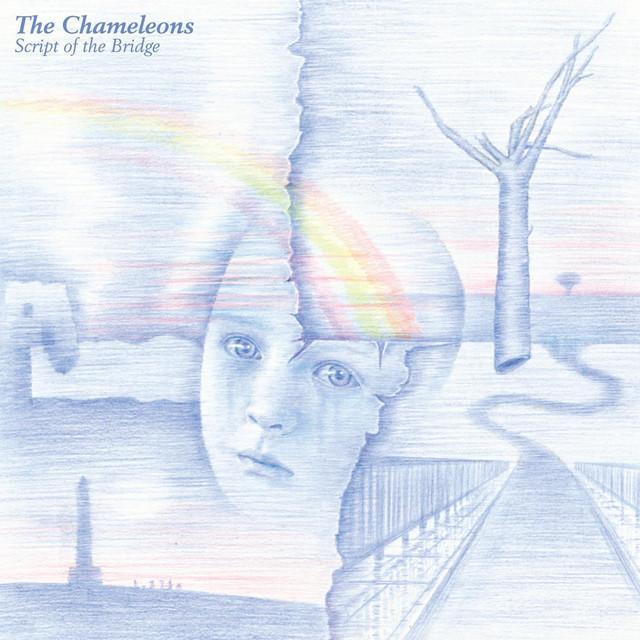
The meaning of Don't Fall The Chameleons starts with a feeling many listeners know right away: panic, confusion, and the fight to stay upright when reality seems to shift. Released on the band's 1983 debut album Script of the Bridge, the song turns private fear into something huge and physical. Their guitars shimmer, the drums push hard, and Mark Burgess sings like he is trying to hold himself together in real time.
"Don't Fall" - The Chameleons
Shapes in the hall I'm running for the door
I'm out on the edge but I'm not defeated yet
Loading lyrics...
Unable to load lyrics
We're unable to display the lyrics at this time. Please try again later.
At its core, the song seems to be about mental and emotional overload. The words describe rooms, faces, and distorted perception, but the repeated warning not to collapse gives the track its center. It is not just a portrait of fear. It is also a command to survive it.
The Song's Core Idea: Hold On Through the Breakdown
A simple way to hear the song is as a struggle against a spiraling state of mind. The speaker feels trapped in a space that should be familiar, yet suddenly feels hostile. Images blur. Time feels unstable. The world no longer fits the expected order.
That is why the refrain matters so much. When they repeat Don't fall
, it sounds like self-talk, but also like a friend speaking from the outside. The phrase is short, but it holds the whole song together. It means: do not give in, do not disappear, do not let fear define what happens next.
Interpretation: The song may describe a panic attack, a nightmare, or a broader psychological crisis. The lyrics never lock into one exact event, and that openness is part of their power.

Watch the official Don't Fall
music video
A Mind Turning Against Its Surroundings
The verses sketch a person moving through spaces that feel wrong. A room has been seen before, but now it carries dread. Hallways become threatening. Faces appear where they should not. The line Nothing's familiar
captures the key emotional shift: the ordinary has become frightening.
That matters because the song is not built on an outside villain. The enemy is disorientation itself. Even the phrase scheme of things
suggests a broken pattern, as if reality has slipped out of alignment. When someone can no longer trust what they see, fear grows fast.
There is also a personal dimension in the way Burgess calls out his own name in the lyric. That detail gives the song a shock of intimacy. It sounds like identity itself is under pressure, as if the singer is hearing himself from outside his body.
The Chorus as Rescue Rope
What makes the song memorable is the contrast between chaos and insistence. The chorus does not explain the crisis. It answers it. Instead of giving listeners a neat story, it gives them a survival phrase.
Don't fall my friend
This nightmare never ends
Those lines frame the song's emotional world. The nightmare may continue, but the command to endure remains. That is a dark message, yet not a hopeless one. The goal is not instant escape. The goal is to last through the terror.
Later, the lyric pushes that idea further with back's against the wall
and the striking phrase roaring silence
. Paraphrased, the song says that pressure can be overwhelming even when nothing visible is attacking. Silence itself can feel loud when anxiety takes over.
Images of Fear, Shame, and Distortion
Some of the song's strongest images feel dreamlike. A room is described as running red. Fear gathers in small details. Even clothing becomes loaded with tension. These touches give the song the logic of a nightmare, where ordinary objects suddenly feel charged with danger or guilt.
Interpretation: One reading is that the song captures a dissociative episode, where the speaker is detached from surroundings and even from self. Another reading is that it dramatizes social and emotional collapse: shame, pressure, and confusion flooding the mind until every object seems menacing.
The final line, Mistakes don't matter
, is especially interesting. It can sound comforting, almost merciful. After all the pressure, the song briefly suggests release from self-blame. That idea softens the track's darkness and gives it a fragile kind of compassion.
Why the Music Feels as Important as the Words
The meaning of Don't Fall The Chameleons is carried not only by lyrics but by sound. The Chameleons were known for layered guitars, forceful drumming, and a sense of emotional scale that helped shape post-punk and early dream-pop listeners' expectations. On the album overview, the band's debut is still presented as a defining statement, and this song shows why.
The guitars do not simply decorate the track. They create motion and unease, like thoughts circling too fast. The rhythm section keeps pressing forward, which mirrors the lyric's demand to keep going. Burgess's vocal delivery adds urgency because he sounds strained but never defeated.
That mix of tension and momentum is crucial. If the arrangement were softer, the song might feel like pure sadness. Instead, it feels active, almost combative. They make panic sound physical, but they also make resistance sound possible.
Artist Context and Why the Song Lasts
The Chameleons came from the early 1980s Manchester scene, but their music often reached beyond standard post-punk bleakness. They were dramatic without becoming theatrical, and emotional without losing edge. In that context, "Don't Fall" fits their gift for making inner life sound epic.
Its lasting appeal comes from that balance. Listeners who have felt anxiety hear recognition in it. Listeners who have not can still feel the intensity through the music. The song remains vivid because it never reduces fear to a simple message.
Final Take on the Meaning
The meaning of Don't Fall The Chameleons is best understood as a song about staying intact while the mind and world seem to come apart. Its images of strange rooms, false familiarity, and pressure from within all build toward one urgent idea: endure.
That is why the song still hits so hard. It does not promise peace. It offers a voice in the middle of panic saying to keep standing. Interpretation disclaimer: song meaning is never fully fixed, and this reading is an informed interpretation based on the lyrics, performance, and known band context.








