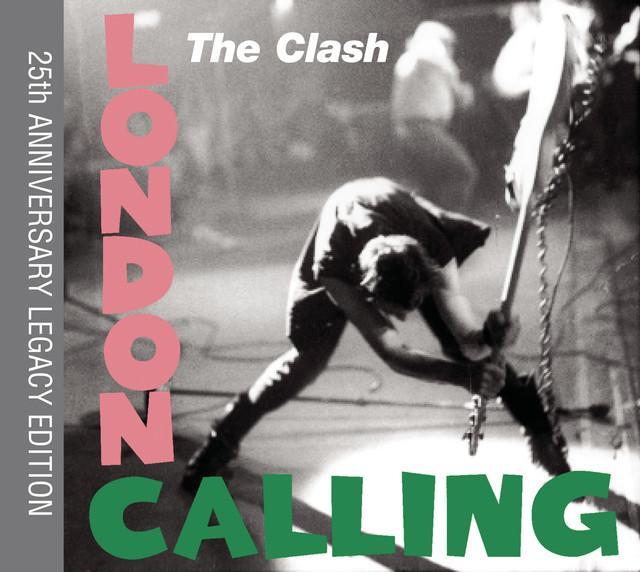
Rudie Can't Fail by The Clash
The meaning of Rudie Can't Fail The Clash starts with a simple clash of values: older voices demand discipline, while the song’s hero answers with style, nerve, and refusal. On the surface, it is playful and catchy. Under that surface, it is a sharp defense of young people who are judged for not living by someone else’s rules.
"Rudie Can't Fail" - The Clash
On the route of the nineteen bus
We hear them sayin'
Loading lyrics...
Unable to load lyrics
We're unable to display the lyrics at this time. Please try again later.
A Rebellion Dressed in Ska
Released on London Calling in 1979, the song showed how far The Clash had stretched beyond basic punk. Standard references place it on that landmark album and note its duet-style vocal from Joe Strummer and Mick Jones, produced during the band’s genre-blending peak.Wikipedia
The title points toward the Jamaican rude boy tradition. That matters because the song is not just about being lazy or wild. It is about a social type: the young outsider who is called irresponsible, but who also represents freedom, attitude, and refusal to submit. In that sense, the song celebrates a person dismissed as rude and reckless
by people who think adulthood means obedience.
Watch the official Rudie Can't Fail
music video
What the Song Is Really Saying
At its heart, the track stages an argument. Authority figures complain about manners, work, and respectability. The singer answers back. They do not deny that their lifestyle looks messy from the outside. Instead, they reject the whole idea that a meaningful life must look neat, useful, and approved.
That is why one of the key lines is can’t live in service
. The phrase pushes against a life built around pleasing bosses, elders, or institutions. The song’s character would rather risk being judged than become a model citizen in someone else’s script.
Interpretation: this is less a song about failure than about who gets to define success. The “rudie” may look unserious, but the song suggests that conformity can be its own kind of spiritual defeat.
How the Verses Build That Meaning
The lyrics move through a series of complaints and responses:
- Adults criticize the character’s habits and image.
- The singer answers with humor and pride.
- The pressure grows into a larger social demand: calm down, get a proper job, act respectable.
- The chorus flips that judgment into defiance:
Rudie can’t fail
.
One especially important moment is the line about going to the market to realize my soul
. That phrase gives the song more depth than a simple party anthem. The character is not only dodging work. They are searching for identity, purpose, and self-worth in a world that keeps pressing them to become something ordinary.
I went to the market to realize my soul
What I need I just don't have
This is the article’s only multi-line lyric quote because it captures the song’s emotional center. Beneath the swagger, there is lack, hunger, and frustration. The character wants something real, but the world keeps offering rules instead.
The Sound Makes the Message Feel Free
Part of the meaning of Rudie Can't Fail The Clash comes from how it sounds. Sources describe it as a reggae- and ska-rooted song with pop and soul flavor, driven by horns and bounce rather than pure punk attack.Wikipedia That choice is crucial.
Instead of sounding trapped or bitter, the track feels loose, bright, and alive. The bass moves with swagger. The rhythm guitar chops along with ska energy. The vocals sound conversational, almost like a street-corner back-and-forth. Songfacts also notes that the song grew out of studio jamming, which helps explain why it feels spontaneous and communal rather than rigidly constructed.Songfacts
That musical lift changes the message. If the same words were delivered as a grim punk rant, the song might sound defensive. Here, it sounds confident. The groove says the rudie is already winning by refusing shame.
Cultural Roots Behind the Attitude
The Clash often drew from Jamaican music and London’s mixed cultural life. Songfacts cites Joe Strummer saying the lyrics came from a summer of West Indian blues dances and brew for breakfast
.Songfacts That detail matters because it ties the song to lived observation, not borrowed style.
The track also includes nods to Jamaican artists and imagery, including the line about being born for a purpose
, often linked to Dr. Alimantado in reference guides.Wikipedia These references make the song feel like a tribute as much as a protest song.
A Mockery of Respectable Power
Near the end, the song takes a comic swipe at dressed-up authority. The boss figure in the sharp outfit is not admired. He is teased. That turn is important because it shows how the song sees power: often silly, overdressed, and too pleased with itself.
Interpretation: the rudie is judged as a failure, but the song hints that respectable society is hollow too. The polished adult world may have jobs, manners, and nice suits, yet it can still look ridiculous.
Why the Song Still Lands
The song lasts because its tension never goes away. Every generation hears the same message in new forms: settle down, be realistic, stop embarrassing yourself. “Rudie Can’t Fail” answers that pressure with rhythm, wit, and refusal.
For many listeners, that is the real meaning of Rudie Can't Fail The Clash: a defense of people who are called irresponsible when they are really protecting their freedom. It is joyful, but it is not shallow. It says identity matters more than approval.
Final Take
The Clash turned a catchy ska-punk hybrid into a song about class, youth, style, and resistance. They made rebellion sound fun without making it empty. That is why the chorus still feels so strong.
Disclaimer: This interpretation combines documented context with critical reading. Like many great songs, "Rudie Can't Fail" can support more than one meaning depending on the listener.







