'74-'75 by The Connells: A Quiet Song About Time
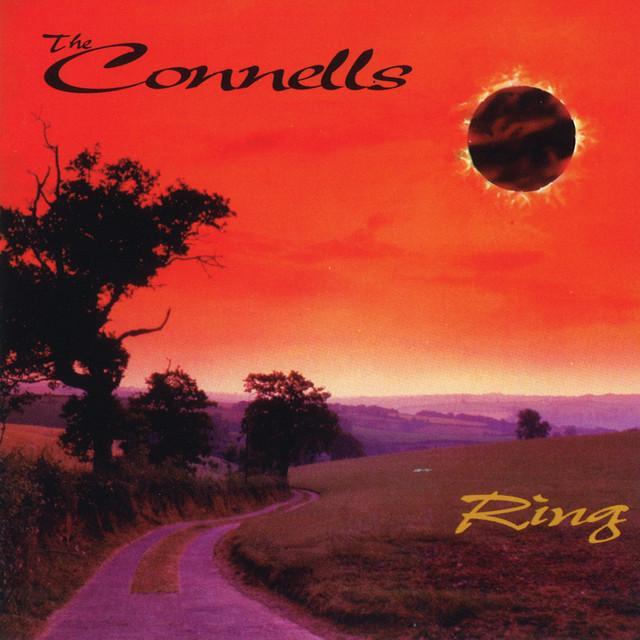
The meaning of '74-'75 The Connells often gets tied to nostalgia first, but the song works because it holds two feelings at once: heartbreak and the long shadow of memory. Released on Ring in 1993, the track was written by Mike Connell and later became an unexpected European hit in 1995, even though it did not chart in the United States according to Wikipedia. That split between modest U.S. impact and huge overseas success fits the song itself: understated, intimate, and stronger with time.
"'74-'75" - The Connells
And the rain runnin' down
There's no reason
Loading lyrics...
Unable to load lyrics
We're unable to display the lyrics at this time. Please try again later.
The Heart of the Song Lies in Regret
At its core, this is a breakup song, but not a loud one. Mike Connell himself described it as basically a failed relationship song, a plainspoken comment reported by Wikipedia. That matters because the lyric does not present a dramatic fight or a clear story. Instead, it captures the fog that follows emotional damage.
The speaker sounds caught between memory and acceptance. When they say got no reason
, the phrase suggests confusion more than anger. They are not trying to win the other person back so much as trying to understand why the connection still lingers.
Another key phrase is rain runnin' down
. That image gives the song a blurred, washed-out mood. It feels like the world outside matches the speaker's inner state.

Watch the official '74-'75
music video
Why the Chorus Hurts So Much
The chorus is where the song turns deeply personal. The line sorry ever after
twists the idea of a happy ending into something sadder. Instead of a fairy-tale future, the speaker imagines a life marked by apology, loss, and unfinished feeling.
The repeated title phrase seventy-four, seventy-five
is the song's biggest mystery. Interpretation: in the lyric alone, it sounds like a timestamp, a private marker for when something changed. It may point to an age, a year, or simply a period that now feels sealed off by memory.
That ambiguity is one reason the song lasts. Listeners can hear their own past in it.
The Video Changed How Many People Hear It
Part of the meaning of '74-'75 The Connells comes from its famous video. Directed by Mark Pellington and filmed at Broughton High School in Raleigh, the clip shows members of the class of 1975 alongside their older selves in 1993, according to Wikipedia. That visual concept made the song feel like a meditation on aging, lost youth, and the distance between who people were and who they became.
So, factually, the song was written as a relationship song. But culturally, the video widened its meaning. It invited people to connect the lyric to yearbooks, old faces, and the shock of time passing.
I was the one who let you know
I was your sorry ever after
In that brief moment, the speaker seems to admit guilt and grief at the same time. They believe they played a real part in the ending, and that self-blame gives the song its ache.
A Gentle Sound Carries Heavy Feeling
Musically, the track is soft but not weak. It is built around a simple chord pattern and acoustic foundation, with a mid-tempo pace and clean arrangement, as summarized by Wikipedia. Reviews described it as a gently strummed, laid-back song, which helps explain why the emotion sneaks up on listeners.
Doug MacMillan's vocal is key. He does not oversing the lyric. Instead, the calm delivery makes lines like I'll do better
sound uncertain rather than triumphant. The phrase suggests hope, but a fragile kind. It is as if improvement is possible only after accepting what is already gone.
This is also why the record traveled so well internationally. Its feeling is clear even when the lyric remains elusive. By 1995, it had reached the top 10 in 11 European countries and hit No. 1 in Sweden and Norway, per Wikipedia. The emotional message did not need much explanation.
Two Strong Readings of the Lyrics
Reading One: A Private Breakup Memory
The most grounded reading is the simplest one. The speaker is revisiting a failed relationship, feeling responsible, and replaying the moments that still echo. In this view, the title phrase marks the era of that relationship or the emotional before-and-after point that still defines them.
Reading Two: A Song About Time Itself
Interpretation: because of the video and the refrain's open-ended nature, many hear the song as being about growing older. The lost relationship then becomes part of a bigger truth: people look back, recognize former selves, and realize life did not stay where they left it.
Both readings can coexist. That is why the song feels richer than its plain wording might suggest at first.
Why '74-'75 Still Connects
The meaning of '74-'75 The Connells endures because the song never explains too much. It leaves space for regret, nostalgia, and self-recognition. They made a track that sounds modest, but its emotional reach is wide.
For some listeners, it is about one person they never got over. For others, it is about opening an old yearbook and seeing time all at once. Either way, the song understands a hard truth: memory is rarely clean, and love does not always end when the relationship does.
Disclaimer: This interpretation blends documented background with informed reading of the lyrics and video. As with many songs, some meanings remain open to the listener.








