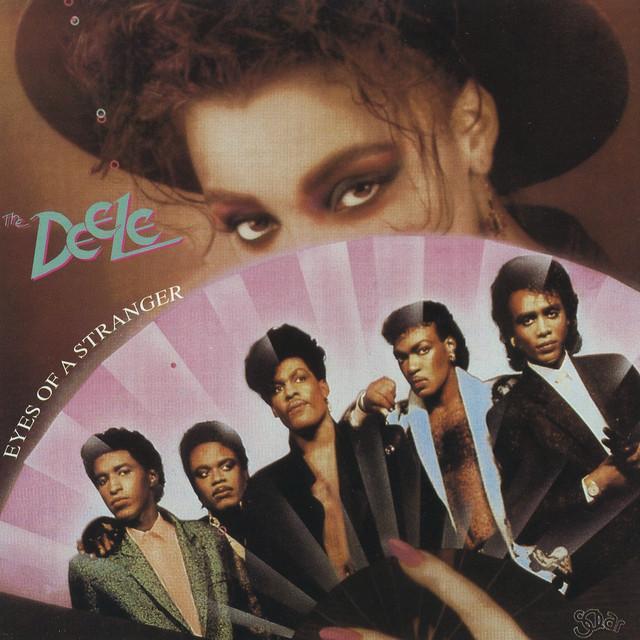
Two Occasions by The Deele
Why This Quiet-Storm Hit Still Lands
The meaning of Two Occasions The Deele comes down to a simple idea: real love is not seasonal, temporary, or convenient. The song argues that true devotion lasts through every mood and every time of year.
"Two Occasions" - The Deele
But it's not enough
To satisfy emotions
Loading lyrics...
Unable to load lyrics
We're unable to display the lyrics at this time. Please try again later.
Released as a single from Eyes of a Stranger in late 1987, the track was written by Kenneth "Babyface" Edmonds, Darnell "Dee" Bristol, and Sid Johnson, and produced by Babyface and L.A. Reid. It became one of The Deele's signature songs, peaking at No. 10 on the Billboard Hot 100 and No. 4 on the Hot Black Singles chart, a strong sign of its crossover appeal (Wikipedia).
Watch the official Two Occasions
music video
The Heart of the Message
At its core, the song rejects love that only fits a moment. The verses move through the seasons to test different kinds of romance. Summer is exciting, winter is warm, autumn is sentimental, and spring feels new. But each image gets questioned.
The singer keeps coming back to one belief: if a relationship is real, it should not fade when the weather changes. That is why brief phrases like summer love
and winter love
matter. They are not just pretty settings. They stand for relationships tied to feeling, comfort, or timing rather than commitment.
Interpretation: The song is less about one specific memory than about a standard for love. They are not asking for a fling that feels good in one season. They want something that can endure.
How the Seasons Build the Story
The songwriting is clever because it uses familiar images instead of complex plot details. Each season acts like a small test:
- summer suggests passion and beauty
- winter suggests closeness and shelter
- autumn suggests change and possible loss
- spring suggests renewal and fresh attraction
The key point is that none of these alone is enough. When the song wonders whether love disappears after the leaves are gone, it turns nature into a question about loyalty. In plain terms, they are asking whether love survives after the exciting part ends.
That is why the repeated idea every time I close my eyes
feels important. It shifts the song from outer seasons to inner feeling. The weather changes, but the emotional picture stays the same.
What the Chorus Really Means
The hook gives the song its most memorable line: day and night
. It is playful, but it also sharpens the whole theme. Saying they think of this person on only two occasions sounds almost like a joke, and then the song reveals the answer: all the time.
That line turns longing into total devotion. It also keeps the song from sounding abstract. Instead of speaking about eternity in a grand way, it uses a phrase anyone can understand.
Interpretation: The chorus works because it balances certainty and vulnerability. The singer sounds fully committed, but there is also a hint of ache in lines like go for broke
. They are willing to risk everything to make the relationship real.
The Voice Behind the Plea
One reason the song hits so hard is its vocal approach. According to available song history, it is the only track on Eyes of a Stranger to feature Babyface on lead vocals, alternating with Bristol and Carlos "Satin" Greene (Wikipedia). That matters for meaning.
Babyface's delivery gives the song softness rather than drama. He does not oversing the lines. Instead, the performance feels steady, almost conversational, which fits a message about lasting love. The restraint makes the emotion believable.
There is also a gentle tension in the phrasing. Even when the singer sounds sure of their feelings, the melody carries yearning. That mix of confidence and need is a big part of why the song still connects.
How the Production Carries the Emotion
Critic Craig Lytle called it a quiet-storm classic
with a superb arrangement and production (Wikipedia). That description fits. The record is smooth, slow, and polished, but never sleepy.
The arrangement supports the lyric in three main ways:
- Soft keyboards and layered harmonies create warmth, matching the song's romantic promise.
- A steady mid-slow groove keeps the feeling grounded, as if the devotion is constant rather than impulsive.
- Clean vocal spacing leaves room for the words to land, which helps the repeated hook feel intimate.
This is classic late-1980s R&B craftsmanship. Babyface and L.A. Reid were already showing the style that would define so much mainstream soul and pop in the years ahead.
Why the Song Lasted Beyond Its Era
The legacy of "Two Occasions" also helps explain its meaning. It won a BMI Pop Award and remained culturally visible through later references, including Mariah Carey's nod to Babyface and the song in "We Belong Together" (Wikipedia). Songs usually last when they express a feeling people keep returning to.
In this case, that feeling is simple but powerful: wanting a love that does not expire. The song does not describe a perfect relationship. It describes a hope for constancy.
That is the lasting meaning of Two Occasions The Deele. It is a romantic statement about love that survives changing conditions, and it wraps that idea in one of the smoothest hooks of its era.
Final Take on Its Lasting Meaning
"Two Occasions" endures because it says something timeless in a clear, elegant way. It takes everyday images, turns them into emotional symbols, and then ties everything together with a chorus about constant thought and commitment.
Interpretation disclaimer: This reading is an informed interpretation based on the lyrics, recording context, and documented song history. As with any song, listeners may hear personal meanings that go beyond the artist's confirmed intent.







