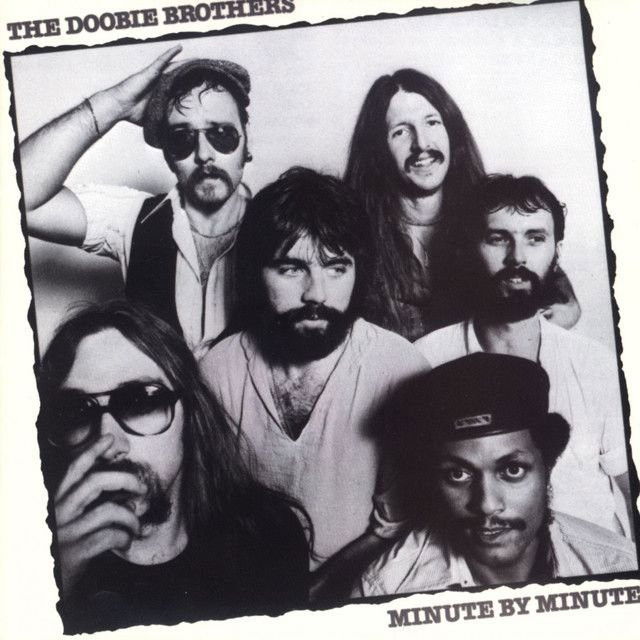
What 'Minute by Minute' Is Really Saying
The meaning of Minute By Minute The Doobie Brothers comes down to emotional survival. The song follows someone who knows a relationship is shaky, knows promises may not last, and still keeps going one moment at a time. Instead of making a big dramatic exit, they endure the uncertainty and quietly prepare for the day it falls apart.
"Minute By Minute" - The Doobie Brothers
I've been here many times before
Girl, don't you worry, I know where I stand
Loading lyrics...
Unable to load lyrics
We're unable to display the lyrics at this time. Please try again later.
That tension is what gives the song its staying power. It sounds smooth and warm, but the words are full of caution, fatigue, and self-protection.
A breakup song that happens in slow motion
At its core, the song is about living inside doubt. The speaker has been hurt before and no longer trusts easy reassurance. Early on, they admit they have been lied to
, which sets the emotional frame right away.
They are not naive. They understand this relationship may vanish in an instant, and they are already bracing themselves for that outcome. In plain terms, the song captures the feeling of staying attached even when someone has shown they are unreliable.
Interpretation: This is not really a love song about hope. It is more about endurance. The person is holding on because they have not fully let go yet, not because they believe everything is fine.

Watch the official Minute By Minute
music video
The chorus turns time into the real subject
The hook is simple, but it carries the whole idea. When the singer repeats minute by minute
and I keep holding on
, the song shrinks pain down to manageable pieces.
That matters because the relationship feels too unstable to trust long term. So the speaker does not talk about forever. They talk about the next minute. This makes the chorus feel honest rather than romantic.
Why that repetition works
The repeated title phrase mirrors emotional limbo. Every minute is another choice to stay, wait, and endure. The chorus does not promise resolution; it measures survival.
Interpretation: The hook may also suggest habit. Sometimes people remain in damaged relationships not because they feel secure, but because continuing feels easier than changing.
A narrator caught between warning and weakness
One of the song’s smartest moves is how it mixes self-respect with vulnerability. The speaker says they do not need this love, but the rest of the song shows it is not that simple.
They see the partner clearly. They describe someone who may stay around just long enough to watch them suffer and someone who keeps taking love for granted. The phrase livin' on the run
paints that person as restless and emotionally unavailable.
At the same time, the speaker is honest about their own conflict. When they imagine livin' on my own
, it sounds appealing, even peaceful. That brief thought opens a door: maybe freedom would hurt less than this relationship does.
The turning point hides inside the calm
Later, the song quietly shifts. The speaker imagines a future where the other person finally reaches back and finds them gone. That is important because it breaks the pattern of passive suffering.
Instead of only waiting to be left, they begin to imagine leaving first. The emotional center of the song becomes a contest between attachment and self-preservation.
This is why the song feels mature. It does not show heartbreak as pure sadness. It shows heartbreak as negotiation: how much can someone take, and when do they decide enough is enough?
Why the sound feels softer than the message
Part of the song’s impact comes from contrast. According to American Songwriter, the track helped show Michael McDonald’s growing influence on The Doobie Brothers as they moved away from their earlier boogie-rock style toward a smoother, soul-based sound.
That shift matters to the meaning. The arrangement is piano-led and soulful, with congas, organ color, and a relaxed groove. Reference sources describe it as a medium shuffle, and the recording credits list McDonald on keyboards and lead vocals, Bill Payne on synthesizer, Tiran Porter on bass, Keith Knudsen on drums, and Bobby LaKind on congas; Ted Templeman produced the track, released on the 1978 album Minute by Minute and as a 1979 single (Wikipedia).
Because the music glides, the sadness lands more gently. The band does not dramatize the pain with a hard-rock attack. They let the groove carry it, which makes the hurt feel lived-in rather than explosive.
Where the song fits in the band’s story
"Minute by Minute" arrived during a major transition for The Doobie Brothers. As Tom Johnston stepped back for health reasons, McDonald became central to the band’s late-1970s identity, following Takin' It to the Streets and Livin' on the Fault Line (American Songwriter).
The song’s success confirmed that the new direction connected. It reached No. 14 on the Billboard Hot 100 and won the Grammy for Best Pop Vocal Performance by a Duo, Group or Chorus (Wikipedia). That reception helps explain why the song still stands out: it is both a relationship song and a snapshot of a band redefining itself.
The clearest reading of the song
The best way to hear the track is as a portrait of someone staying emotionally upright while love wears down their trust. They are not blind, and they are not fully free. They are simply getting through it one small unit of time at a time.
That is the lasting power of the meaning of Minute By Minute The Doobie Brothers. It understands that some endings do not arrive all at once. They happen slowly, while someone keeps holding on until they finally cannot anymore.
Disclaimer: This interpretation is based on the lyrics, recording context, and documented history, but song meaning can remain personal and open to other readings.








