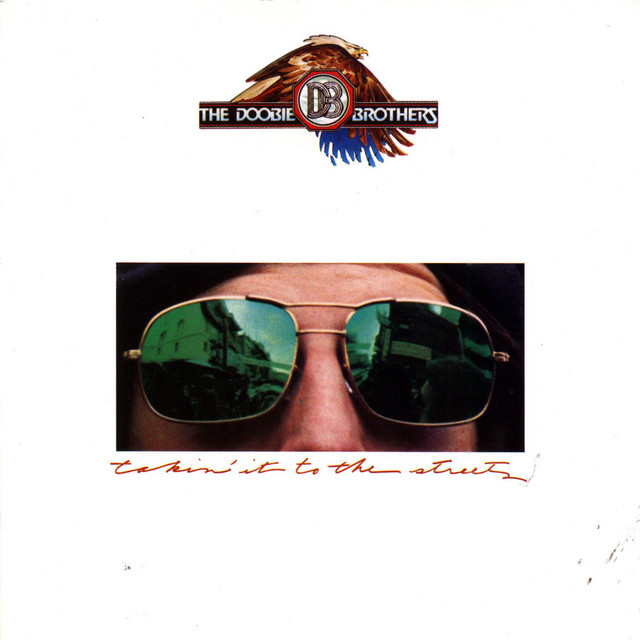
Why 'Takin' It to the Streets' Still Hits
The meaning of Takin' It to the Streets The Doobie Brothers comes down to a simple but powerful idea: people who live with poverty and neglect are tired of being talked at, managed, or promised help. They want to be seen, heard, and met where life is hardest.
"Takin' It to the Streets" - The Doobie Brothers
I was raised here in this living hell
You don't know my kind in your world
Loading lyrics...
Unable to load lyrics
We're unable to display the lyrics at this time. Please try again later.
Released in 1976 as the title track and first single from the band's album of the same name, the song was written by Michael McDonald and became his first major lead-vocal statement with the group. It reached No. 13 on the Billboard Hot 100 and marked a turning point in the Doobie Brothers' sound toward soul and gospel color.
A Street-Level Message, Not a Private Complaint
At its core, the song speaks from the viewpoint of someone on the outside of comfort and power. The opening idea sets that divide quickly with I'm your brother
, but the speaker says the other side still does not truly know him.
That matters because the song is not begging for sympathy. It is confronting distance. When the narrator describes a place like a living hell
, they are pointing to conditions shaped by poverty, exclusion, and social neglect.
Interpretation: the song sounds less like one personal argument and more like a voice for communities that feel invisible in public life.
Watch the official Takin' It to the Streets
music video
Who the Song Is Talking To
The lyrics aim at people who claim they will help but do not understand what they are talking about. The repeated complaint about being told what others will do for me
shows distrust.
The key response is not passive. When the singer says I ain't blind
, they reject polished promises and insist they can already see the truth. In plain terms, the song says: stop speaking over people, and stop acting as if words alone are enough.
This gives the track its tension. It is angry, but controlled. It pushes back without becoming chaotic.
How the Chorus Turns Frustration Into Action
The chorus is why the song endures. The phrase Takin' it to the streets
changes the whole message from private disappointment into public action.
Instead of waiting for institutions, the song imagines taking the issue directly to the people. That can suggest protest, organizing, witness, or simply refusing to hide. The later ideas about no more need for running or hiding make that feeling even clearer.
Interpretation: the hook is not just catchy wording. It is the song's moral center. It says change starts when suffering is no longer kept out of sight.
Where Michael McDonald Came In
This song also matters because of where the band was in 1975 and 1976. Michael McDonald joined when Tom Johnston fell ill, and according to Songfacts, producer Ted Templeman was convinced to feature McDonald more prominently after hearing him sing this song. That made it a key bridge into the Doobies' next era.
Songfacts also notes that part of the lyric idea came from a line in a college essay by McDonald's sister, Maureen: “Take this message to my brother.” McDonald later built the song around conversations about how poor people are often left behind.
Those facts do not solve every lyric, but they do support the song's social focus. It was written with class tension and urban hardship in mind, not as a vague motivational anthem.
Why the Music Feels So Urgent
The arrangement carries as much meaning as the words. McDonald plays piano and sings with a rough, pleading edge. Behind him, the chorus feels communal rather than decorative, which fits his stated wish for a gospel-like sound.
That gospel influence matters. Gospel music often turns private pain into shared testimony, and that is exactly what happens here. The hook sounds like many voices lifting one burden together.
The instrumental details deepen that effect. The Memphis Horns add lift and public grandeur, while organ, handclaps, and a steady rhythm section keep the song rooted and moving. Instead of sounding defeated, the record sounds mobilized.
A Few Strong Images That Hold the Song Together
Several ideas repeat through the lyric:
- Brotherhood across social lines
- Poverty as a shared public wound
- Distrust of empty promises
- The move from silence to visibility
One especially important line points outward: the message should go to a brother
found everywhere people are tied in poverty's despair
. That widens the song beyond one block or one city.
So while the setting feels urban, the meaning is broader. It suggests that hardship repeats anywhere people are pushed aside.
More Than Protest, Less Than a Policy Speech
It is fair to call the song political, but only in a broad sense. It is concerned with class, poverty, and who gets heard. Still, it does not argue for one program or party.
That openness helps explain its long life. Listeners can hear civil-rights energy in it, labor energy in it, anti-poverty anger in it, or simply a demand for dignity. Billboard later praised the song for hitting an elemental theme with soulful urgency, and that is a good short summary of why it still works.
Why It Still Connects
The meaning of Takin' It to the Streets The Doobie Brothers remains powerful because the song understands a familiar problem: leaders often speak about struggling people without truly listening to them. The answer, in this lyric, is visibility, solidarity, and public truth.
What makes it memorable is that the music does not just describe that idea. It performs it. McDonald's voice, the gospel chorus, and the horns all make the song feel like a crowd gathering around one demand.
That is why it still sounds alive. It is not only about anger. It is about bringing hidden pain into the open.
Disclaimer: This interpretation is based on the song's lyrics, recording context, and documented background. As with any song, listeners may hear meanings that differ from the ones discussed here.









