Love Her Madly by The Doors
The meaning of Love Her Madly The Doors comes down to a simple but painful scene: someone keeps leaving, and the person left behind keeps asking the same desperate questions. It sounds catchy and light on first listen, but underneath the groove is a relationship stuck in a loop of longing, ego, and emotional dependence.
"Love Her Madly" - The Doors
Don't ya need her badly?
Don't ya love her ways?
Loading lyrics...
Unable to load lyrics
We're unable to display the lyrics at this time. Please try again later.
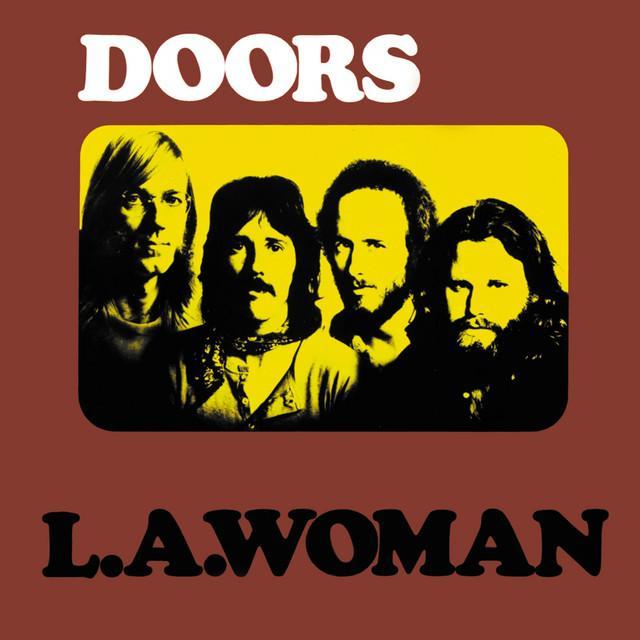
Released in March 1971 as the first single from L.A. Woman, the song became one of the Doors’ final big hits with Jim Morrison, reaching No. 11 on the Billboard Hot 100. It was recorded during the band’s late period, after producer Paul Rothchild exited the sessions and the group finished the album with engineer Bruce Botnick and their own production guidance. Those facts matter because the track’s relaxed feel is part of its message: the heartbreak is real, but it arrives wrapped in an easy, radio-friendly sway.Songfacts Wikipedia
The Song’s Main Emotional Conflict
At the center of the song is a person who cannot let go. The repeated hook, love her madly
, is not just romantic praise. It sounds closer to compulsion. They are not calmly describing love; they are circling around it, almost trying to convince themselves.
That is why the questions matter. Phrases like need her badly
and the image of her walkin' out the door
suggest a bond built on panic as much as affection. The narrator sees the breakup happening in real time, yet still responds with pleading instead of acceptance.
Interpretation: The song is about the moment when love turns into obsession. It captures the gap between knowing a relationship is broken and still wanting it back.

Watch the official Love Her Madly
music video
Where the Story Likely Came From
The best-known backstory points to guitarist Robby Krieger, who wrote the song. According to Songfacts, Krieger said the lyrics were inspired by fights with his girlfriend Lynn Veres, who would leave during arguments and slam the door hard enough to shake the house. That real-life detail gives the song its vivid recurring image of departure.Songfacts
The title also has a clever source. Ray Manzarek said it was drawn from Duke Ellington’s phrase “we love you madly,” giving the song a jazz-age twist even as the story itself stays grounded in domestic conflict.Wikipedia
This mix of personal drama and stylish phrasing helps explain why the song feels both specific and universal. Anyone can recognize the scene, even if the language has a slightly theatrical Doors flavor.
How the Lyrics Build a Cycle
Most of the lyric is built from repetition. That is important because repetition mirrors emotional stuckness. The narrator does not move forward; they keep returning to the same thoughts.
A quick way to see the lyric’s timeline:
- They ask if the woman is still loved and needed.
- They watch her leave again.
- They realize
all your love is gone
. - They retreat into lonely, dreamlike language.
That final turn is what gives the song depth. After the plainspoken lines about wanting her, the writing suddenly shifts into imagery like deep blue dream
and seven horses
. According to Krieger, Morrison liked adding lines that made listeners pause, and the horse image had the feel of a lucky omen.Songfacts
All your love is gone
So sing a lonely song
Those two short lines deliver the emotional bottom line. Once the relationship is already empty, all that remains is performance, memory, and sadness.
What the Strange Imagery Might Mean
The surreal lines are brief, but they matter. They interrupt the plain breakup narrative with color and motion. Blue suggests sadness, distance, or dream states. Horses can imply luck, speed, fate, or forces bigger than the speaker.
Interpretation: This section may show the mind drifting after emotional shock. Instead of arguing facts, the narrator slips into symbols. That shift feels true to heartbreak: when someone leaves for what feels like the thousandth time, the mind often stops making clean sense.
Another reading is that the song contrasts ordinary relationship trouble with Morrison-era mythmaking. A slammed door becomes a dramatic scene; a bad fight becomes prophecy. That tension between everyday life and poetic mystery is a classic Doors move.
Why the Sound Feels So Different From the Pain
Musically, “Love Her Madly” is warmer and smoother than many darker Doors songs. Jerry Scheff played bass on the track, while Manzarek added Vox Continental organ and tack piano, creating a springy, rolling texture instead of something heavy or tragic.Wikipedia
That arrangement changes the meaning. The groove almost shrugs while the lyric aches. Morrison’s vocal is especially telling. Krieger said the song let him show an “inner crooner,” and that smoother delivery keeps the desperation from becoming melodrama.Songfacts
In other words, the band does not scream the heartbreak. They let it sway. That choice makes the pain feel lived-in, like a fight this couple has had many times before.
Why the Song Still Connects
Part of the reason the track endures is its balance. It is accessible enough to sound like a simple hit single, but uneasy enough to reward closer listening. It also arrived at a key moment: L.A. Woman was the final Doors album released during Morrison’s lifetime, and the song sits at the crossroads of radio polish and late-career tension.Wikipedia
So, the meaning of Love Her Madly The Doors is not just “he loves her.” It is about loving someone in a way that feels unstable, repetitive, and hard to escape. The song captures the small drama of someone leaving the room and turns it into a portrait of emotional dependence.
That is what gives it staying power. Beneath the bright hook is a person who knows the pattern, sees the door opening again, and still cannot stop asking for love.
Disclaimer: This interpretation blends documented background with critical reading of the lyrics and performance. As with most songs, some meanings remain open to the listener.








