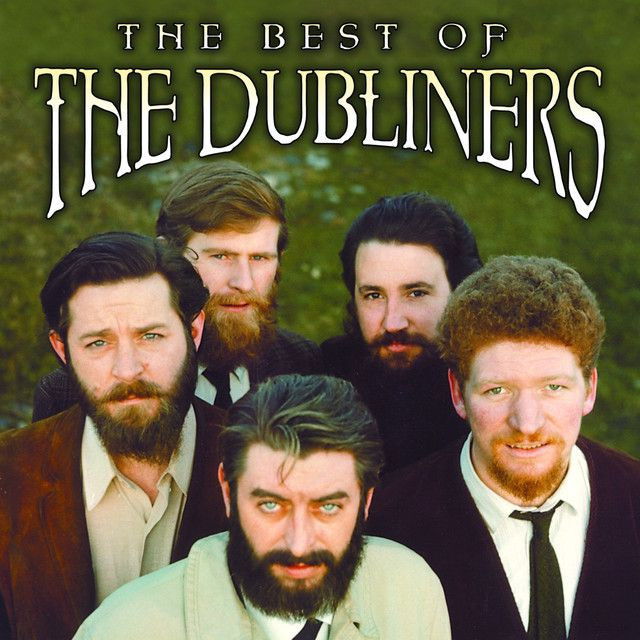
Whiskey In The Jar by The Dubliners
A swaggering robbery, a lover’s betrayal, and a chorus everyone knows—few folk songs travel like this one. For listeners in the U.S. curious about the meaning of Whiskey In The Jar The Dubliners helped popularize, the key lies in how a bleak outlaw tale turns into a communal celebration.
"Whiskey In The Jar" - The Dubliners
I met with captain Farrell and his money he was counting
I first produced my pistol and I then produced my rapier
Loading lyrics...
Unable to load lyrics
We're unable to display the lyrics at this time. Please try again later.
A Highwayman’s Ballad with a Twist
The song is a traditional Irish ballad (Roud 533) with roots in 17th–19th century street songs. The Dubliners’ 1960s recording turned it into their signature number, bringing a centuries-old narrative to modern audiences. The core plot is simple: a highwayman robs an officer, hides the loot, and is double-crossed by his lover.
Interpretation: The twist isn’t just the betrayal—it’s the mood. A grim story is carried on a cheerful tune, making the audience complicit. They clap, sing, and laugh at lines that describe a life falling apart. That tension is the song’s secret engine.

Watch the official Whiskey In The Jar
music video
Who Tells the Tale, and Why It Matters
The narrator speaks in the first person, setting the scene on the far famed Kerry mountains
. He brags through the hold-up—Stand and deliver
—and enjoys the thrill of outlaw fortune. The voice is confident, even cocky.
Interpretation: Their pride makes the downfall feel inevitable. This is a character who gambles on charm and speed, not long-term plans. Hearing the story in their own words draws listeners into the rush, then the hangover.
What Actually Happens, Step by Step
- The highwayman robs a military official and brings the money home.
- He trusts his lover, falls asleep dreaming of gold.
- She sabotages his pistol—
filled them up with water
—and removes his sword. - At dawn, the law arrives—
up comes a band of footmen
—and he’s taken prisoner. - He longs for help from his brother and for freedom to roam again.
Interpretation: The plot reads like a cautionary tale about misjudged trust and the cost of quick victories.
The Chorus as Community Release
The famous refrain—There's whiskey in the jar
—does several jobs at once. It signals bravado and suggests that, whatever happens, there’s a drink to steady the hand. It also turns the tale into a group ritual. In pubs, people shout the nonsense syllables and the line about whiskey, turning private shame into shared fun.
Interpretation: The chorus reframes the verses. Instead of tragedy alone, it becomes a rolling toast to risk, luck, and living with consequences.
Symbols that Carry the Weight
- Weapons: The pistol and rapier symbolize status and control. When they fail, so does the persona.
- Water: Soaked gunpowder is more than a trick; it’s the cold reality that courage can’t fire when trust is broken.
- Mountains and roads: Movement promises freedom—but also exposure. The hero’s landscape is beautiful and unsafe.
- Whiskey: A comfort, a currency of courage, and a social bond. It’s both cure and cause, an Irish folk symbol of resilience and excess.
Interpretation: These images stitch outlaw romance to everyday life choices—who to trust, what to risk, how to numb the fallout.
How The Dubliners Make It Feel Inevitable
The Dubliners’ arrangement is earthy and driving: tenor banjo leads, fiddle answers, tin whistle darts around the melody, and the rhythm stomps forward. Ronnie Drew’s gravelly delivery turns the verses into tavern storytelling, while the ensemble shouts the chorus like a friendly dare.
Their 1967 album cut (and 1968 single) frames the song in tight, bright acoustics. Producer Tommy Scott keeps it brisk, underlining the punchline feel: big chorus now, trouble later. The tempo moves like a jig without being one, balancing rowdy energy with ballad clarity.
Interpretation: The sound says fate is coming, but let’s sing first.
Other Versions, Same Restless Spirit
Because it’s traditional, the song adapts. Thin Lizzy electrified it in 1973 and scored major chart success. The Dubliners teamed with The Pogues in 1990 for a faster, rougher take that reached the UK charts. Metallica’s 1998 version, inspired by Thin Lizzy, won a Grammy in 2000 and pushed the tune into heavy rock.
Interpretation: Each version emphasizes a different lens—folk grit, rock swagger, or metal catharsis—but the heart remains a folk morality play wrapped in a party chorus.
Why It Still Resonates in the U.S.
American listeners hear something familiar: the outlaw myth, the frontier road, the barroom singalong. The meaning of Whiskey In The Jar The Dubliners made famous lands as both caution and comfort. It’s a story about the cost of quick glory—and the human urge to laugh and lift a glass anyway.
Takeaway: A Toast to Risk and Regret
This ballad endures because it holds two truths at once. The verses warn about pride, bad bets, and brittle trust. The chorus invites everyone to sing, because surviving the fallout is easier together.
Interpretation note: Lyrics vary by version, and meanings can shift with performance, place, and listener.









