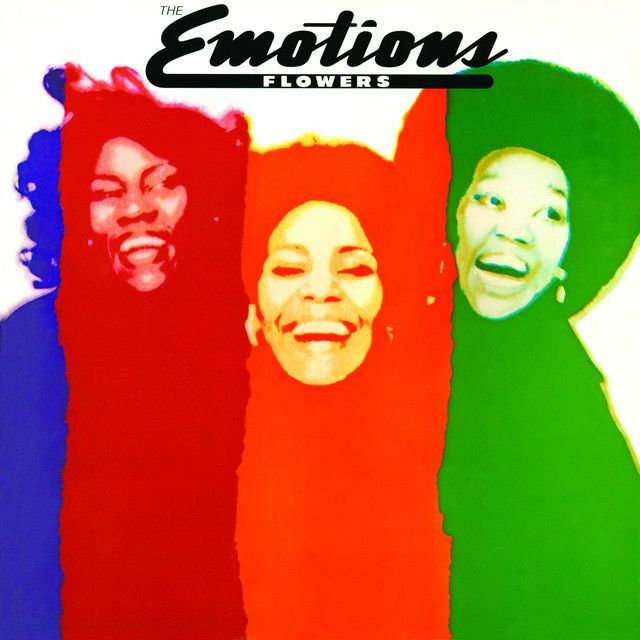
Why "I Don't Wanna Lose Your Love" Still Hurts
A love song built on fear, not fantasy
The meaning of I Don't Wanna Lose Your Love The Emotions centers on romantic insecurity. This is not a carefree love anthem. It is a song about a woman trying to hold a relationship together while sensing that something has changed.
"I Don't Wanna Lose Your Love" - The Emotions
And the wine is chilled
My baby's coming over
Loading lyrics...
Unable to load lyrics
We're unable to display the lyrics at this time. Please try again later.
From the first scene, the singer prepares for a visit and tries to act calm, but the mood is shaky underneath. The home setting suggests intimacy and routine, yet the emotion is worry, not comfort. When they repeat I don't wanna lose your love
, the line works less like a dramatic threat and more like an honest confession: they are afraid the bond is slipping away.
That emotional plainness is part of why the song lasts. The Emotions were known for soaring harmonies and uplifting soul, especially around the period before and after Rejoice and the massive crossover success of Best of My Love, which followed this single in their release chronology. That timeline is noted in widely used discography sources such as Wikipedia's overview of the later hit. In that context, this song feels like an important bridge between deep soul vulnerability and the brighter, more polished sound they soon brought to pop radio.

Watch the official I Don't Wanna Lose Your Love
music video
The real drama: uncertainty inside a relationship
They are not begging for romance
A key strength of the lyric is that the relationship already exists. The issue is not how to start love, but how to keep it from fading. Questions like Do I fit in
and Do you feel
show a mind searching for reassurance.
The singer notices distance in everyday behavior. She wonders whether he still wants to see her when he comes home. She also pushes back against emotional neglect, warning him not to take devotion for granted. That adds dignity to the song. They are vulnerable, but they are not passive.
The chorus turns fear into a plea
The chorus is simple, but its repetition matters. Every return to lose your love
sounds like a fresh wave of panic. Rather than offering new plot details, the hook deepens the feeling.
Interpretation: the repetition mirrors anxious thinking. When someone feels a breakup coming, the mind circles the same fear again and again. The song captures that mental loop without needing complicated language.
A short story told through domestic details
The opening images matter because they frame love as something lived, not imagined. Dinner is prepared, wine is chilled, and a visit is expected. Those details tell listeners that care is being shown through action. The singer is trying to create warmth before a difficult emotional conversation.
That setup makes the later doubts sting more. The issue is not lack of effort. It is the painful possibility that effort may no longer be enough.
Don't take my love for granted
And then turn around and regret it
This is the song's clearest warning. Paraphrased, the singer says that love should be valued now, not missed later. It turns the track from pure pleading into self-respect. Even in fear, they know their love has worth.
How the vocals shape the song's meaning
The Emotions were a family vocal group from Chicago, celebrated for tight harmonies and a church-rooted intensity that carried into soul and R&B. That gospel background is central to the emotional effect of this recording, even when the lyrics stay conversational.
Their lead and backing vocals do different jobs at once. The lead sounds intimate and exposed, while the group responses give the feeling of feelings spilling over. The background parts do not just decorate the melody; they make the fear feel communal, as if private doubt has become too strong to contain.
Interpretation: that contrast between lead vulnerability and group support suggests inner conflict. One part of the singer is trying to stay composed, while another part is already overwhelmed.
Why the arrangement sounds warm while the lyric feels shaky
Musically, the song wraps worry in softness. The groove is smooth, danceable, and rooted in mid-1970s soul, but the emotional content is unsettled. That tension is important. If the arrangement were harsh, the lyric might sound accusatory. Instead, the warm instrumentation keeps the plea human and openhearted.
Listeners hear a romantic texture, but the words point to doubt. Lines like things ain't the way
and you never call
suggest emotional drift. The production makes those lines easier to absorb, which may be why the song remains so replayable. It lets heartbreak move with grace.
This balance also fits the group's broader era. By the late 1970s, The Emotions were moving within a space where soul, funk, disco, and gospel feeling often met. Sources about their breakthrough period note that blend clearly in the group's later work. Even without overloading the track, this song already shows that mix: rhythmic polish on the surface, emotional ache underneath.
Two strong readings of the song
Reading one: a plea for reassurance
The most direct reading is that the singer senses distance and wants honesty. She is asking whether the relationship still has a place for her. In this version, the song is about fearing abandonment before it is officially spoken.
Reading two: a warning wrapped in tenderness
There is also a firmer side. The singer says, in effect, that if she is pushed away, she can leave, but he will carry the regret. That gives the song backbone. It is not only about need; it is also about value.
Why the song still connects today
Part of the meaning of I Don't Wanna Lose Your Love The Emotions is its realism. Many love songs celebrate certainty. This one lives in the harder middle space, where love is present but trust is fading.
That makes it relatable across decades. People still know the feeling of setting the table, reading the room, and wondering whether affection is being returned. The Emotions turn that everyday fear into something elegant and memorable.
The lasting takeaway
At its heart, this is a song about loving someone enough to speak fear out loud. It shows how devotion can include doubt, pride, and pain all at once.
The article's reading is an interpretation based on the lyrics, performance, and available historical context. Different listeners may hear the song's emotions in different ways.








